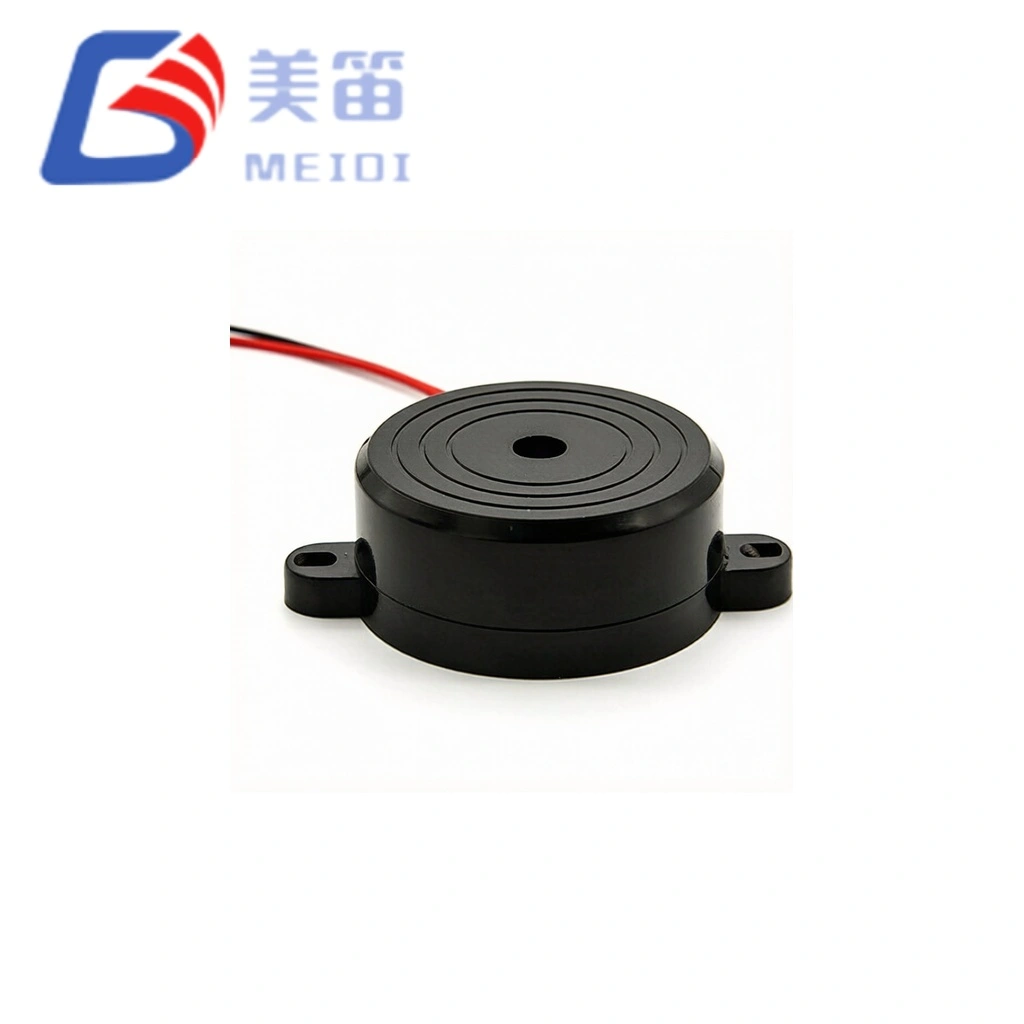
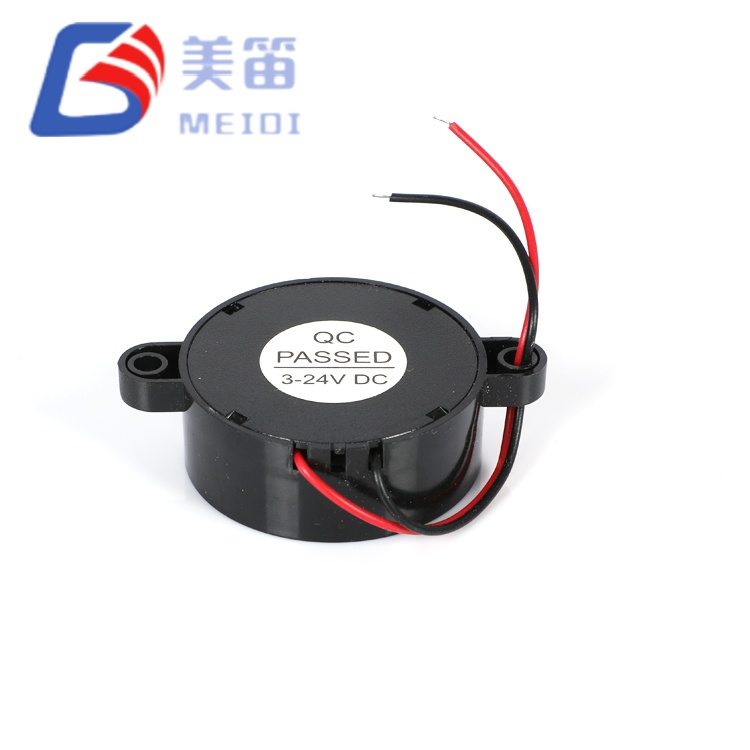
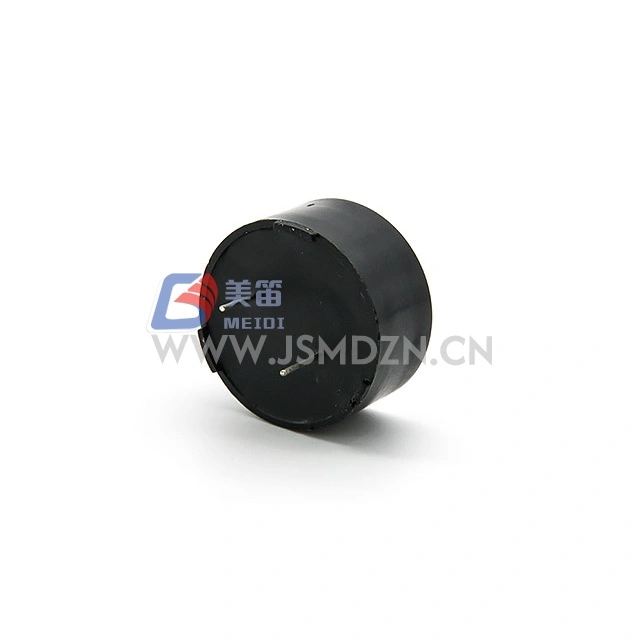
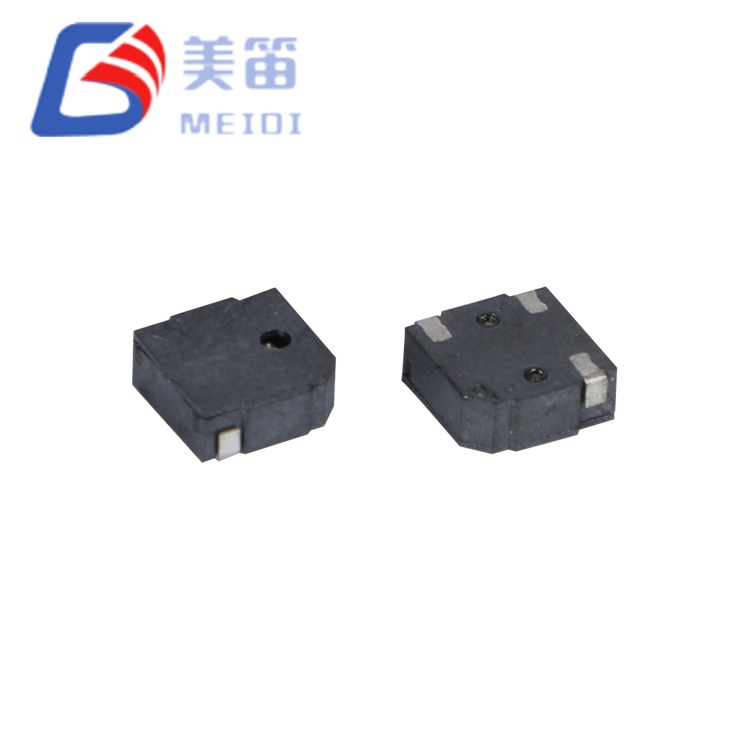
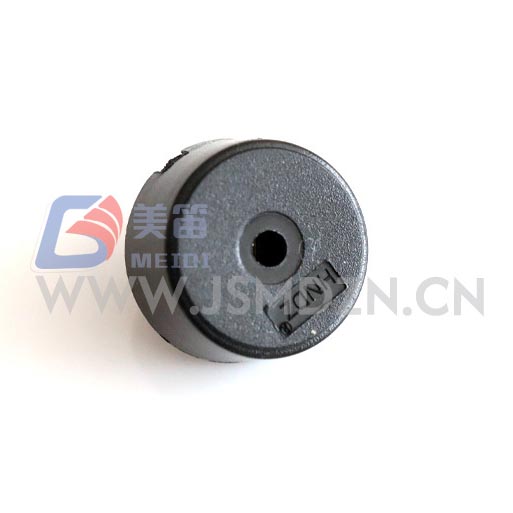
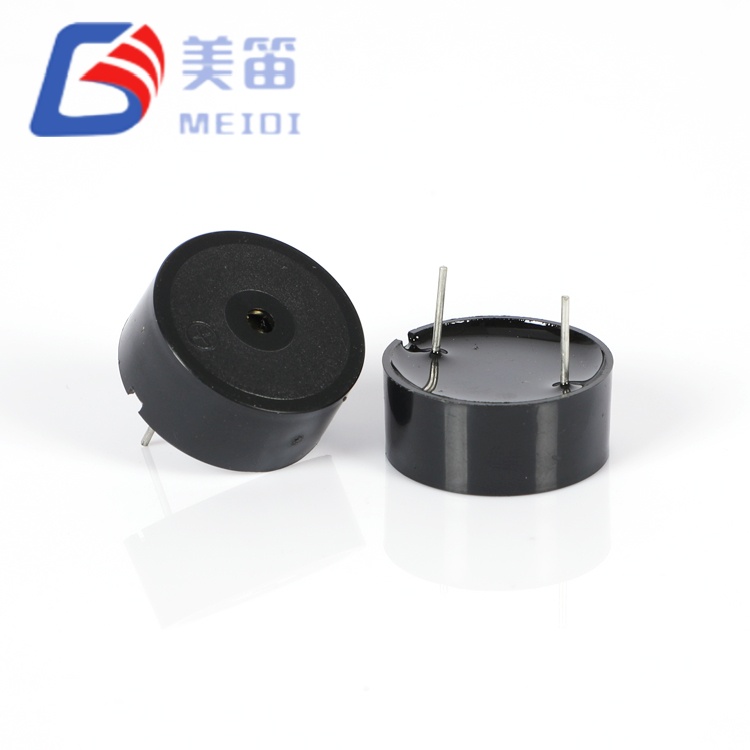
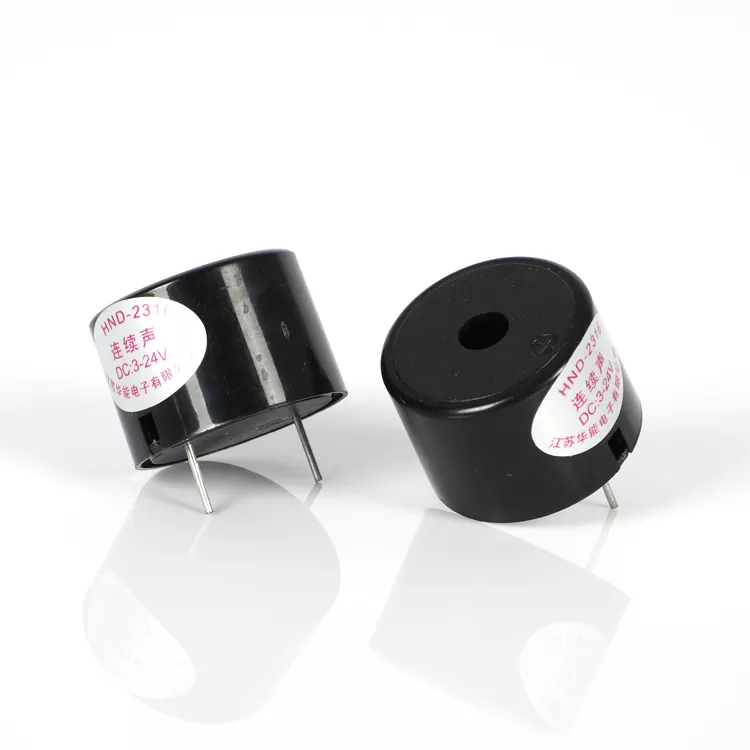
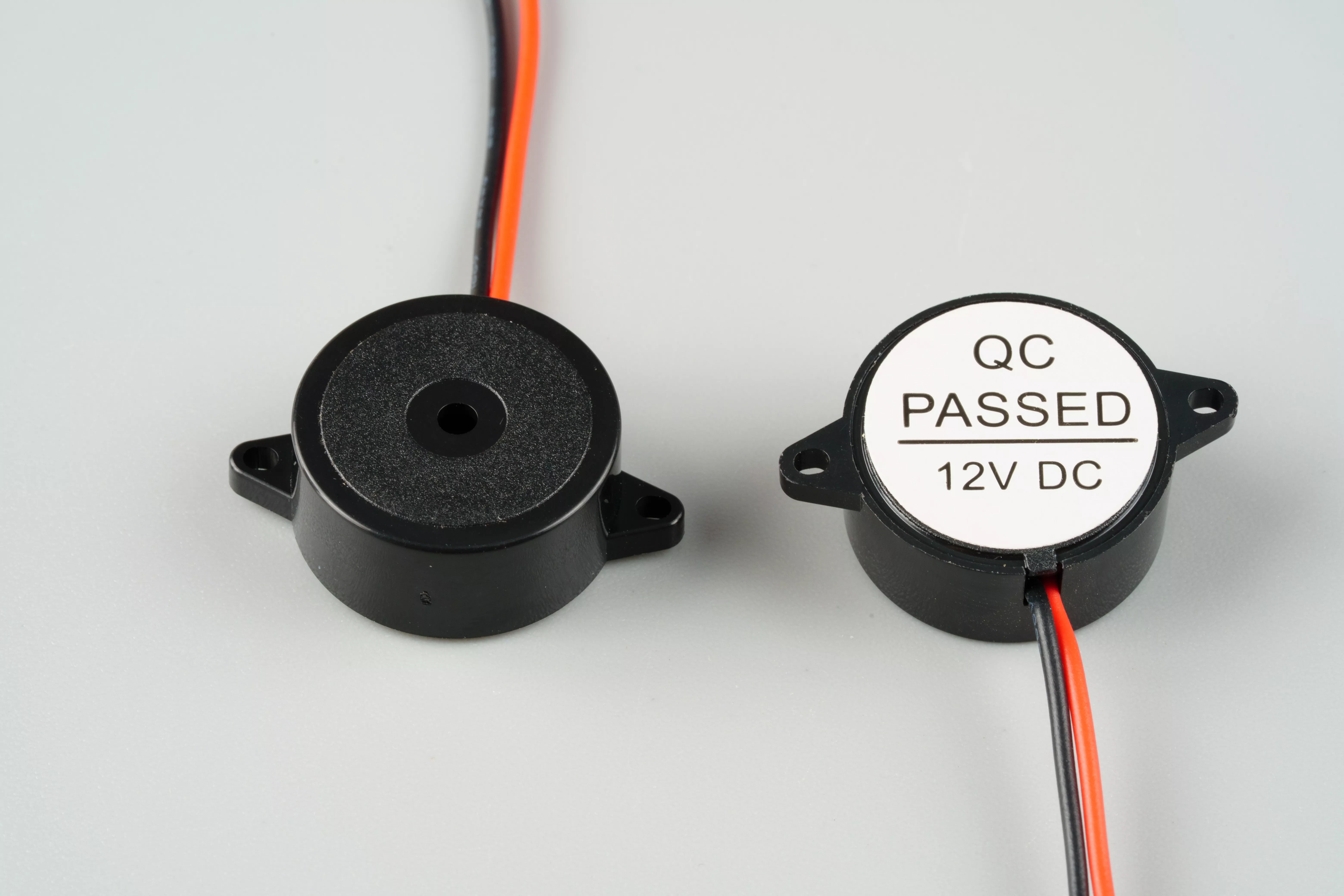
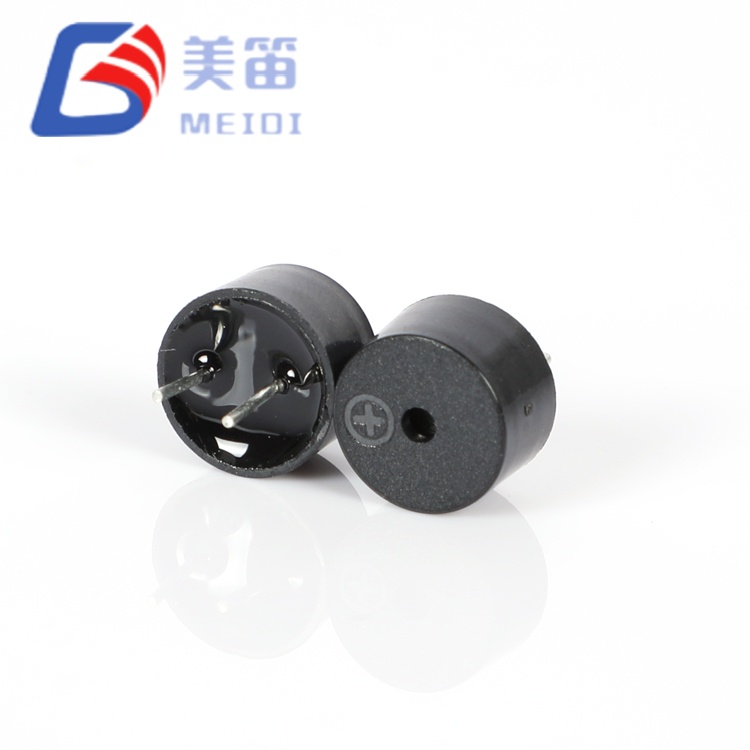
A Magnetic Active Buzzer is a compact electronic sound component widely used in alarms, control systems, consumer electronics, automotive devices, medical equipment, and industrial applications. By integrating an internal oscillation circuit with an electromagnetic sound-generating structure, it can produce a stable audio signal simply when DC voltage is applied. This eliminates the need for complicated external driving circuits and helps engineers create reliable alert systems with fewer components.
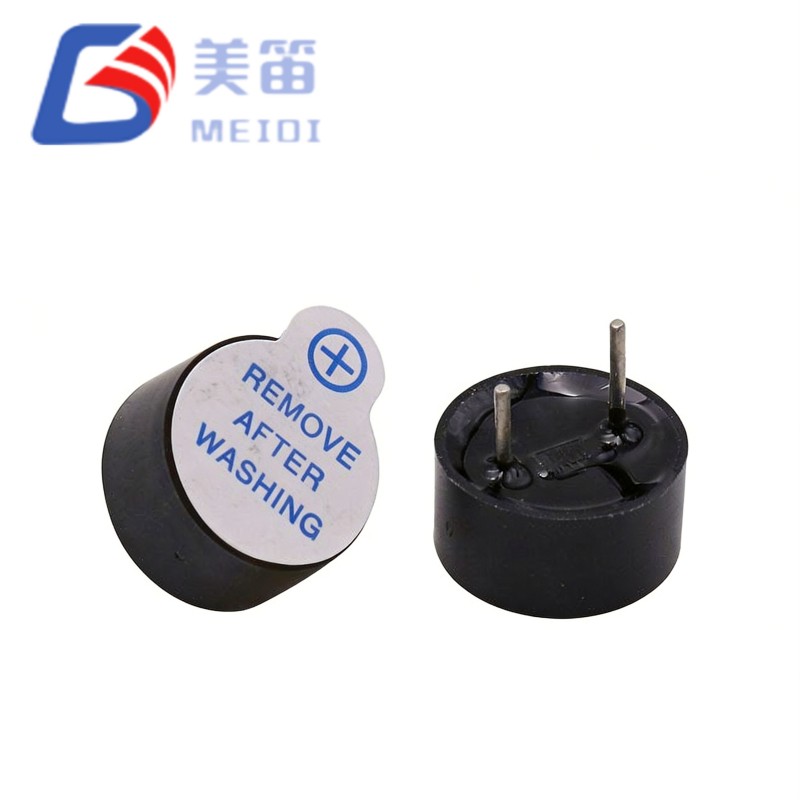
This article explains how a Magnetic Active Buzzer works, its internal structure, key advantages, application fields, selection considerations, and common purchasing concerns. It also introduces how MEIDI provides reliable buzzer solutions for customers requiring stable performance, customization, and large-scale production support.
A Magnetic Active Buzzer is an electromagnetic audio component that generates sound through magnetic vibration. Unlike passive buzzers that require an external frequency signal, an active buzzer contains a built-in oscillator circuit. Once the correct DC voltage is supplied, the buzzer can immediately create a continuous tone without additional control components.
This design makes Magnetic Active Buzzers highly suitable for applications where simplicity, reliability, and quick response are required. Engineers can directly connect the buzzer to a power supply or control circuit, reducing PCB complexity and improving product efficiency.
MEIDI develops and manufactures electromagnetic buzzer products designed for different voltage requirements, installation methods, and application environments. The company provides customized solutions to meet different customer requirements, including electrical performance, acoustic output, and mechanical design.
The operating principle of a Magnetic Active Buzzer is based on electromagnetic conversion. When DC power is applied, the internal oscillator generates an electrical pulse signal. This signal passes through the electromagnetic coil and creates a changing magnetic field.
The magnetic field interacts with the permanent magnet and metal diaphragm inside the buzzer. The diaphragm repeatedly moves back and forth according to the electromagnetic force, producing mechanical vibration. These vibrations create pressure changes in the surrounding air, resulting in an audible sound.
| Working Stage | Description |
|---|---|
| Power Input | DC voltage is supplied to the buzzer terminals. |
| Signal Generation | The internal oscillator creates periodic electrical pulses. |
| Magnetic Conversion | The coil generates a changing magnetic field. |
| Mechanical Vibration | The diaphragm moves due to electromagnetic force. |
| Sound Output | The vibration produces an audible alarm tone. |
Because the oscillator is already integrated inside the component, designers do not need to create additional frequency-generating circuits. This feature significantly simplifies electronic product development.
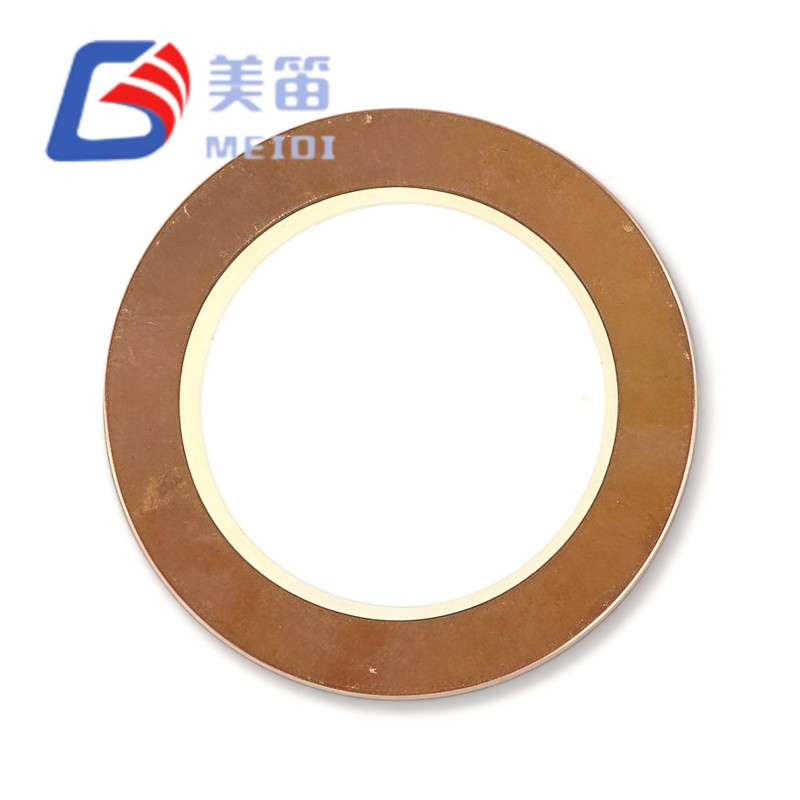
Understanding the internal structure helps engineers select the right buzzer according to performance requirements. A typical Magnetic Active Buzzer consists of several important parts.
Each component affects sound pressure level, frequency stability, power consumption, and product lifetime. Therefore, manufacturers must carefully control material selection and production accuracy.
Magnetic Active Buzzers are popular because they offer a balanced combination of performance, convenience, and cost efficiency.
| Advantage | Benefit |
|---|---|
| Built-in Oscillator | No external drive circuit is required, reducing design complexity. |
| Easy Installation | Simple DC connection allows fast integration into electronic systems. |
| Stable Sound Output | Provides consistent frequency and reliable alert performance. |
| Compact Size | Suitable for products with limited installation space. |
| Low Power Consumption | Supports energy-efficient electronic designs. |
| Wide Application Range | Works in industrial, automotive, medical, and consumer products. |
For manufacturers developing electronic equipment, these advantages help reduce development time while maintaining dependable product performance.
Magnetic Active Buzzers are used in many industries where clear and immediate sound notification is necessary.
The compact structure and reliable sound generation make Magnetic Active Buzzers an important component in modern electronic designs.
Selecting the correct buzzer requires consideration of electrical, acoustic, and mechanical requirements.
| Selection Factor | Important Consideration |
|---|---|
| Rated Voltage | Match the buzzer voltage with the device power supply. |
| Sound Pressure Level | Select output volume according to the application environment. |
| Frequency | Choose a frequency suitable for recognition and warning purposes. |
| Size | Ensure the buzzer fits the available installation space. |
| Mounting Method | Consider through-hole, wire, or surface mounting requirements. |
| Operating Environment | Evaluate temperature, humidity, and durability requirements. |
Incorrect selection may cause insufficient sound output, unstable operation, or compatibility issues. Working with an experienced manufacturer can help avoid these problems.
| Feature | Magnetic Active Buzzer | Magnetic Passive Buzzer |
|---|---|---|
| Drive Circuit | Built-in oscillator | Requires external frequency signal |
| Control Method | Simple DC power connection | Requires MCU or signal generator |
| Design Complexity | Lower | Higher |
| Tone Adjustment | Limited fixed tone | More flexible |
| Common Applications | Simple alarms and indicators | Devices requiring customized sound patterns |
The best choice depends on product requirements. If a stable and simple alarm tone is needed, a Magnetic Active Buzzer is usually the preferred solution.
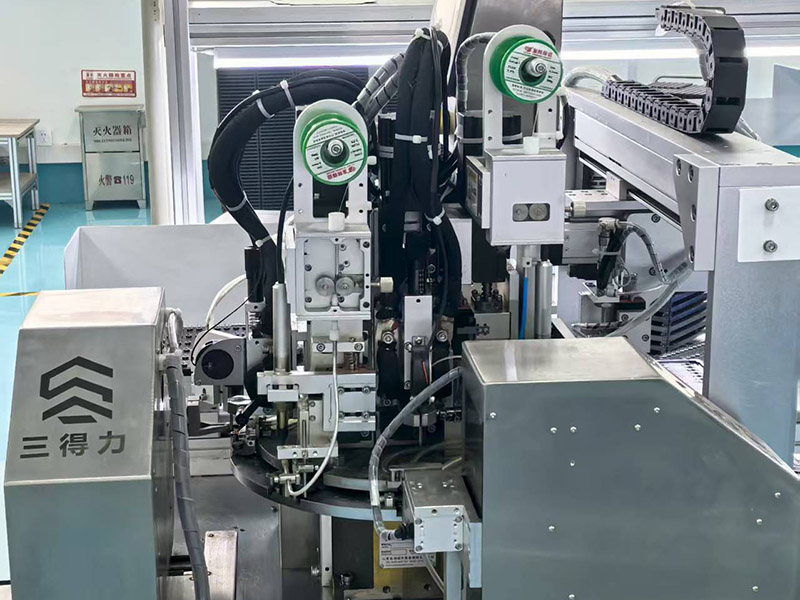
MEIDI focuses on the research, development, and manufacturing of electromagnetic buzzers and other electroacoustic components. The company provides professional production capabilities and customized services for customers worldwide.
With experience in industrial, automotive, medical, and consumer electronic applications, MEIDI supports customers with product selection, technical communication, OEM customization, and stable supply solutions.
Choosing the right supplier is important because buzzer performance directly affects user experience and product reliability. MEIDI works closely with customers to provide suitable Magnetic Active Buzzer solutions for different industries.
Magnetic Active Buzzers are available in different voltage versions, including common options such as 3V, 5V, 12V, and other customized requirements. The correct voltage should match the application power system.
No. Because it includes an internal oscillator circuit, it can generate sound directly after receiving suitable DC power.
They are widely used in industrial equipment, automobiles, household appliances, medical devices, security systems, and consumer electronics.
Yes. MEIDI provides customized buzzer solutions based on customer requirements, including size, voltage, sound characteristics, and installation methods.
Selecting the correct voltage, ensuring proper PCB installation, protecting the sound opening, and choosing a reliable manufacturer are important steps for improving product reliability.
A Magnetic Active Buzzer is a practical and efficient sound solution for electronic devices requiring reliable alerts. Its integrated oscillator, simple operation, compact structure, and stable performance make it suitable for a wide range of applications.
For companies looking for dependable buzzer components, MEIDI provides professional manufacturing support and customized Magnetic Active Buzzer solutions. If you need technical assistance, product recommendations, or bulk purchasing support, please contact us for a suitable solution.