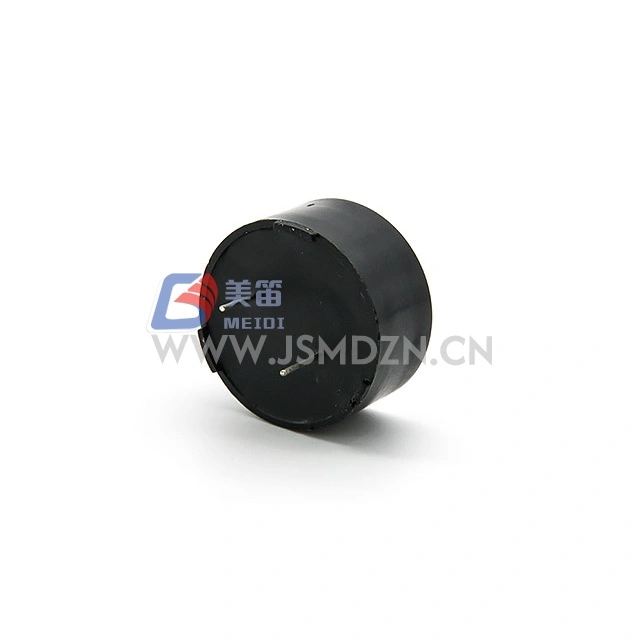
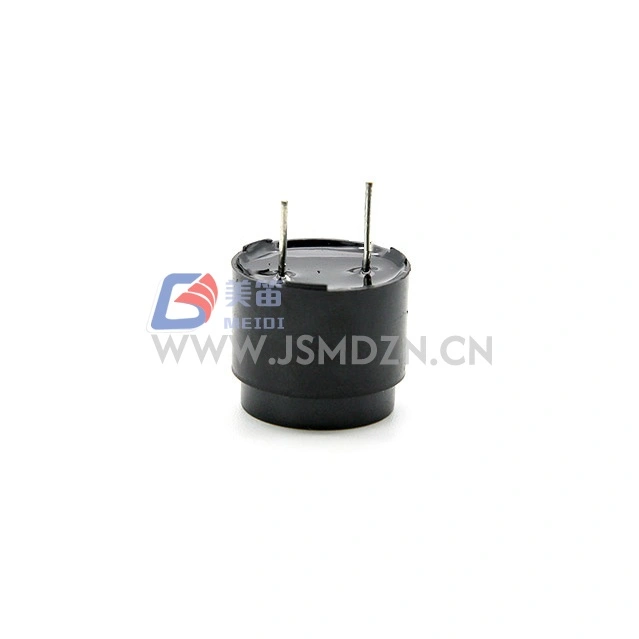
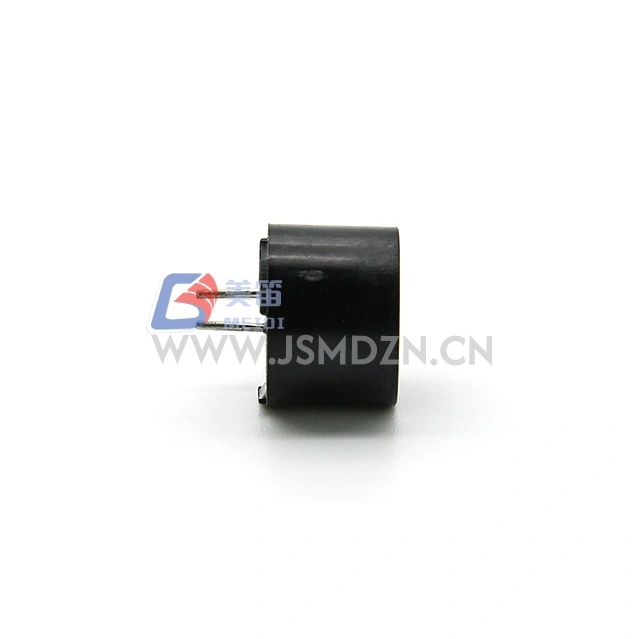
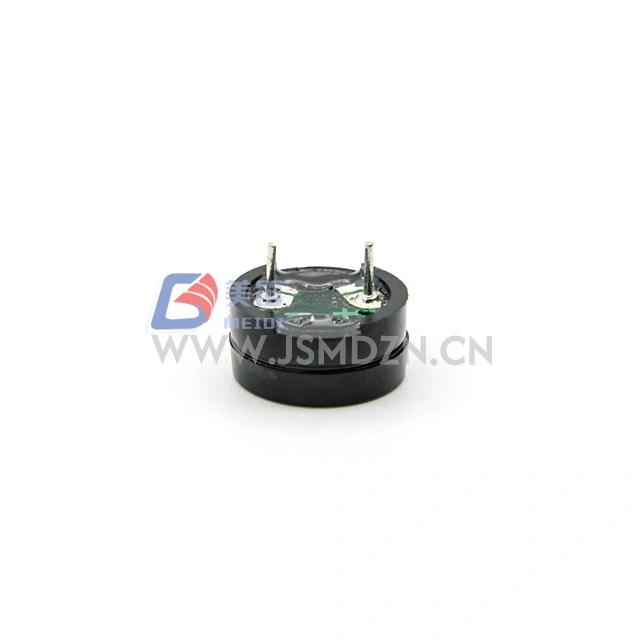
The engineering team behind MEIDI's electromagnetic buzzers has been designing and refining magnetic acoustic components since the company's early years. Rather than treating these as commodity parts, the development group maintains a dedicated electromagnetic lab where coil winding tension, diaphragm annealing profiles, and magnetic gap tolerances are studied and optimized. This ongoing work feeds directly into the production line, helping to reduce unit‑to‑unit variation and keep performance within a narrow band even at high volumes.
Electromagnetic buzzers work by channelling current through a precision‑wound coil placed near a permanent magnet and a thin ferromagnetic diaphragm. Each current pulse creates a magnetic pull that flexes the diaphragm; when the pulse stops, the diaphragm rebounds. This cycle repeats at the resonant frequency of the mechanical system, producing a tone that is typically lower in pitch and fuller in character than what a similarly sized piezoelectric element would generate. The coil impedance, diaphragm thickness, and cavity volume are carefully balanced during design to deliver a consistent sound pressure level while keeping current draw within the limits of common power rails.
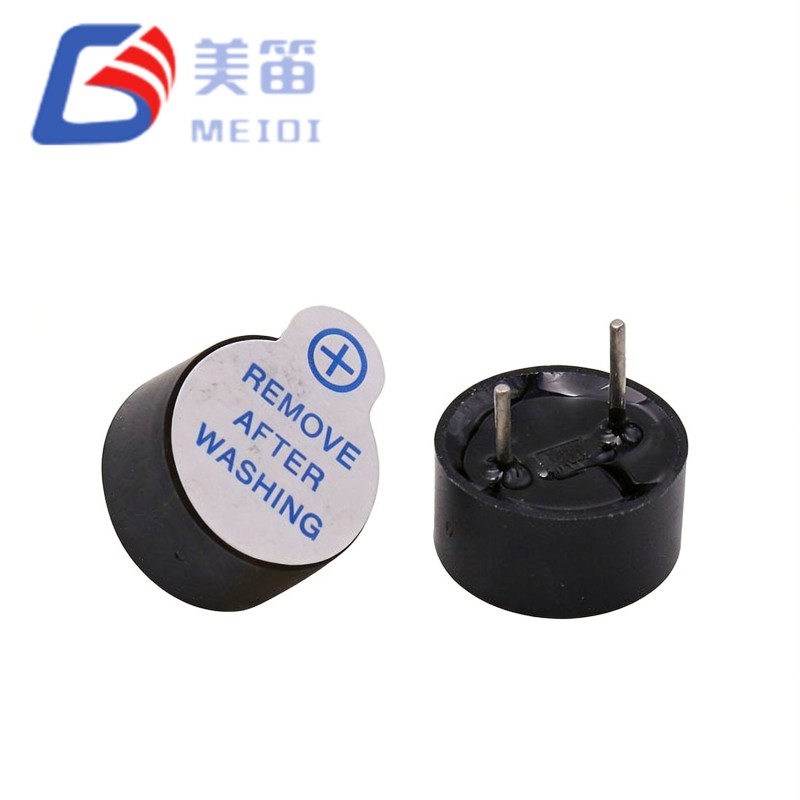
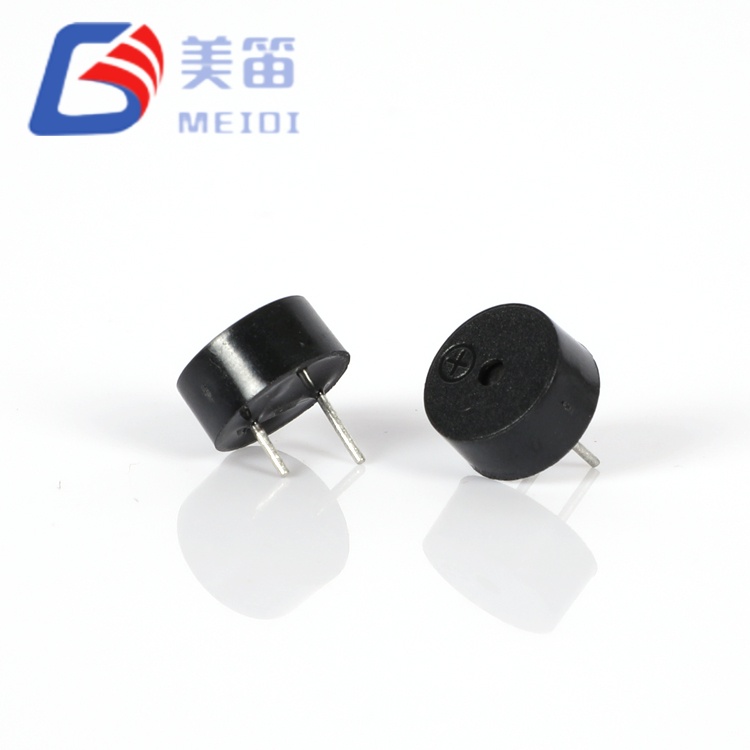
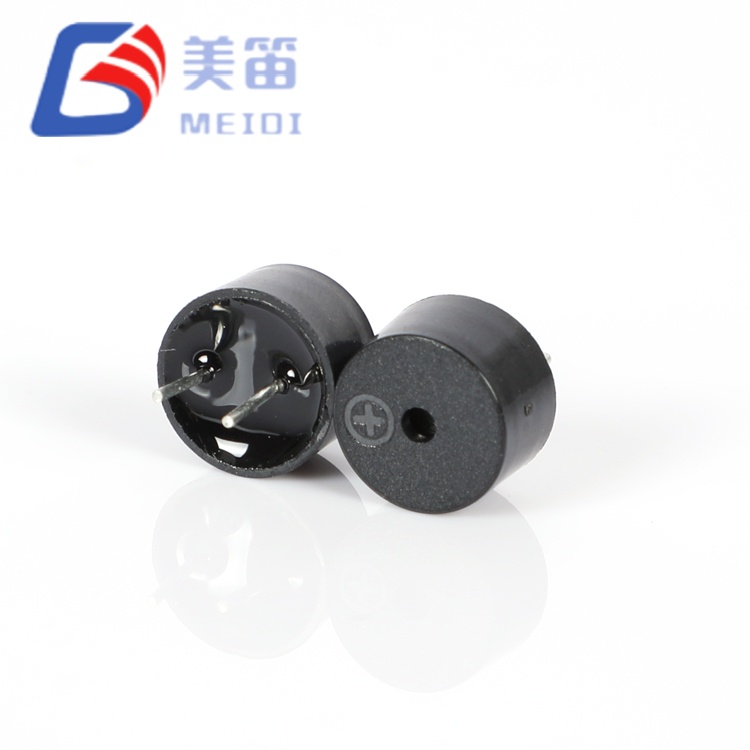
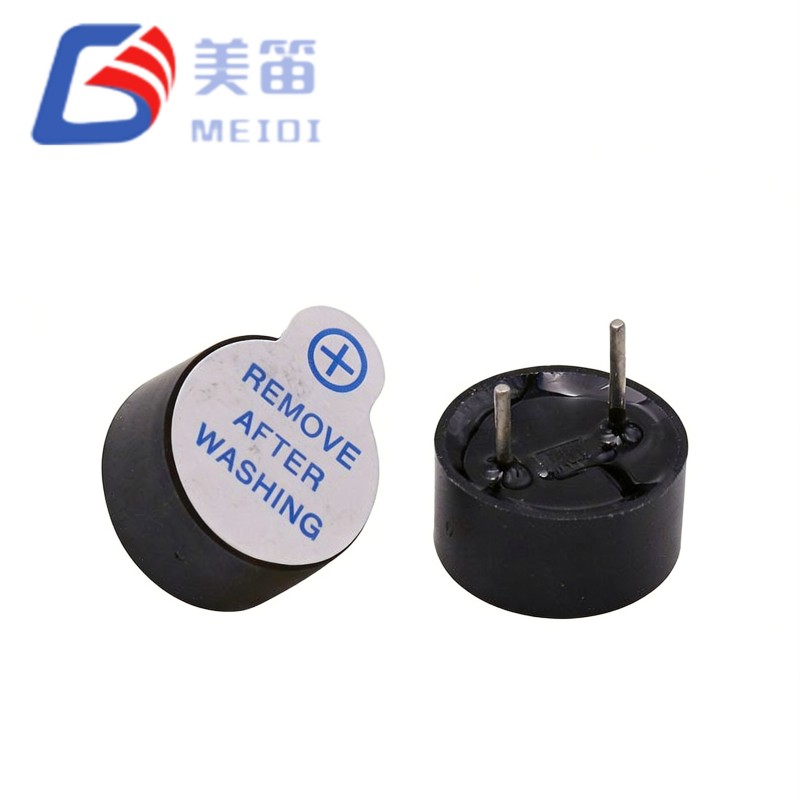
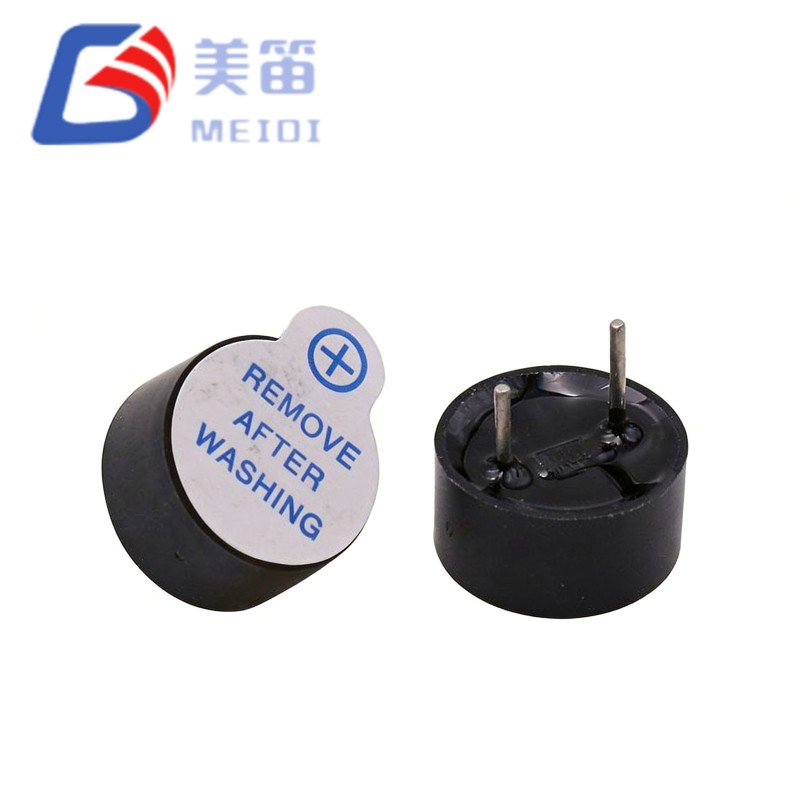
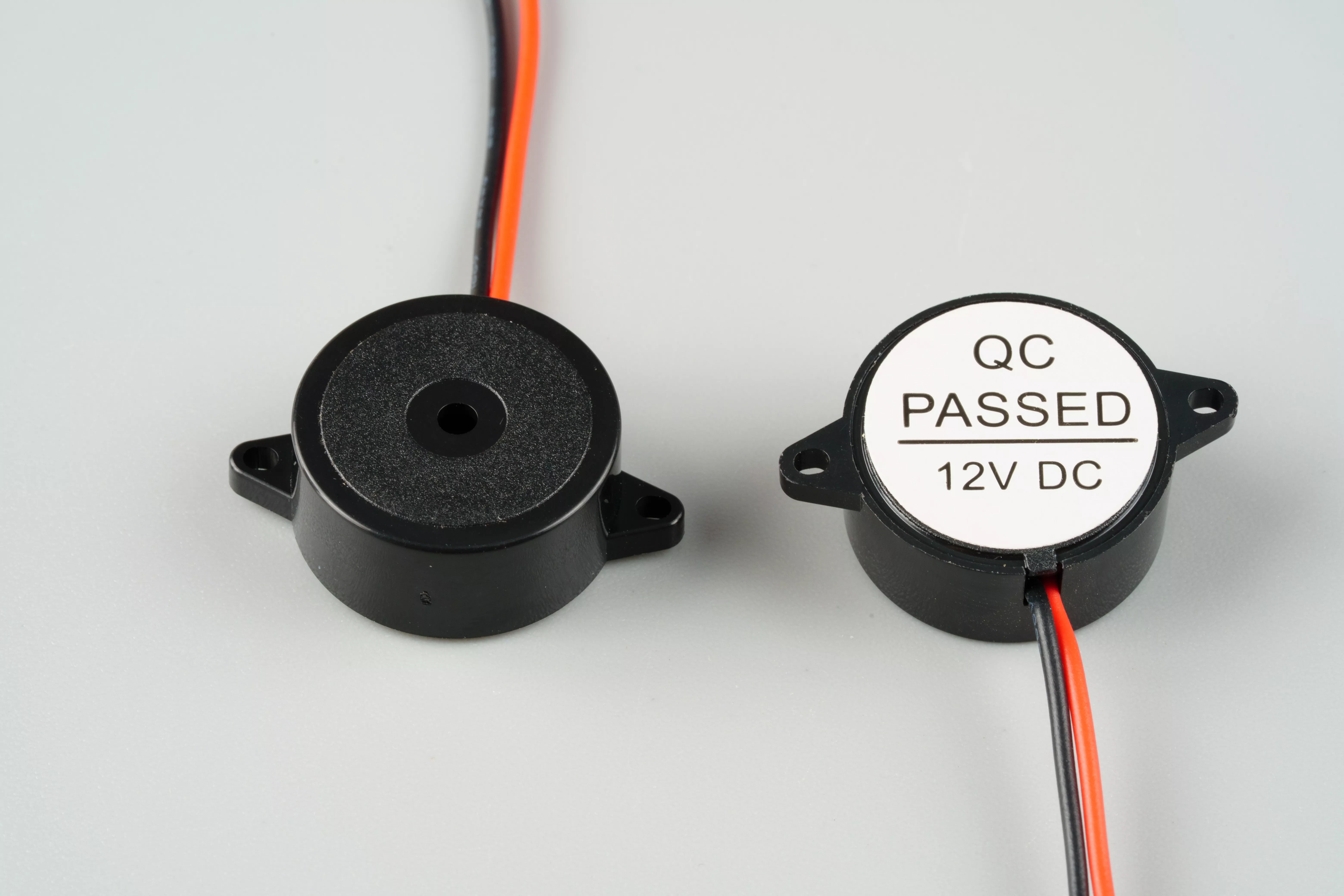
A magnetic active buzzer integrates an oscillator chip directly onto the coil assembly. Applying a DC voltage between 1.5 V and 24 V is all that is needed to emit a steady tone, which makes these parts especially common in household appliances and security panels where simplicity is valued. A magnetic passive buzzer omits the oscillator, so the user must supply a square wave or PWM signal at the correct frequency. This approach gives full control over tone and volume, and it is often preferred in designs that already have a microcontroller generating audio signals. Equivalent surface‑mount versions, such as SMD magnetic active buzzer and SMD magnetic passive buzzer models, carry the same acoustic characteristics into reflow‑compatible packages for automated assembly.
When selecting an electromagnetic buzzer, the rated voltage and coil impedance determine how much current the driver stage must source. Lower‑impedance coils yield higher sound output but draw more power, so battery‑operated designs may prefer a higher‑impedance variant even if the sound level is slightly reduced. The resonant frequency is mechanically fixed, typically in the 200 Hz to 3 kHz window, and the enclosure acoustics can boost or attenuate certain harmonics. In designs that also use piezoelectric buzzers or buzzer elements for different tones, the electromagnetic unit often handles the lower‑frequency alerts while the piezoelectric element covers the higher bands.
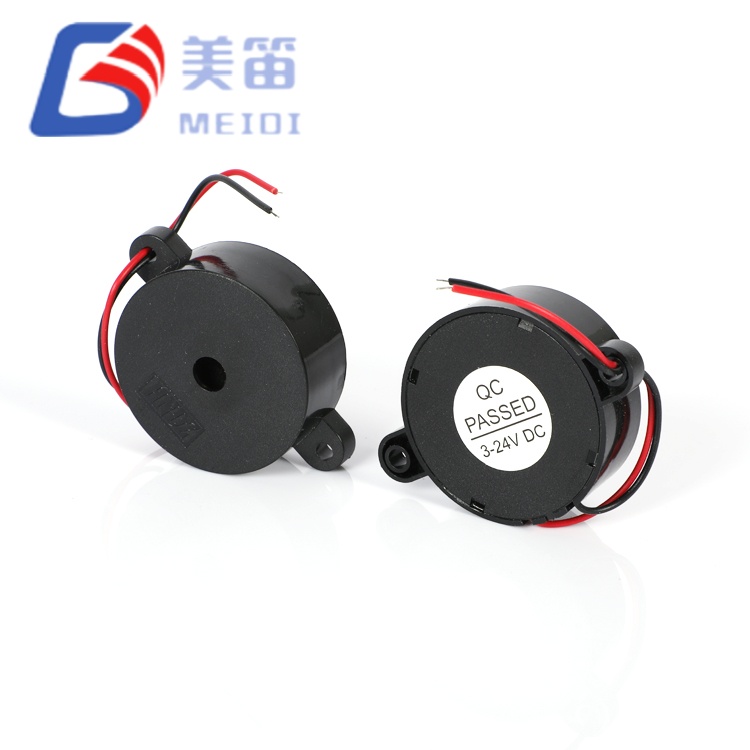
Electromagnetic buzzers are found wherever a clear, penetrating alert is needed. In automotive electronics, they provide seatbelt chimes and parking sensor warnings, operating reliably across the wide temperature swings inside a vehicle cabin. Medical devices such as patient monitors and infusion pumps rely on their distinct tone to stand out from background noise. Industrial alarm buzzers mounted in control cabinets serve as fault indicators on factory floors, while consumer products like microwave ovens and air conditioners use them for simple user feedback. The ability to produce a strong output from a low‑voltage supply also makes them suitable for portable and battery‑powered equipment.
What keeps an electromagnetic buzzer's sound consistent from batch to batch?
Consistency comes from controlling the key variables during manufacturing. Coil winding turns are counted and verified, diaphragm metal is annealed under a fixed thermal profile, and the magnetic gap is set with a go/no‑go gauge. Each lot is sampled for frequency and sound pressure level, and the data is checked against statistical limits before the lot ships.
Can the coil resistance be customized?
Yes. For volume orders, the coil can be wound to a different resistance value to match a specific drive voltage or current budget. The acoustic output is then re‑characterized to confirm that sound pressure and frequency still meet the target.
Are there any special handling requirements during PCB assembly?
Through‑hole and SMD electromagnetic buzzers follow standard soldering profiles, but the diaphragm is exposed through the front opening. Flux, cleaning solvent, or adhesive should be kept out of the sound port. For automated washing processes, a temporary seal can be applied if the buzzer is not a sealed type.