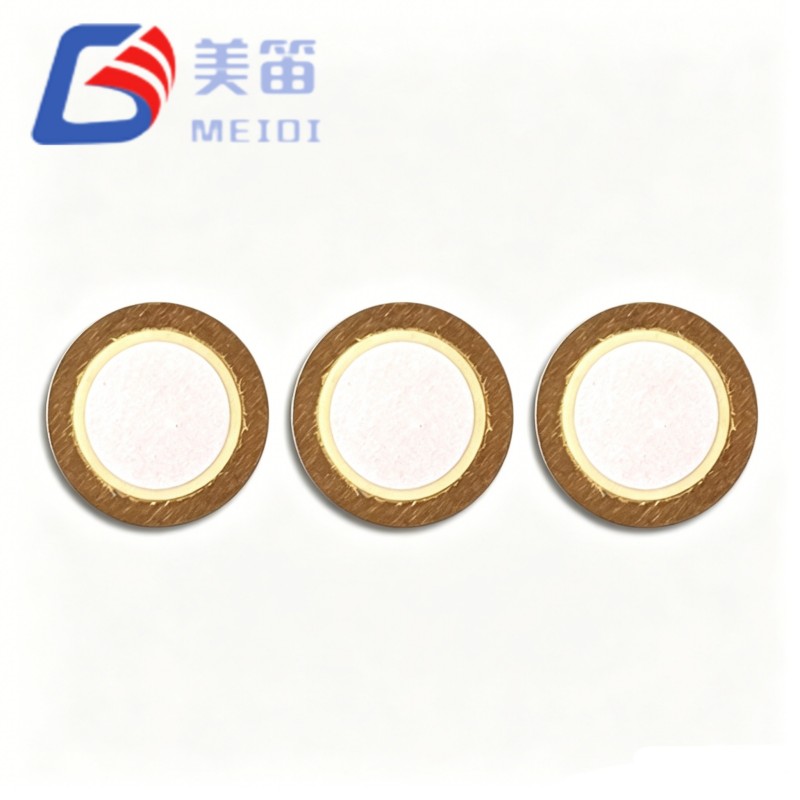
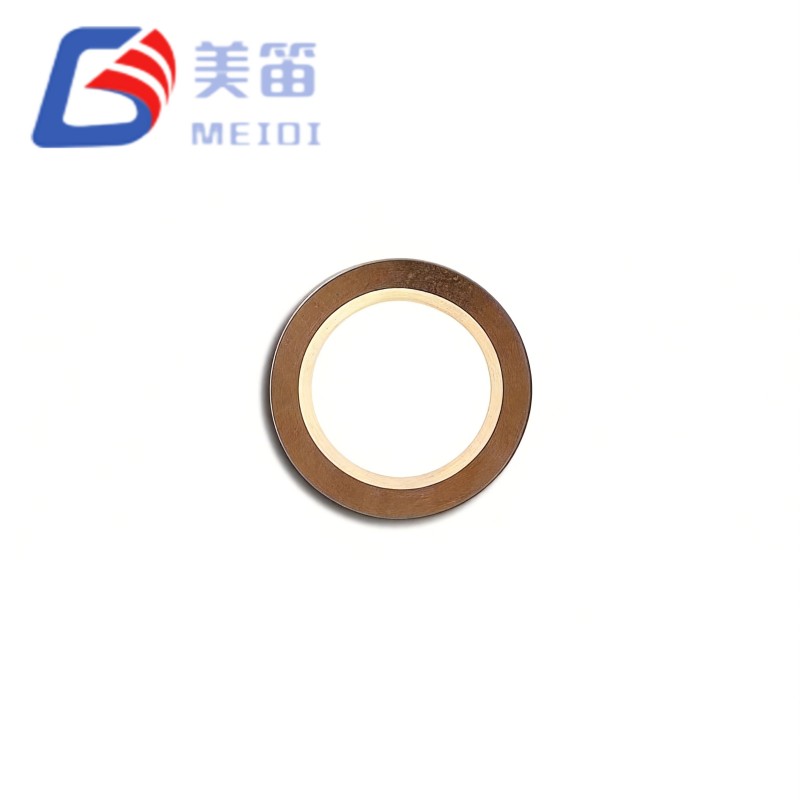
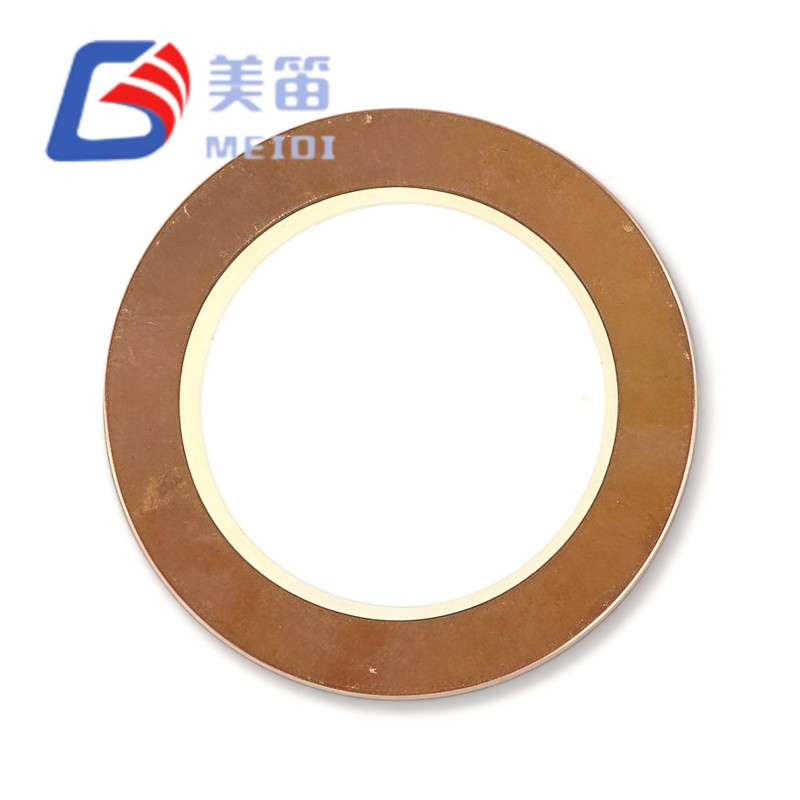
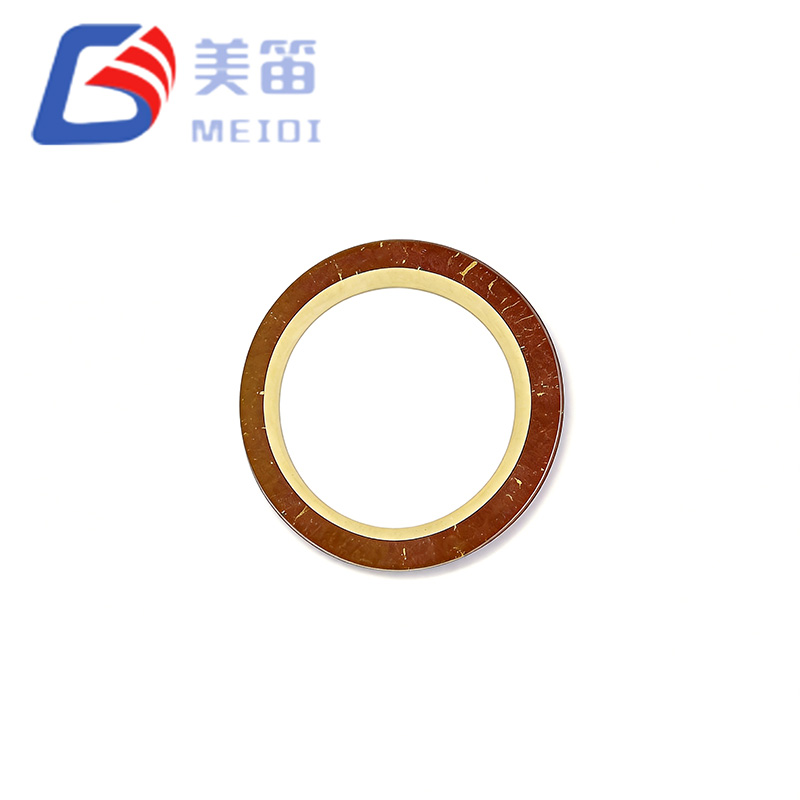
A buzzer element is a bare acoustic transducer that converts an electrical drive signal into sound without any built‑in oscillator or protective housing. The most common construction bonds a thin piezoelectric ceramic disc to a metal substrate, creating a Piezo Ceramic Buzzer Element. When an alternating voltage at the assembly's resonant frequency is applied, the ceramic layer expands and contracts, causing the entire structure to bend and radiate audible pressure waves. Because the element itself is passive, it relies on an external circuit to supply the correct frequency and waveform. This separates the acoustic design from the drive electronics, giving product developers flexibility in how and where the sound is generated.
The piezoelectric ceramic is a formulated lead zirconate titanate compound that has been polarized to retain its electromechanical properties permanently. The metal substrate, usually brass or a nickel alloy, provides mechanical support and determines the resonant frequency together with the ceramic thickness and diameter. Standard elements cover a range from 12 mm to 50 mm in diameter, with resonant frequencies typically between 2.0 kHz and 6.5 kHz. Thinner ceramic layers and smaller diameters push the resonance higher, while larger elements tend to produce greater sound pressure levels. A buzzer element can also be found in self‑oscillating Active Piezoelectric Buzzer and externally driven Passive Piezoelectric Buzzer assemblies, where the element is mounted inside a tuned acoustic cavity together with any required circuitry.
Buzzer elements are supplied with various terminations to suit different assembly methods. Solder‑pad versions allow direct surface attachment, while wire‑lead variants permit remote positioning away from the PCB. Pin‑type terminations fit through‑hole footprints. Because the metal substrate acts as both a conductor and a mechanical support, careful thermal management during soldering is important; prolonged exposure above 260 ℃ can depole the ceramic and reduce acoustic output. In high‑volume production, elements are often pre‑tinned and supplied in tape packaging for automated insertion.
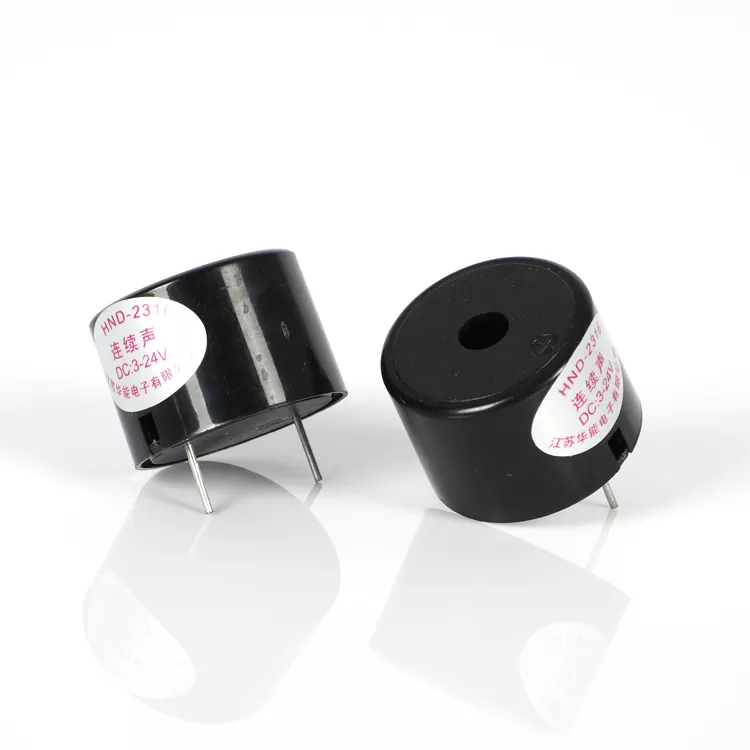
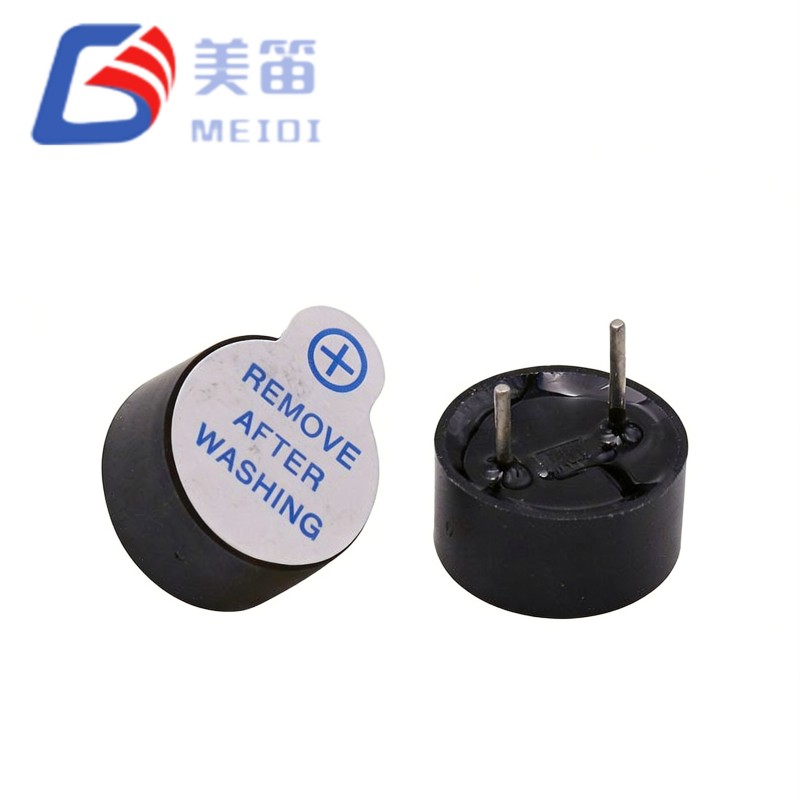
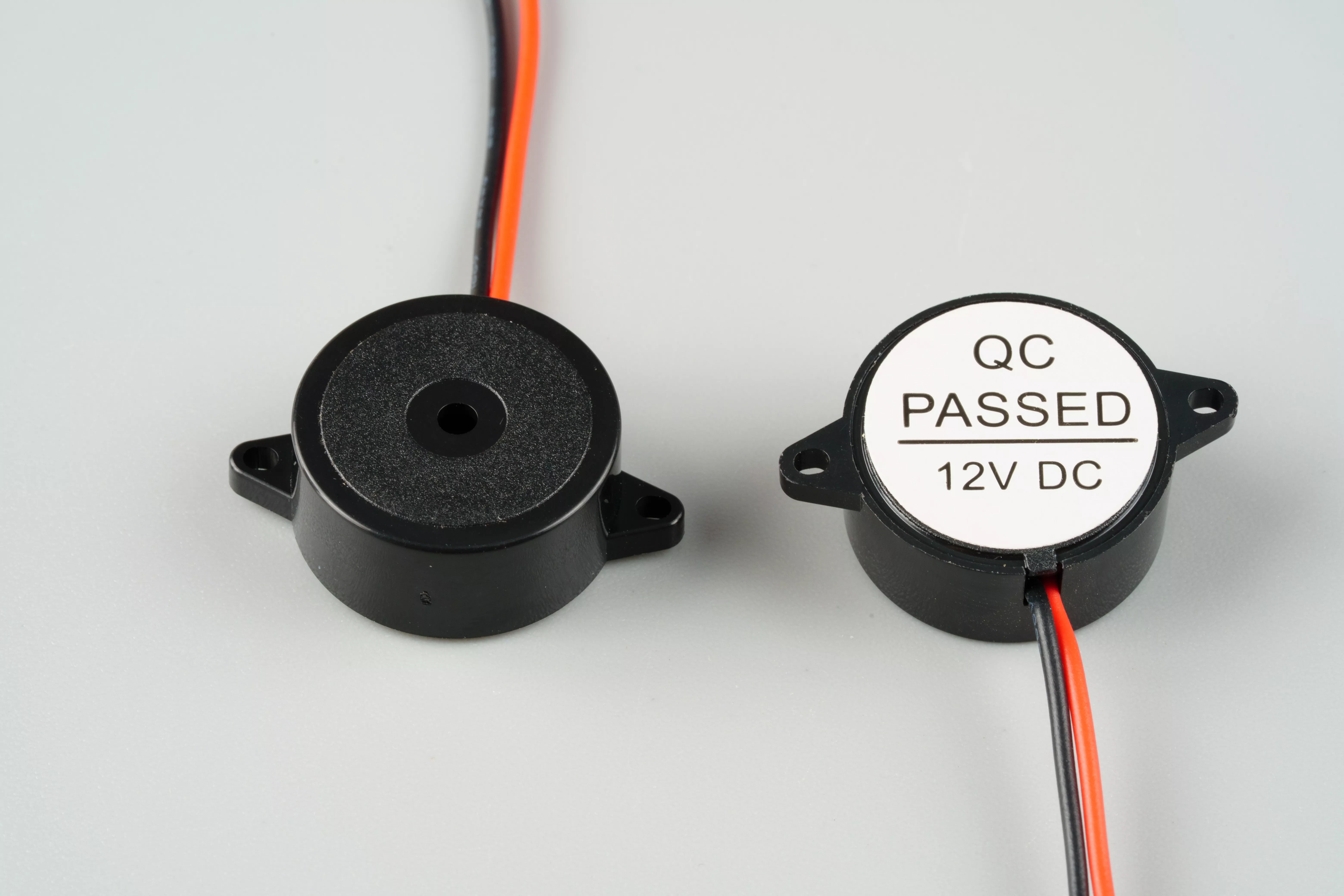
A buzzer element becomes a complete sounder when combined with a drive circuit and an acoustic housing. In an Active Piezoelectric Buzzer, an oscillator chip is mounted alongside the element and the assembly is encased in a plastic shell that acts as a Helmholtz resonator, boosting the sound output at a specific frequency. In a Passive Piezoelectric Buzzer, the housing provides physical protection and acoustic tuning, while the user supplies the drive signal. Beyond these standard configurations, buzzer elements are also employed in custom alarm modules, medical sensors, and industrial Alarm Buzzer assemblies where the acoustic profile must match a specific enclosure or mounting location.
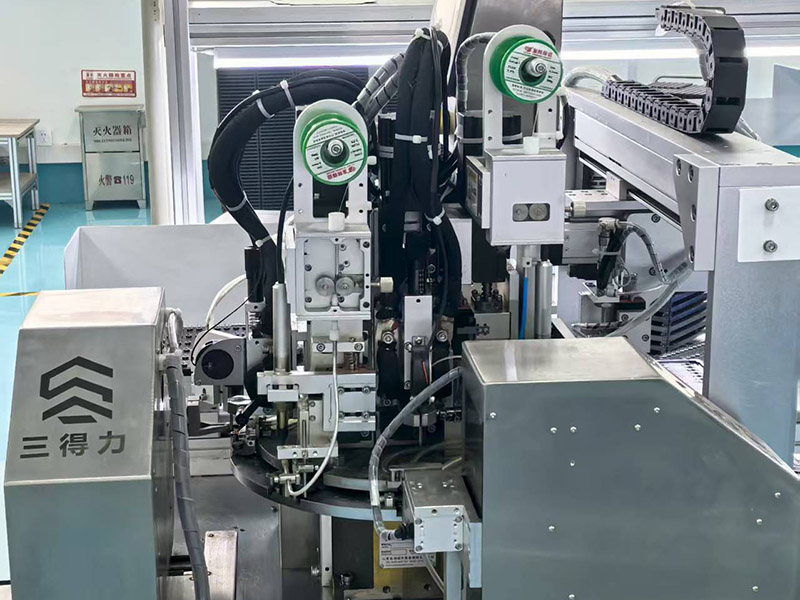
MEIDI produces buzzer elements in a dedicated ceramic processing line that includes powder mixing, tape casting, electrode printing, polarization, and final bonding to metal substrates. Each batch is sampled for capacitance, resonant frequency, and impedance, with the results recorded for traceability. The ISO 9001 certified process includes incoming material checks on ceramic powder and substrate metal, ensuring that the physical properties remain consistent over long production runs. For volume orders, the engineering team can adjust the ceramic thickness, electrode geometry, and substrate alloy to fine‑tune the acoustic performance for specific application needs.
What is the difference between a buzzer element and a complete buzzer?
A buzzer element is the bare transducer, consisting of a ceramic disc bonded to a metal substrate. It requires an external drive signal and, typically, a mounting cavity to reach its rated sound output. A complete buzzer packages the element together with a drive circuit (if active) and an acoustically designed housing.
Can buzzer elements be used in outdoor or harsh environments?
The ceramic and metal materials can withstand a wide temperature range, but exposure to moisture, corrosive gases, or condensing humidity can degrade the electrode and substrate over time. For outdoor use, the element should be placed inside a sealed or ventilated enclosure that prevents direct contact with water and contaminants.
How is the resonant frequency of a buzzer element set?
The resonant frequency is determined by the ceramic thickness, the substrate stiffness, and the overall diameter. These parameters are controlled during manufacturing. Custom frequency values can be achieved by adjusting the ceramic formulation or the bonding process for production quantities.
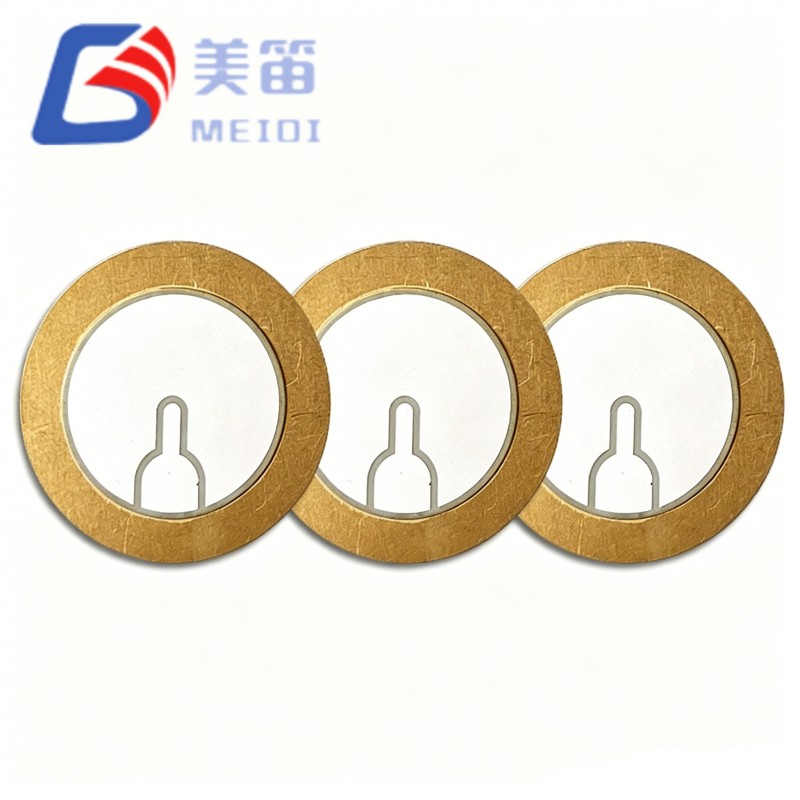
Resonant frequency: 2.9 ± 0.5 kHz.
Free capacitance: 30,000 / 3,300 pF ± 30% at 120 Hz.
Equivalent resistance: ≤ 500 Ω.
Dielectric loss: ≤ 5%.
Operating temperature: -20 °C to +70 °C.
Storage temperature: -30 °C to +80 °C.
Dimensions: T 0.55 ± 0.04 mm, T1 0.30 ± 0.02 mm, D1 35.0 +0/-0.1 mm, D2 25.0 ± 0.3 mm.
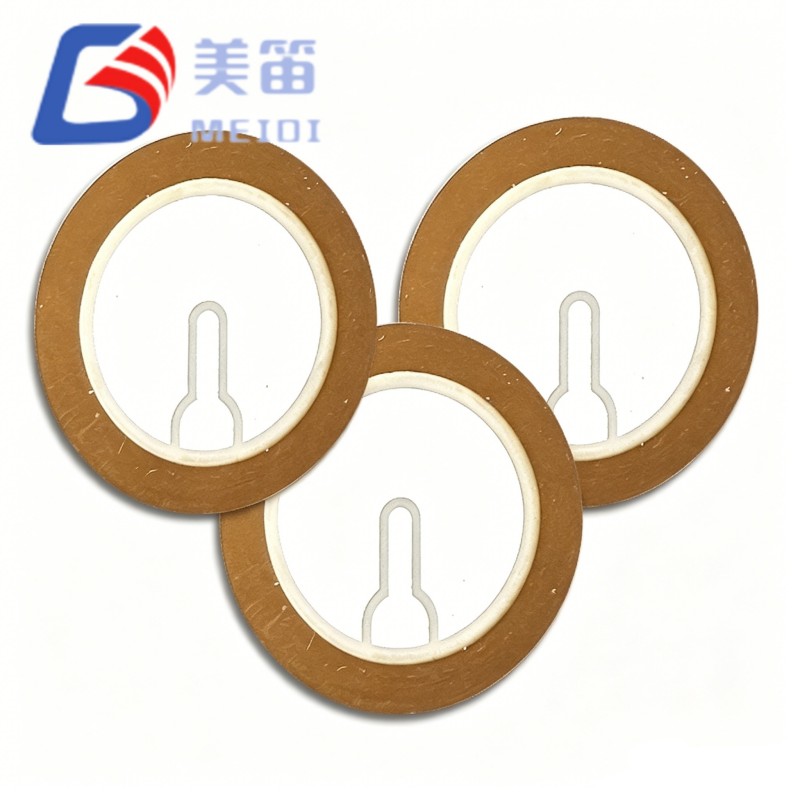
Resonant frequency: 4.0 ± 0.5 kHz.
Free capacitance: 25,000 / 2,600 pF ± 30% at 120 Hz.
Equivalent resistance: ≤ 500 Ω.
Dielectric loss: ≤ 5%. Operating temperature: -20 °C to +70 °C.
Storage temperature: -30 °C to +80 °C.
Dimensions: T 0.44 ± 0.04 mm, T1 0.20 ± 0.02 mm, D1 27.0 +0/-0.1 mm, D2 20.0 ± 0.3 mm.
Contact MEIDI for bulk pricing, free evaluation samples, or a custom configuration quote.