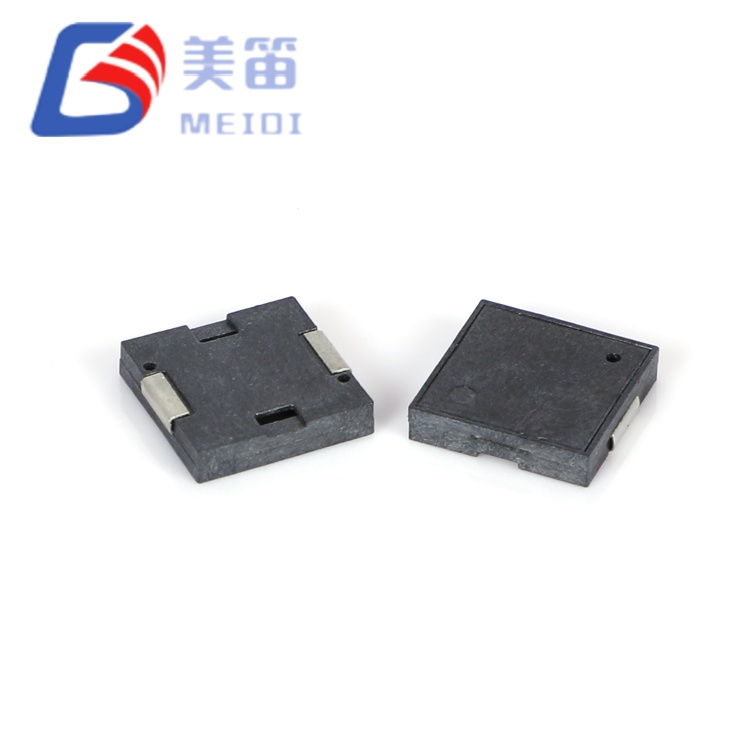
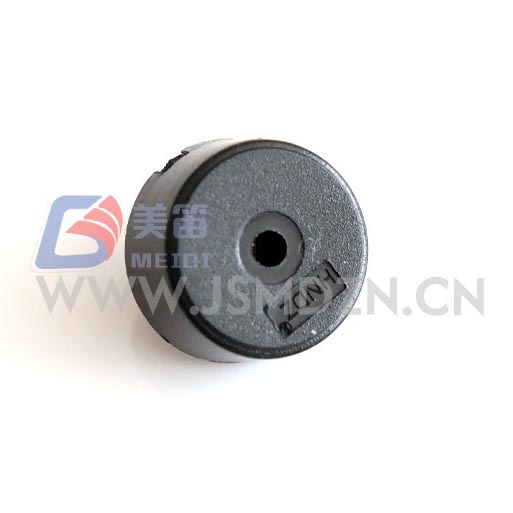
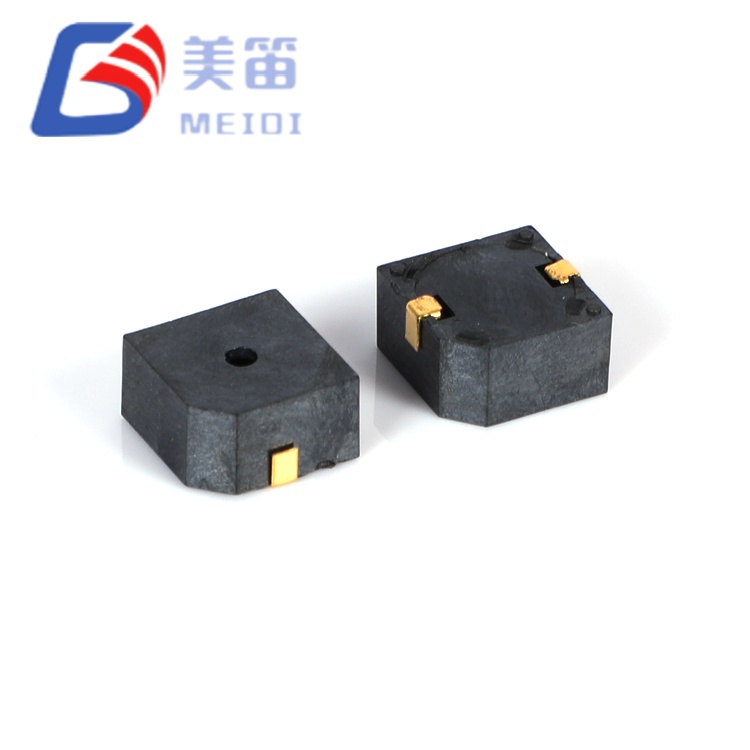
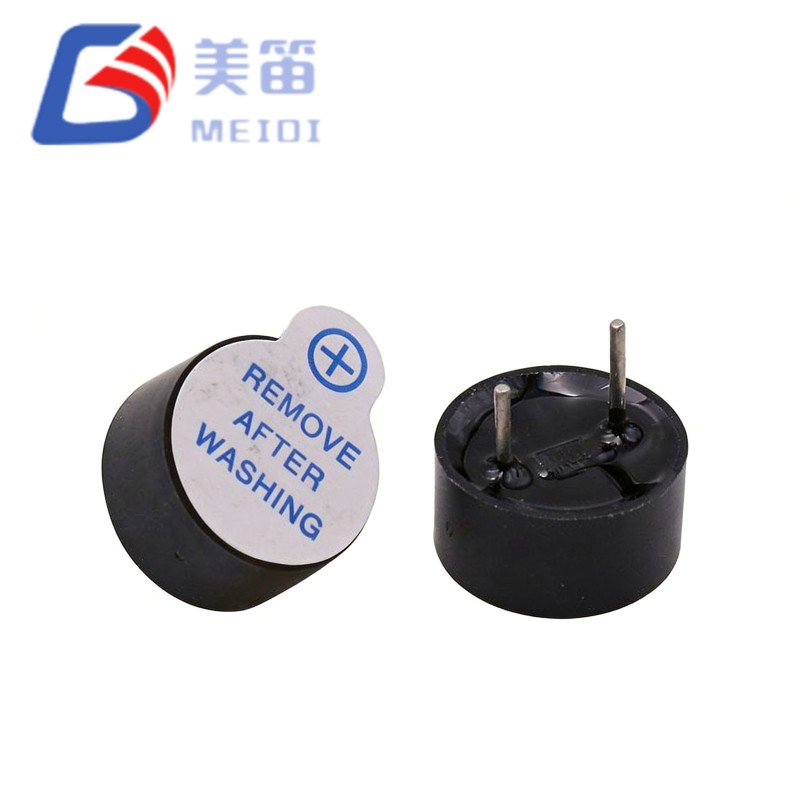
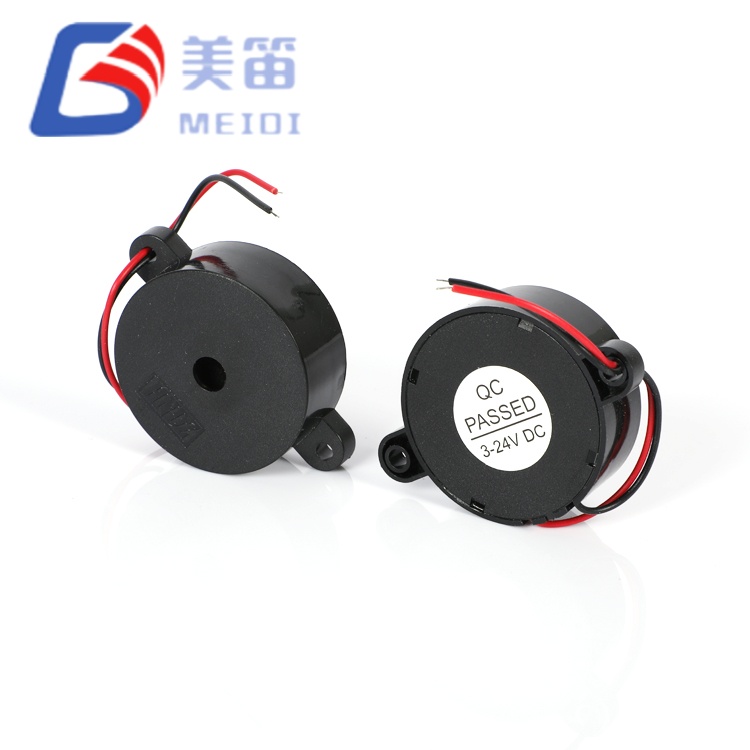
Buyers in the piezo buzzer market often receive similar quotations for very different buzzer designs. On paper, both active and passive units may appear interchangeable because they are small, inexpensive, and widely used in alarms, appliances, and control systems. In real projects, however, the wrong selection can create avoidable firmware work, acoustic problems, or supply risk during production ramp-up.
For sourcing teams, the more useful comparison is how each buzzer type affects integration speed, sound flexibility, BOM planning, and long-term product updates.
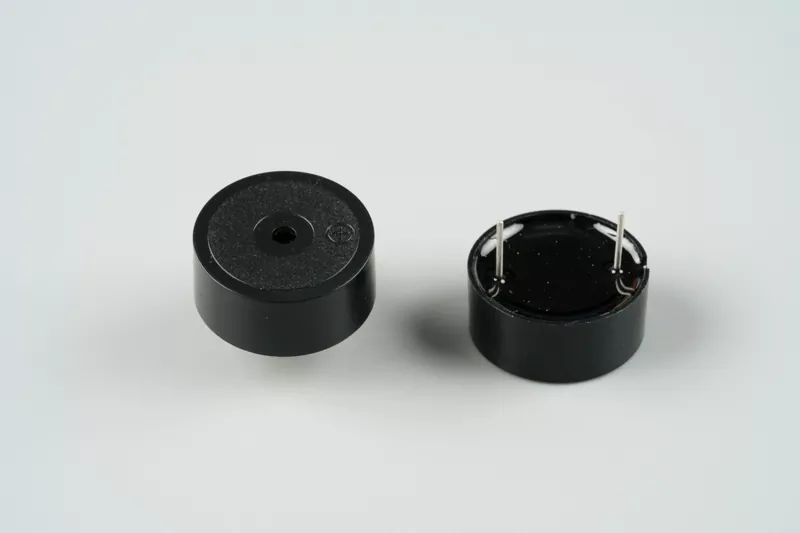
A buzzer is a small line on the BOM, but it reaches further than its price suggests. It decides how engineers generate sound, how comparable two quotations really are, and what the end user hears every time the product reacts.
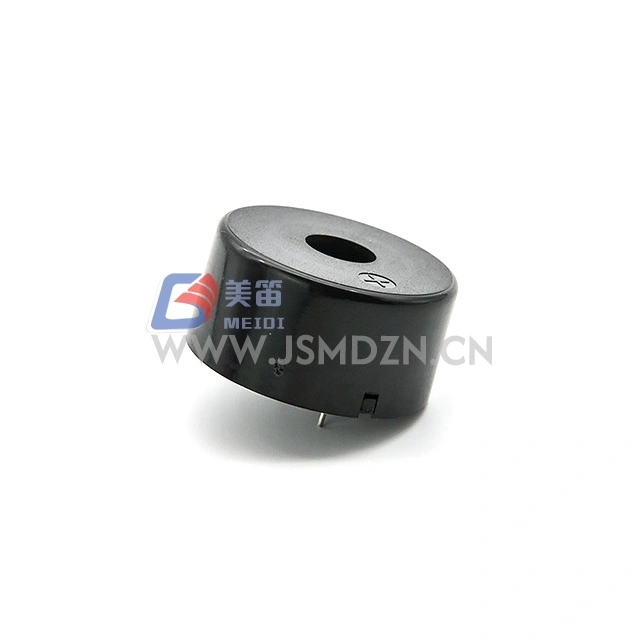
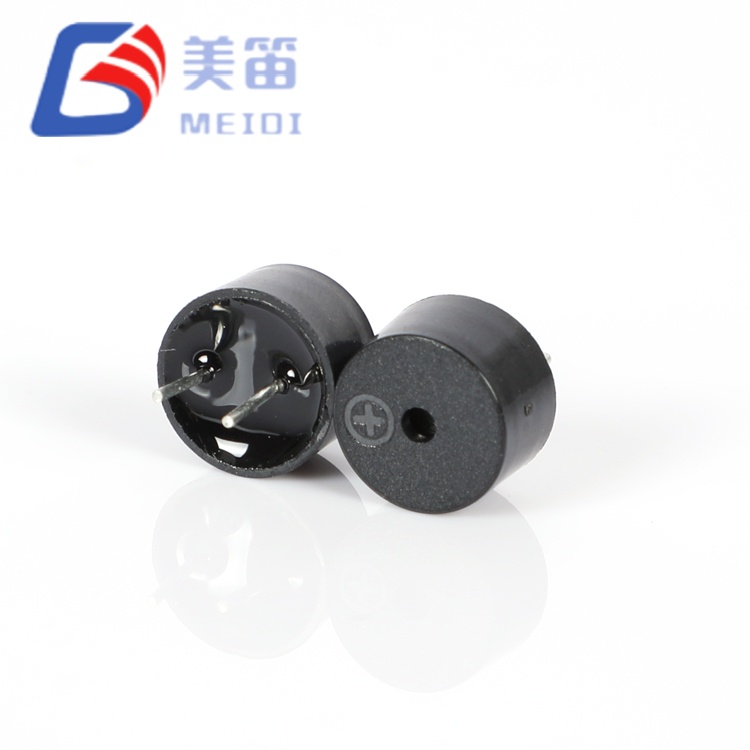
An active buzzer includes an internal oscillator, so once DC voltage is applied, the buzzer emits a predefined sound. This makes it attractive for buyers who need a simple alarm or notification function with minimal circuit complexity.
| Use Case | Why Active Buzzer Is Efficient |
|---|---|
| Fire and security alerts | Immediate fixed-tone response with simple drive logic |
| Home appliance prompts | Reliable short beeps for status confirmation |
| Basic industrial controllers | Easy integration in standardized panels |
| Portable terminals | Compact form factor and low implementation burden |
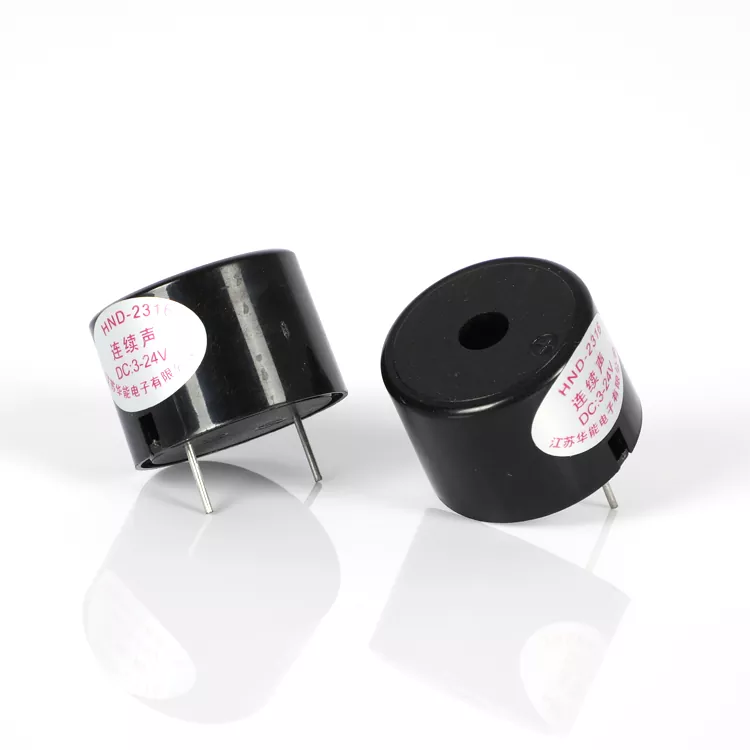
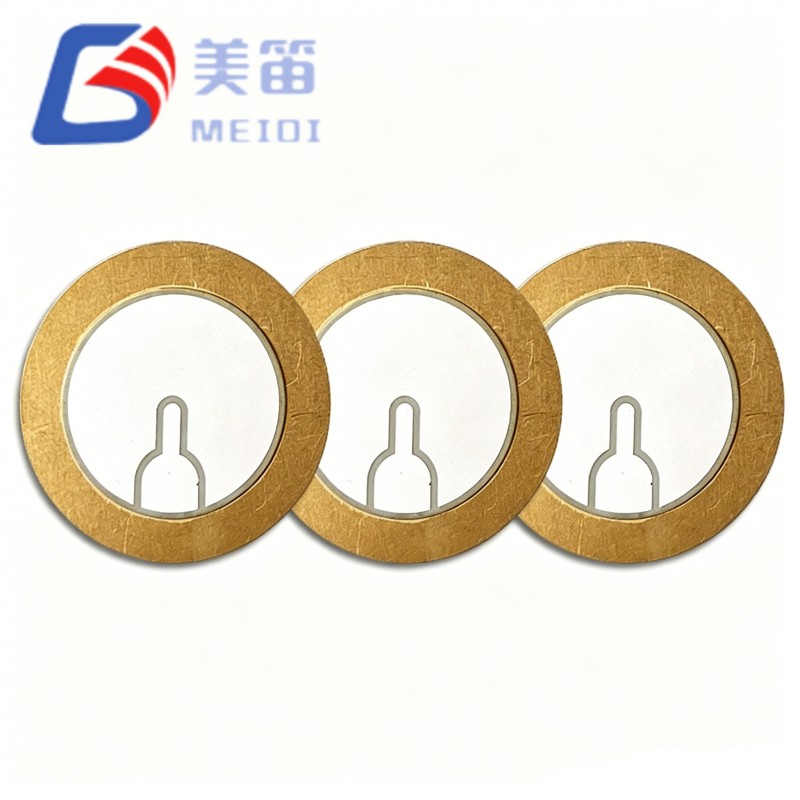
A passive buzzer does not generate sound by itself. It responds to an external waveform, often provided by a microcontroller. This lets the product team tailor pitch, sequence, and rhythm to fit specific operating states or user experiences.
Passive buzzers may look cheaper at item level, but they should not be judged by unit cost alone. The buyer also needs to consider controller resources, software effort, tuning cycles, and the risk of poor acoustic performance if the drive scheme is not optimized.
| Review Point | Active Buzzer | Passive Buzzer |
|---|---|---|
| Part-level simplicity | High | Medium |
| Sound customization | Low | High |
| Firmware demand | Low | Higher |
| Flexibility after launch | Limited | Strong |
| Total implementation risk | Lower for standard alarms | Lower only when the team needs custom tones |
Under the housing, an active buzzer fuses a vibrating element with its own oscillation circuit into one sealed package. Apply the rated voltage and the part emits a preset tone on its own, asking the host board for nothing more than power. That built-in oscillator is the reason the device fits products that need a direct, repeatable audible signal without writing sound-generation firmware.
When reviewing offers from a buzzer factory or piezo buzzer supplier, global buyers should compare more than the headline price.
| Application | Preferred Type | Reason |
|---|---|---|
| Smoke detector or basic alarm | Active buzzer | Fast design-in and dependable fixed tone |
| Medical monitor | Passive buzzer | Different alarm priorities require controlled sound patterns |
| Smart home interface | Passive buzzer | Custom user feedback improves interaction quality |
| Standard appliance controller | Active buzzer | Simple production requirement and stable audible prompt |
| Battery-powered handheld device | Depends on sound logic | Selection should balance power budget, tone needs, and firmware resources |
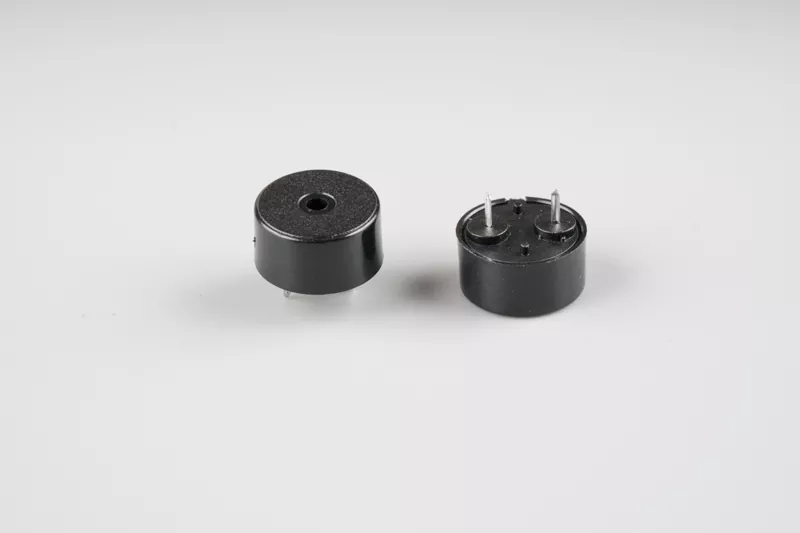
For most OEM buyers, the choice between an active buzzer and a passive buzzer follows the application, not the unit price. Active buzzers serve projects that need speed, reliability, and straightforward electrical integration. Passive buzzers fit programs where tone flexibility is part of the product function or brand experience. The right supplier is rarely the lowest bidder; it is the one that can hold quality across repeat lots and answer technical questions without a translation layer.
Price the buzzer together with the engineering work it creates. A part that saves two cents but costs a firmware cycle and a re-sample is not the cheaper option.