Piezoelectric Buzzer: Custom & OEM Solutions, Types, and Selection Guide
A piezoelectric buzzer turns a tiny ceramic disc into a reliable sound source for alarms, medical devices and automotive electronics. This guide explains how a piezo buzzer works, compares active vs passive and piezo vs magnetic designs, and shows how MEIDI develops custom and OEM piezoelectric buzzer solutions for design engineers and procurement teams. Selecting the right piezoelectric buzzer early avoids costly re-spins later.
What Is a Piezoelectric Buzzer?
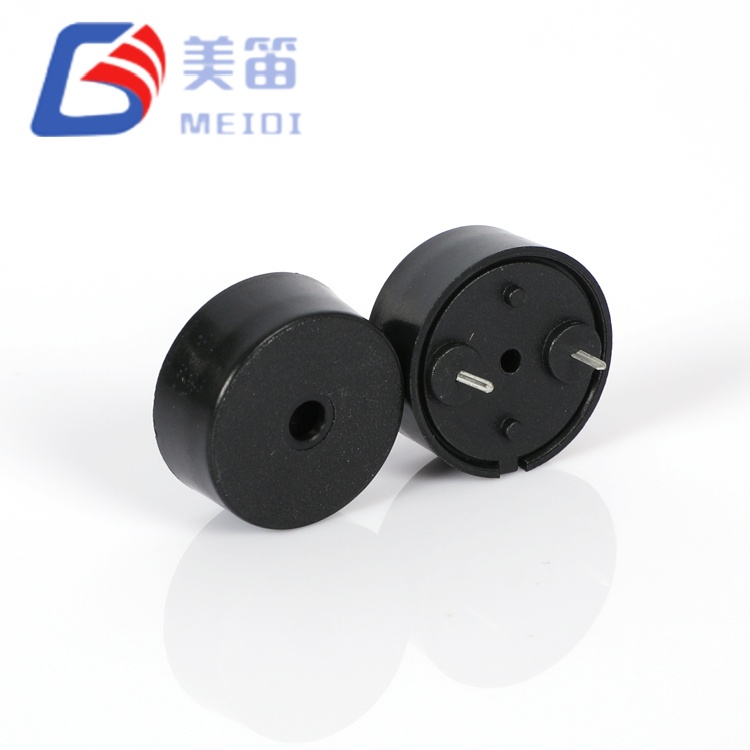
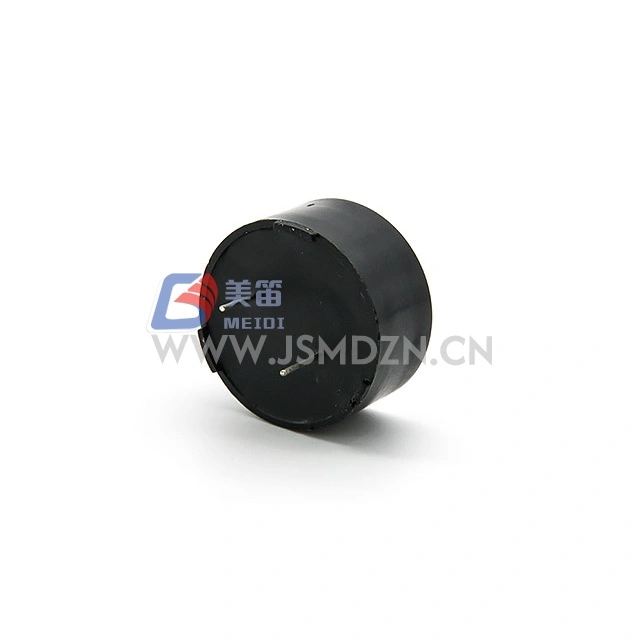
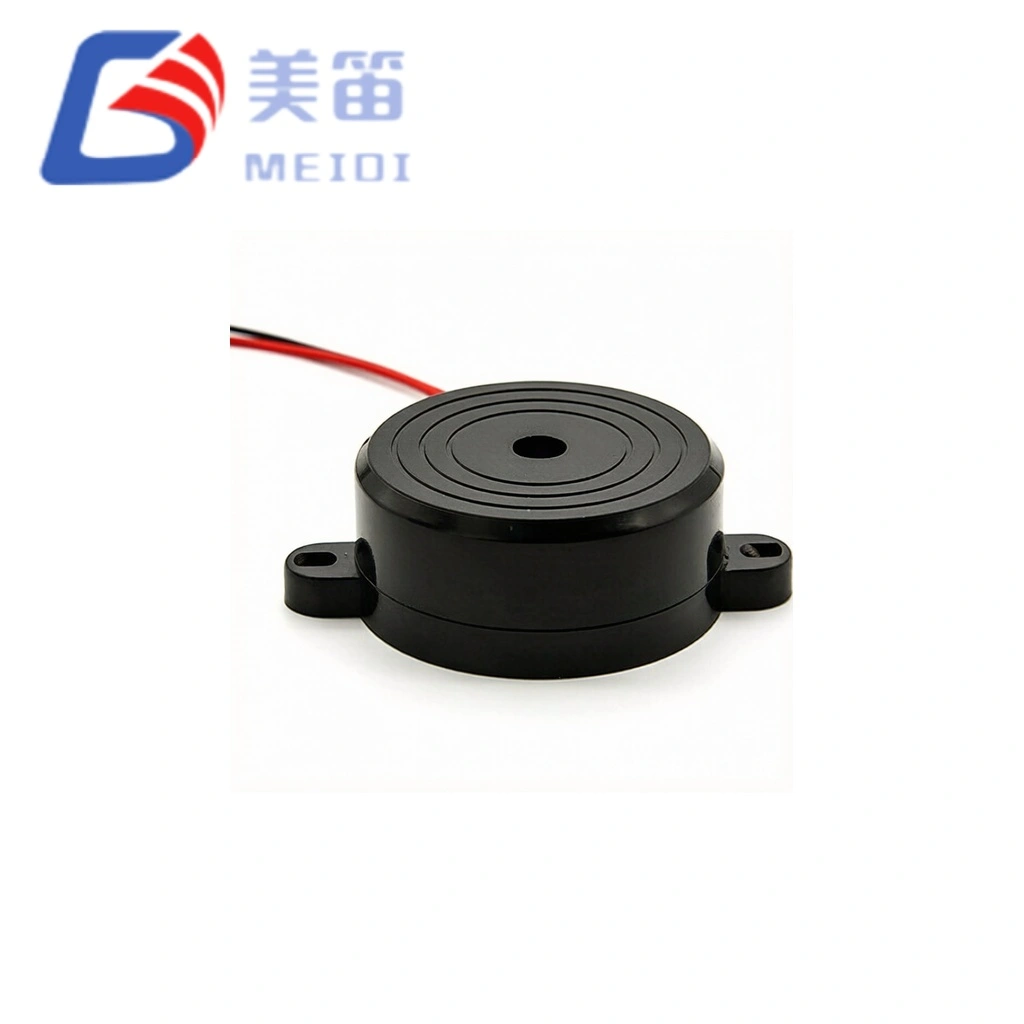
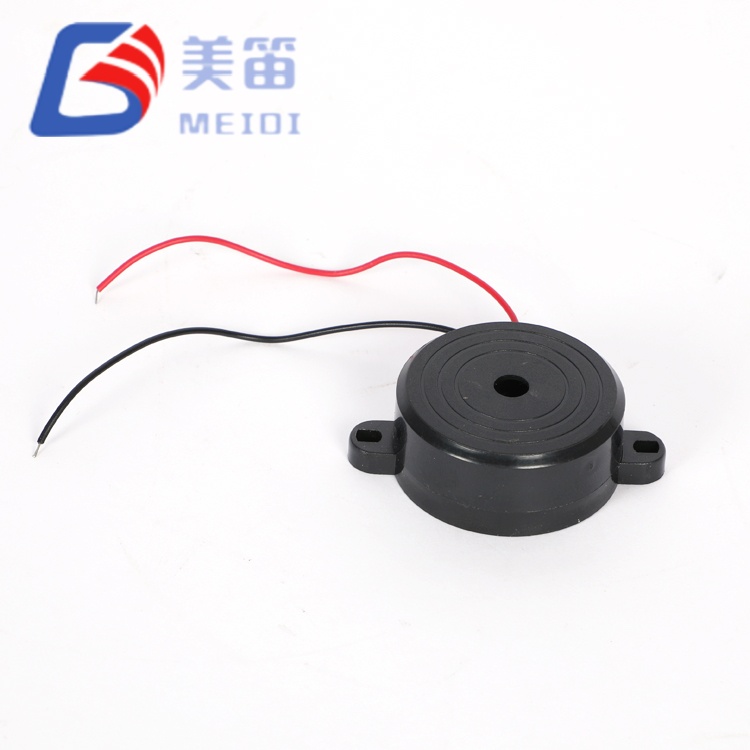
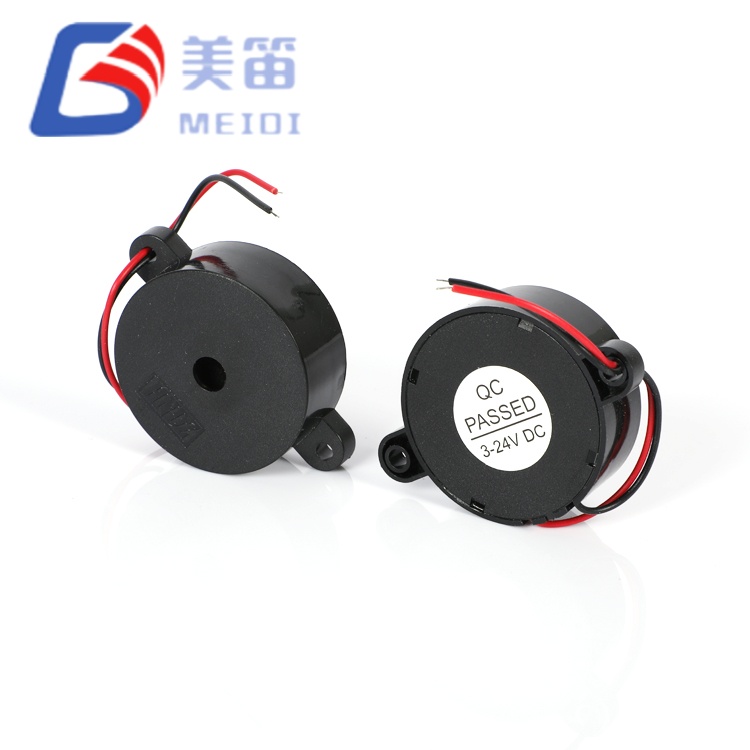
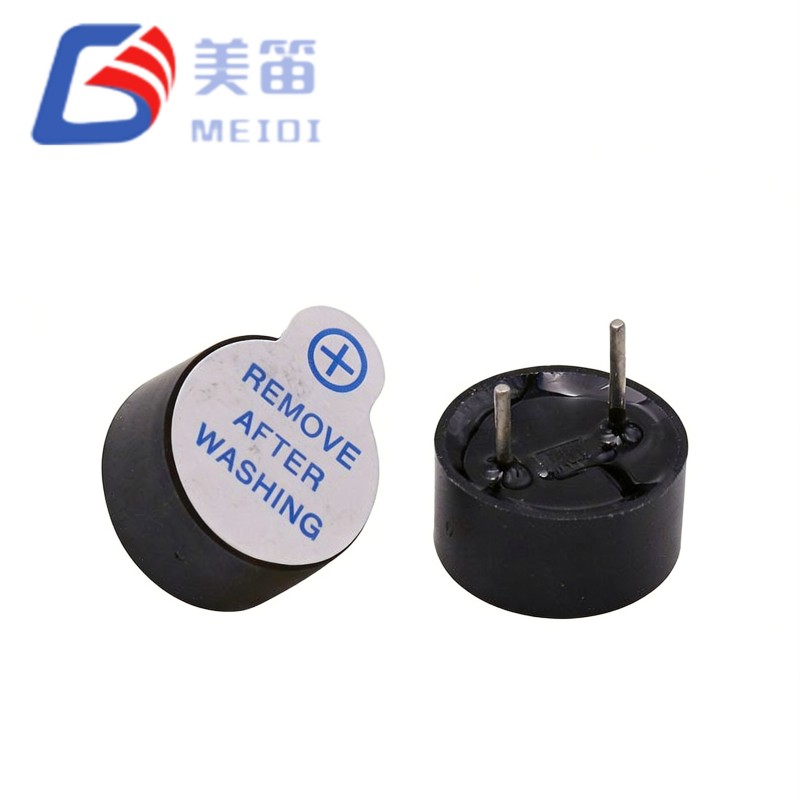
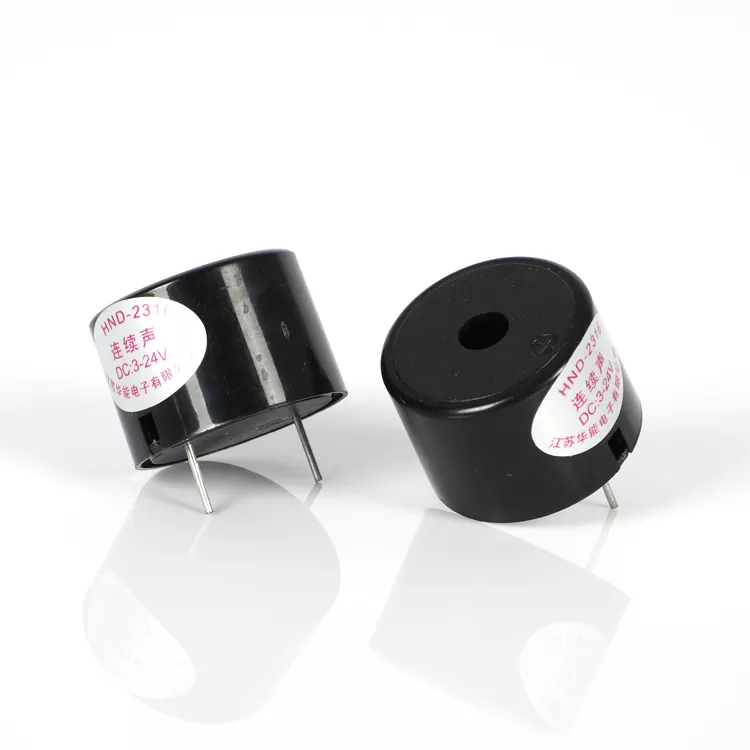
A piezoelectric buzzer is an electroacoustic component built around a thin piezo ceramic element bonded to a metal diaphragm. When voltage is applied, the ceramic deforms a few microns and the diaphragm flexes, pushing air to create sound. Unlike a moving-coil speaker, a piezo buzzer has no coil, no magnet and almost no wear — which is why piezo buzzers are trusted in mission-critical alarm and notification products.
Because the ceramic is the active material, a piezoelectric buzzer stays stable across temperature and age. That makes the piezo buzzer a strong default for designs that must keep producing the same sound pressure level (SPL) for years, not just on the test bench. For any new alarm or notification design, put a piezoelectric buzzer on the shortlist first.
How Does a Piezoelectric Buzzer Work?
A piezoelectric buzzer converts electrical energy into sound with very high efficiency, which is why it suits low-power products. The core effect is the piezoelectric principle: certain ceramic crystals generate mechanical strain under an electric field. In a piezo buzzer, an AC or pulsed signal drives the ceramic at or near its resonant frequency, where the diaphragm moves most efficiently and the SPL peaks.
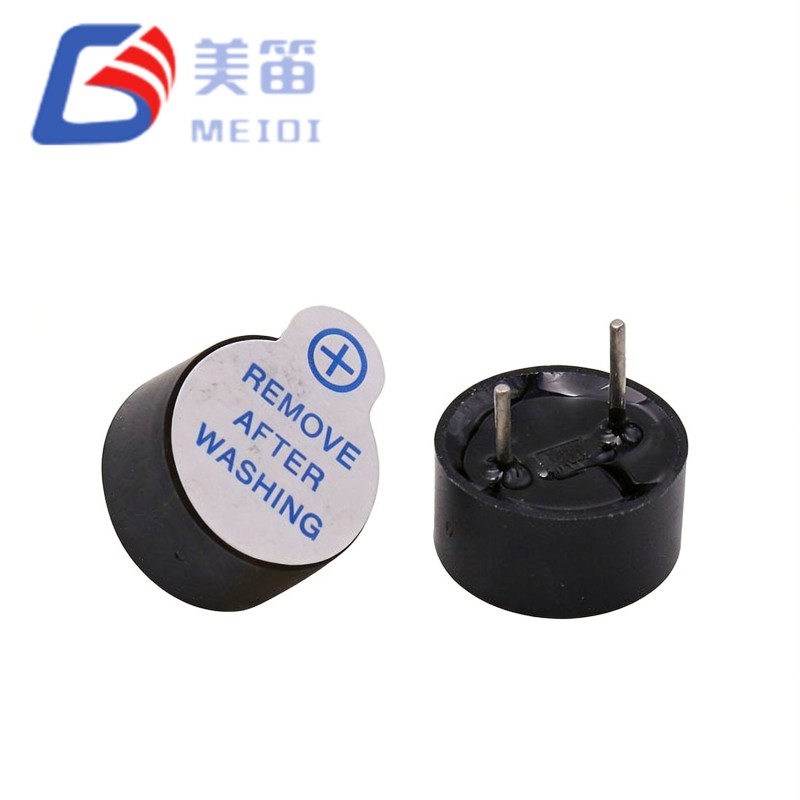
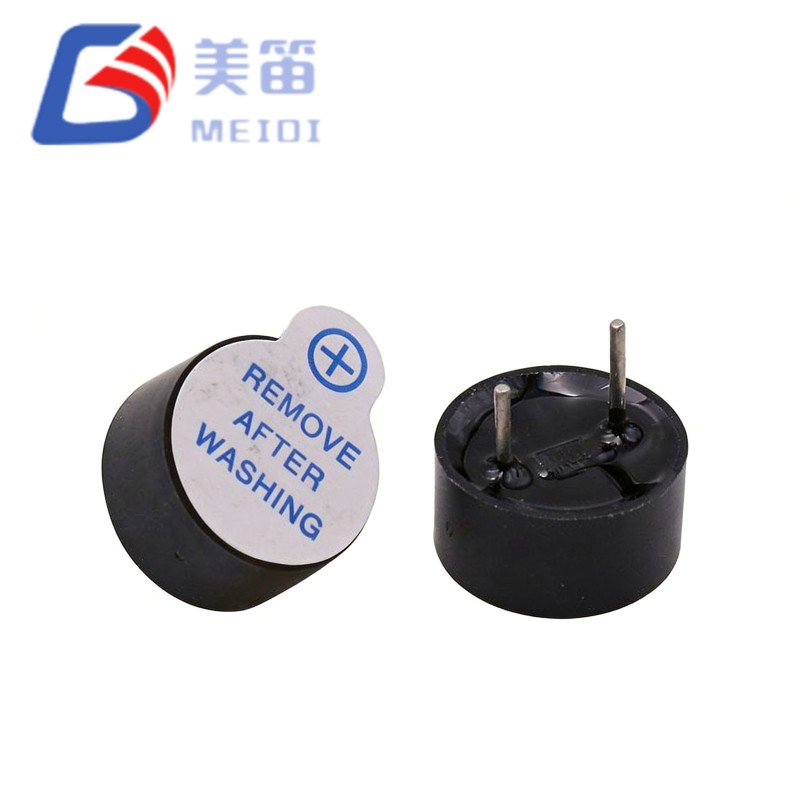
Two build families exist. The passive piezoelectric buzzer is the more flexible of the two, while the active type wins on simplicity. A passive piezo buzzer is just the element plus a housing — you supply the drive waveform. An active piezo buzzer adds an internal oscillator so it beeps from plain DC power. Both are piezoelectric buzzers; the difference is who generates the tone.
Active vs Passive Piezoelectric Buzzer
Choose a passive piezo buzzer when your firmware already drives a PWM output and you want to control pitch, melody or two-tone alarms. Choose an active piezo buzzer when the simplest possible "apply 5 V, get a beep" behavior is enough and you want to free a microcontroller pin.
Passive piezo buzzer — needs an external drive circuit; flexible tone; lower standby complexity; common in medical and industrial alarm boards.
Active piezo buzzer — built-in oscillator; beeps on DC; easiest integration; common in consumer and appliance indicators.
For most custom programs, MEIDI recommends a passive piezo buzzer when the alarm logic lives in firmware, and an active piezo buzzer when the sounder must work even if the main controller sleeps. A well-chosen piezoelectric buzzer keeps the bill of materials small while still meeting the alarm spec.
Piezoelectric Buzzer vs Magnetic Buzzer — Which to Choose?
Choosing between a piezoelectric buzzer and a magnetic buzzer starts with the power budget. A piezo buzzer and a magnetic buzzer solve the same job differently. A magnetic (electromagnetic) buzzer uses a coil and magnet; a piezo buzzer uses a ceramic element. The practical trade-offs:
Power: a piezo buzzer typically draws microamps to a few milliamps; a magnetic buzzer needs more current to move the coil.
Durability: no coil means a piezoelectric buzzer resists vibration and long-term wear better.
Volume: magnetic buzzers can be louder at low voltage; large piezo buzzers reach very high SPL at 12 V.
If your product is battery-powered, space-limited or must run for a decade, a piezoelectric buzzer is usually the safer pick. If you need a deep low-frequency tone, compare both on the bench.
SMD Piezoelectric Buzzer for Compact Designs
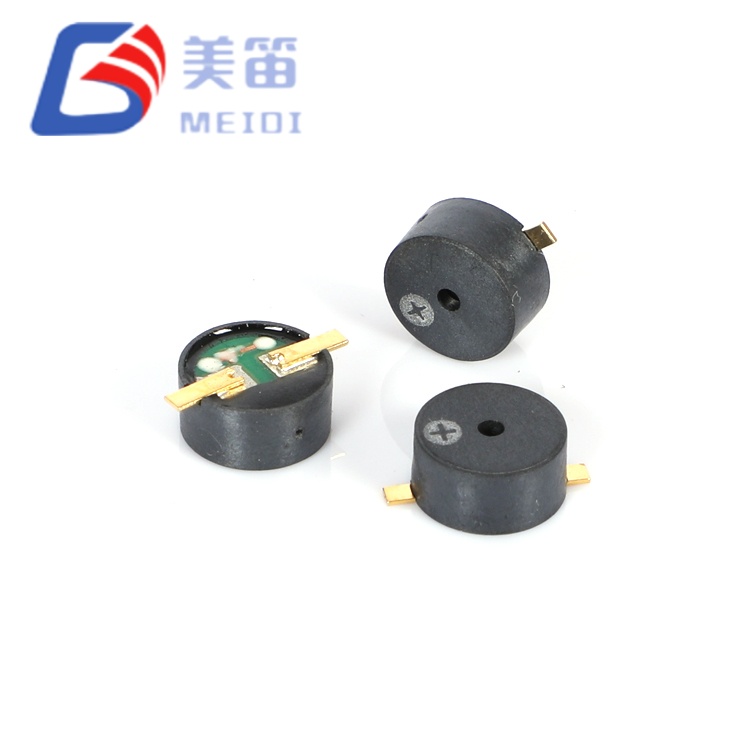
As boards shrink, the SMD piezo buzzer matters more. The piezoelectric buzzer in surface-mount form is now standard in compact consumer and medical products because it saves board space and survives automated assembly. A surface-mount piezo buzzer reflows with the rest of your components, saves PCB area and survives automated assembly. MEIDI supplies reflow-ready piezo buzzers and can tune the element for thin profiles where height is limited — a common request in smart locks, wearables and portable medical devices.
When evaluating an SMD piezo buzzer, confirm the reflow temperature profile, the sealed-top construction and the SPL at your actual supply voltage, not just the catalogue rating.
Key Specifications to Check
For a piezoelectric buzzer, the resonant frequency and the SPL are the first two numbers to lock. These are the numbers that decide whether a piezo buzzer fits your design:
Resonant frequency — the frequency where SPL peaks; match it to your drive signal.
Sound pressure level (dB) — measured at 10 cm; pick the SPL your enclosure can actually deliver.
Operating voltage — the wider the range, the easier the integration; many piezo buzzers run 1–25 V.
Current (mA) — critical for battery designs; passive piezo buzzers are often below 5 mA.
Capacitance (pF) — the piezo element value; needed to size the drive circuit.
Operating temperature — automotive and medical grades need wide ranges.
Piezoelectric Buzzer Drive Circuit Basics
For a passive piezoelectric buzzer, the drive circuit is a capacitive load, so the drive circuit is simple: a transistor or half-bridge switches the supply at the desired frequency. Keep the drive voltage inside the rated range and avoid sustained DC across the element (it can depolarize the ceramic). An active piezo buzzer needs only a current-limited DC supply. MEIDI provides reference drive circuits and can co-design the oscillator stage for OEM programs.
Design tip: drive a passive piezoelectric buzzer with a square wave near its resonant frequency to get the rated SPL at the lowest current. Sweeping frequency away from resonance quickly drops output.
Every MEIDI piezoelectric buzzer ships with a reference drive note in its datasheet, so your hardware team can integrate without guesswork.
MEIDI Representative Piezoelectric Buzzer Models
The table below lists representative MEIDI piezoelectric buzzer models drawn from our production range. Every value is a measured specification; confirm the latest datasheet before design-in. MEIDI also builds custom piezo buzzers to your SPL, voltage and footprint.
A piezoelectric buzzer shows up wherever a dependable tone matters. In each of these fields the component must meet a different SPL, voltage and temperature spec, so the same piezo buzzer rarely fits every application:
Automotive: BCM low-power alarms, reverse and parking alerts, tire-pressure and seat-belt reminders — applications where a piezo buzzer's low current and heat resistance pay off.
Medical: patient monitors, infusion pumps and diagnostic equipment use piezo buzzers for clear, low-energy alerts.
Industrial: control panels, gas detectors and access systems rely on the long service life of a piezoelectric buzzer.
Consumer & IoT: smart locks, wearables and home appliances use the SMD piezo buzzer for compact notification.
Custom & OEM Piezoelectric Buzzer Development
MEIDI is the export brand of Jiangsu Meidi Intelligent Technology Co., Ltd., built for custom and OEM programs. A custom piezoelectric buzzer can hit a target SPL or footprint that a standard part misses, which is why many automotive and medical teams come to us for co-development. When a standard piezoelectric buzzer does not fit your enclosure, voltage or SPL target, we tune the element and housing to your spec:
Acoustic tuning — adjust resonant frequency, SPL and tone shape to the application.
Mechanical design — custom footprint, pin style, sealed top and slim profile.
Electrical co-design — reference drive circuit and oscillator stage for active piezo buzzers.
Fast prototyping — evaluation samples are typically built within days so your team can verify early.
Because MEIDI shares the manufacturing base of a leading piezo ceramic producer, custom piezoelectric buzzers still ship with consistent acoustic performance from the first unit to volume production.
How to Choose the Right Piezoelectric Buzzer
Work through this short list:
Define the tone: fixed beep (active piezo buzzer) or controllable melody (passive piezo buzzer)?
Set the SPL you need at 10 cm inside your real enclosure, not in free air.
Confirm the supply voltage range and the current budget, especially for battery products.
Pick the package: through-hole or SMD piezo buzzer for automated assembly.
Check the operating temperature against your environment (automotive/medical need margins).
Request a datasheet and free evaluation samples before design-in.
When the spec is tight, ask MEIDI for a piezoelectric buzzer sample and verify the SPL in your own enclosure before committing to the design.
Why Specify MEIDI Piezoelectric Buzzers
MEIDI is backed by a vertically integrated piezo ceramic manufacturing base, and our piezoelectric buzzer range is engineered for consistent acoustic performance from the first sample to volume production. with automated lines, an in-house acoustic laboratory and ISO 9001 certification. Our piezoelectric buzzer range spans passive and active types, slim and high-SPL builds, and reflow-ready SMD piezo buzzers — all supported by application engineering for custom and OEM programs. We help design teams select the right piezo buzzer and verify it at volume, not just on the bench.
Need a piezoelectric buzzer for your next design?
Tell us your voltage, SPL and footprint, and we will recommend a standard model or propose a custom piezo buzzer. Datasheets and free evaluation samples are available on request.
We use cookies to offer you a better browsing experience, analyze site traffic and personalize content. By using this site, you agree to our use of cookies.Privacy Policy