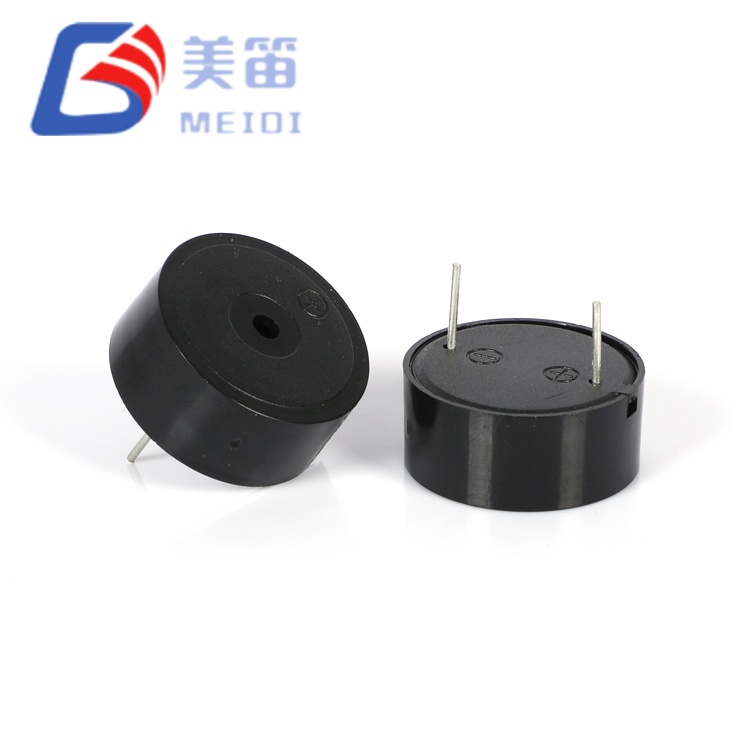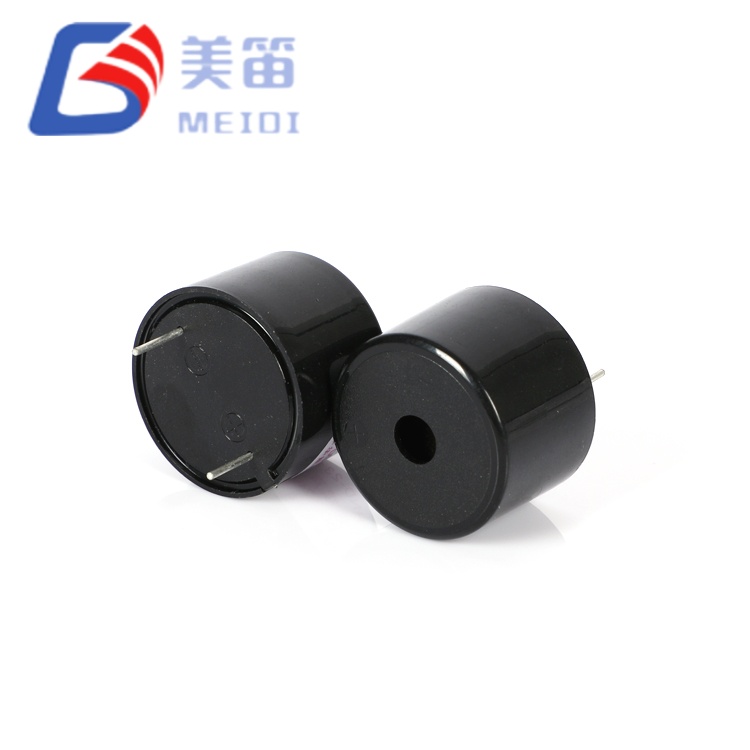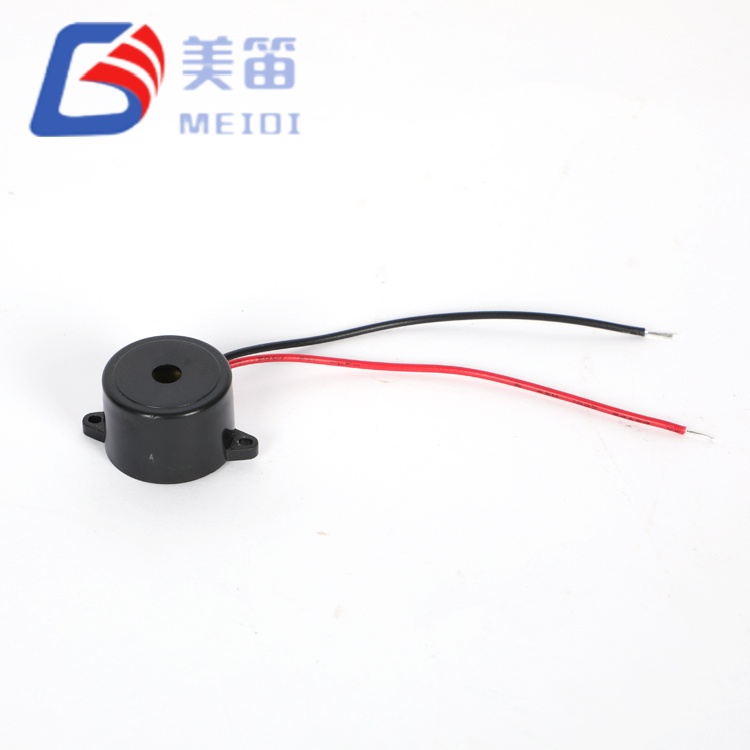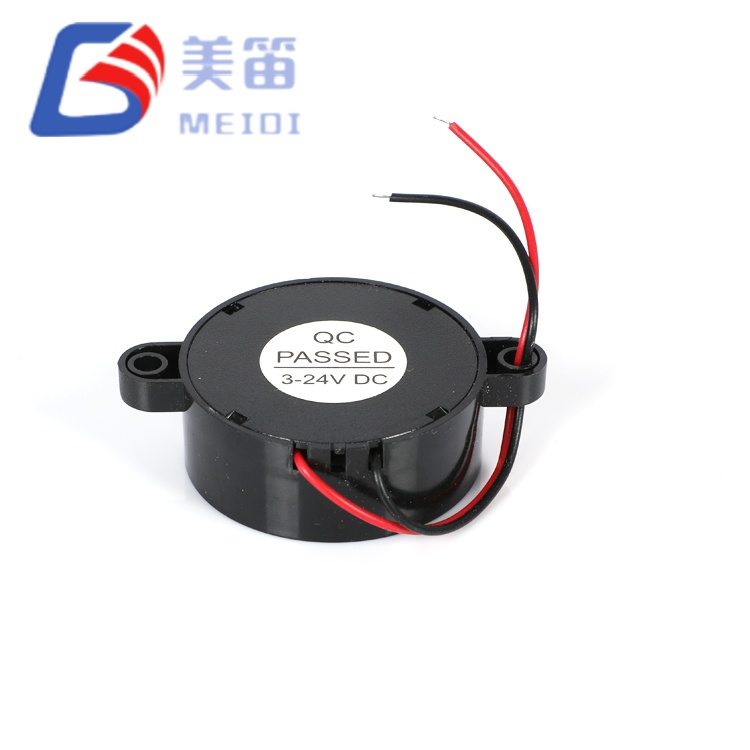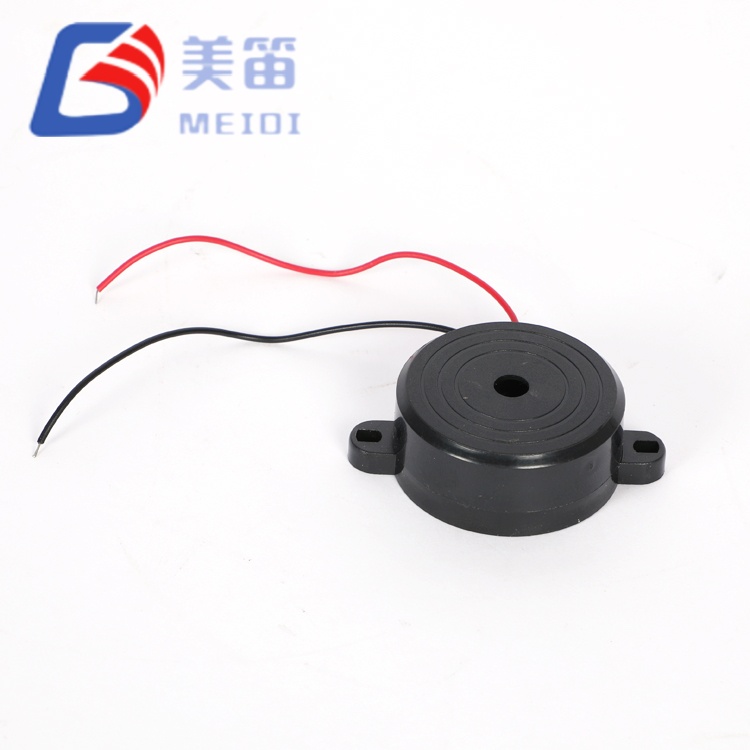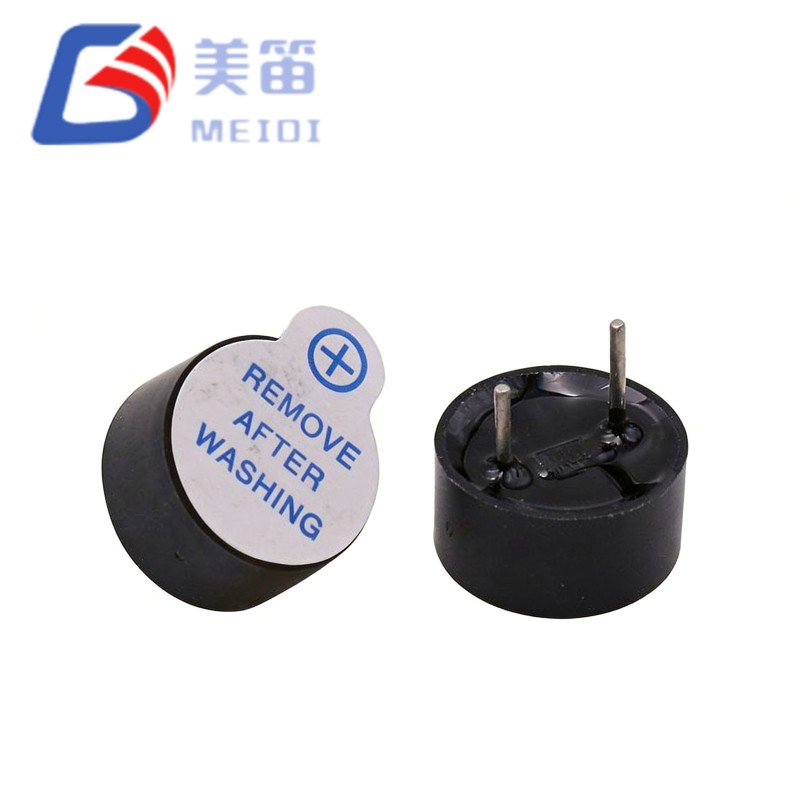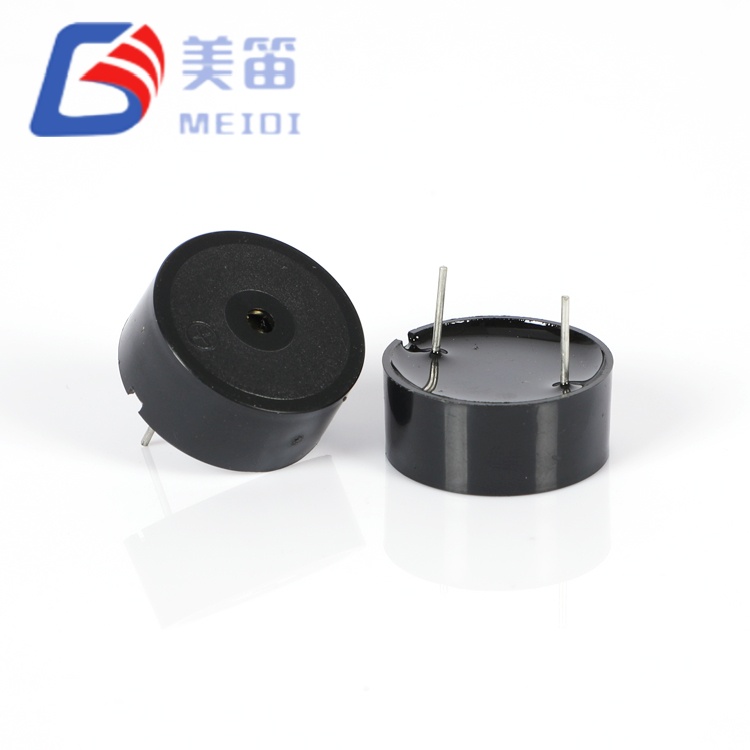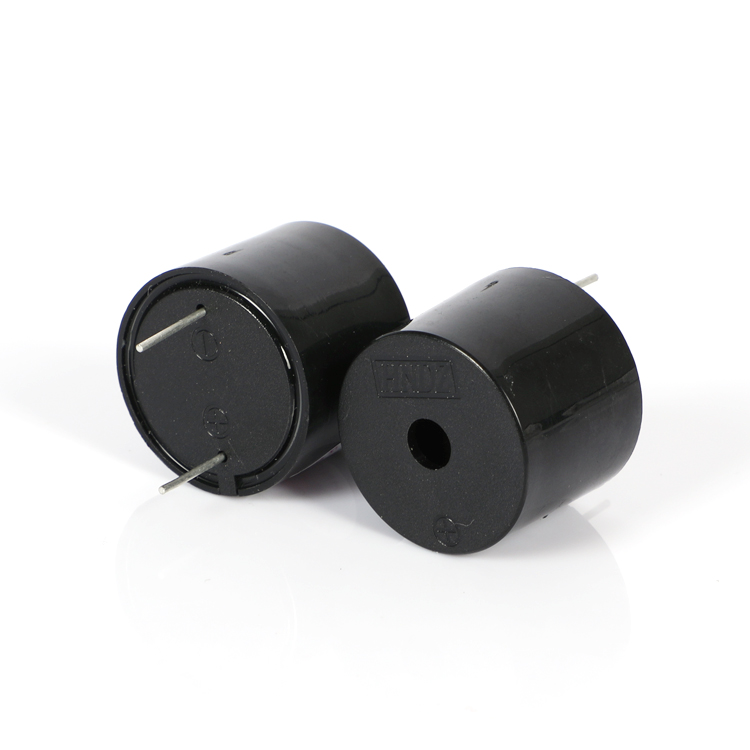
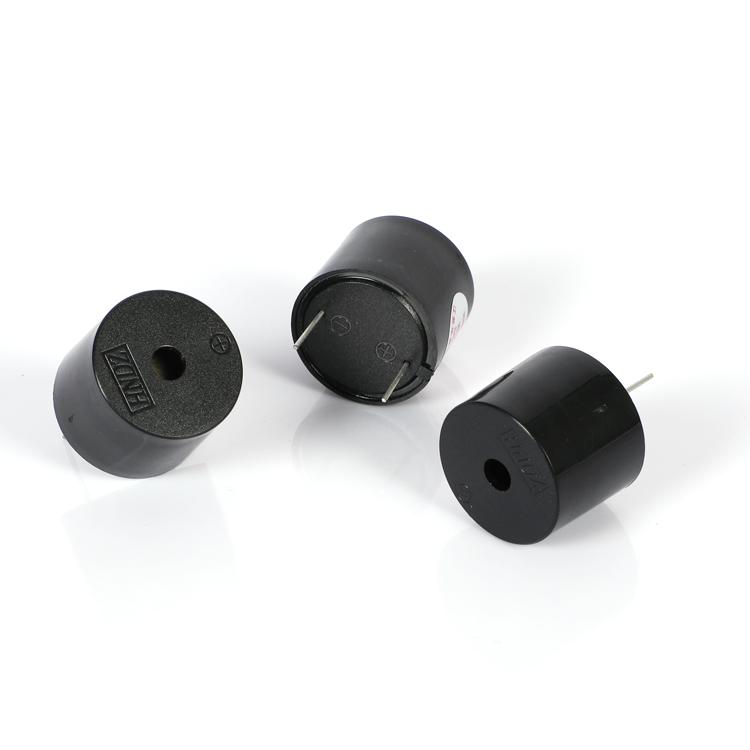
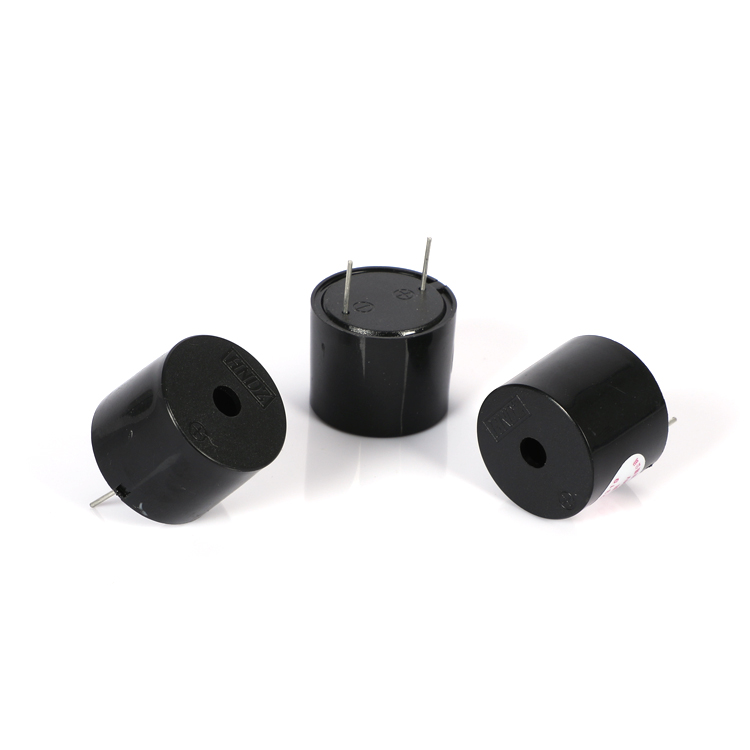
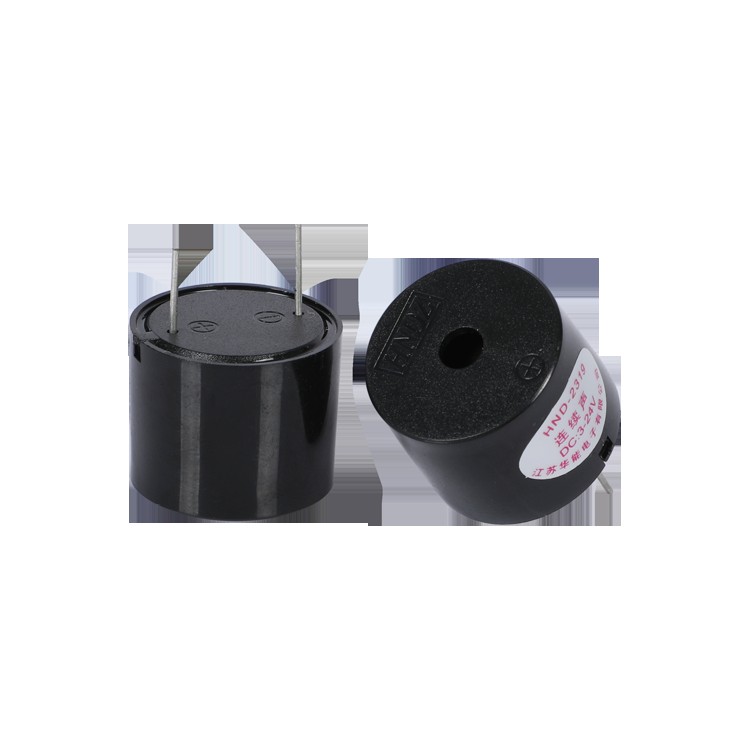
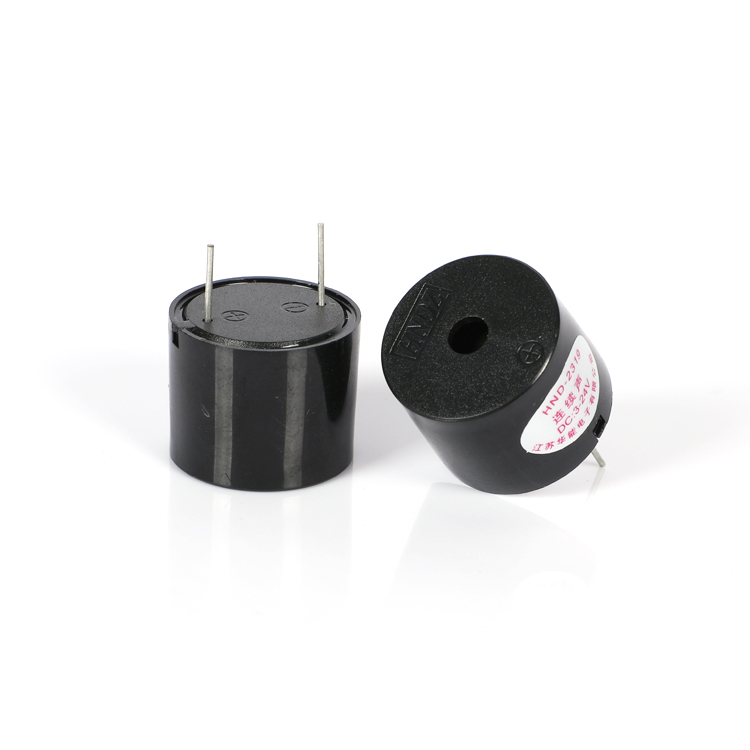
The HND-2319 is a 23 mm‑diameter active piezoelectric buzzer with an integrated drive circuit, housed in a black ABS body. 2319 Active Piezoelectric Buzzer operates across a 3 V to 24 V DC supply range and produces a nominal 3700 Hz tone at the rated 12 VDC. The taller 19 mm housing, compared to 16 mm variants in the same diameter class, provides an enlarged acoustic chamber that contributes to a distinct tonal character. Current consumption is specified at ≤10 mA under the standard 12 Vp‑p, 3700 Hz test condition. With a mass of 5 g and a through‑hole footprint identical to the HND‑2316 series, this buzzer is a practical choice for designs that require a higher alert frequency without altering PCB layout.
Built‑in oscillation circuit — DC voltage directly generates 3700 Hz tone
12 VDC rated, 3–24 VDC operating range
≥90 dB sound output at 10 cm under 12 Vp‑p, 3700 Hz square wave
Current consumption ≤10 mA at rated frequency and voltage
Φ23 × 19 mm black ABS housing, through‑hole mounting, 5 g
The H2319 Active Piezoelectric Buzzer is tuned to a resonant frequency of 3700 ± 500 Hz. This places its output in a higher audible band than the 3000 Hz HND‑2316, making it more suitable for environments where a sharper, more penetrating alert is preferred — such as open‑plan industrial floors or medical stations with competing background noise. The ±500 Hz tolerance band allows for normal production variation while keeping the tone within a consistent perceptual range.
The 19 mm housing height creates a larger internal cavity volume than the 16 mm variant. In piezoelectric buzzer design, cavity volume affects the Helmholtz resonance of the enclosed air mass and can influence both sound pressure level and frequency shaping. While the HND‑2319 and HND‑2316 share the same 23 mm diaphragm diameter, the additional internal volume in the HND‑2319 shifts the acoustic impedance characteristics, contributing to its distinct tonal output.
Both models share identical pin spacing and PCB footprint, allowing designers to evaluate different frequencies without board changes. The 5 g mass is manageable for standard through‑hole solder joints under normal operating vibration levels.
| Parameter | Value | Test Conditions / Notes |
| Product Type | Piezoelectric Active Buzzer | — |
| Rated Voltage | 12 VDC | — |
| Operating Voltage | 3–24 VDC | — |
| Resonant Frequency | 3700 ± 500 Hz | — |
| Sound Output at 10 cm | ≥90 dB | 3700 Hz square wave, 12 Vp‑p |
| Current Consumption | ≤10 mA | 3700 Hz square wave, 12 Vp‑p; test report header may list a different reference value — see Test Report Summary |
| Operating Temperature | -20 ℃ ~ +80 ℃ | Continuous |
| Storage Temperature | -30 ℃ ~ +85 ℃ | Non‑operating |
| Dimensions (Dia × H) | Φ23 ± 0.5 × 19 ± 0.3 mm | Body only; drawing tolerance ±0.5 mm unless specified |
| Weight | 5 g | — |
| Housing Material | Black ABS | — |
| Capacitance | 12 ± 40% nF | Reference value per specification header; not verified per sample |
| Mounting Type | Through‑Hole | Wave / Manual solder |
Industrial machinery status indicators where a 3700 Hz alert cuts through low‑frequency background noise
Medical monitoring equipment requiring a distinct audible alarm separate from 3000 Hz device tones
Security alarm panels and access control systems with through‑hole PCB assembly
Automotive dashboard warnings (door‑open chimes, headlight reminders) using 12 V DC supply
Uninterruptible power supplies and power distribution units operating on 12–24 V DC bus
Consumer appliances and vending equipment benefiting from a higher‑pitched feedback tone
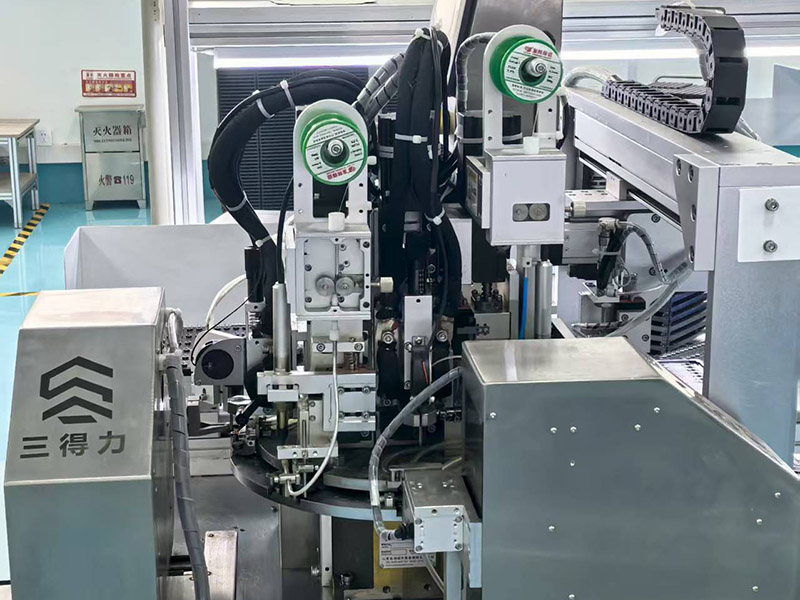
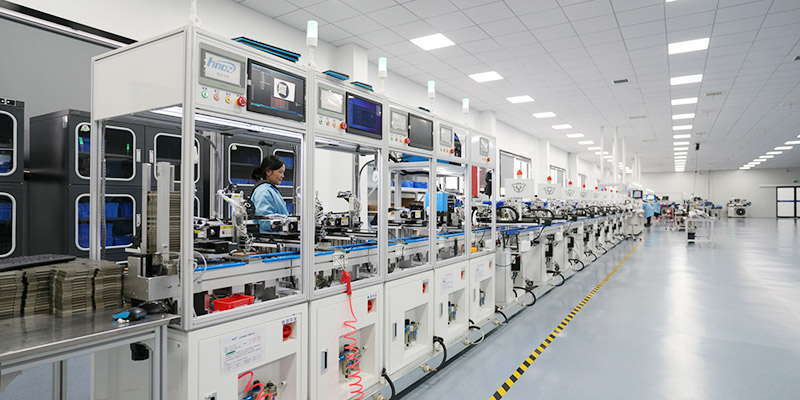
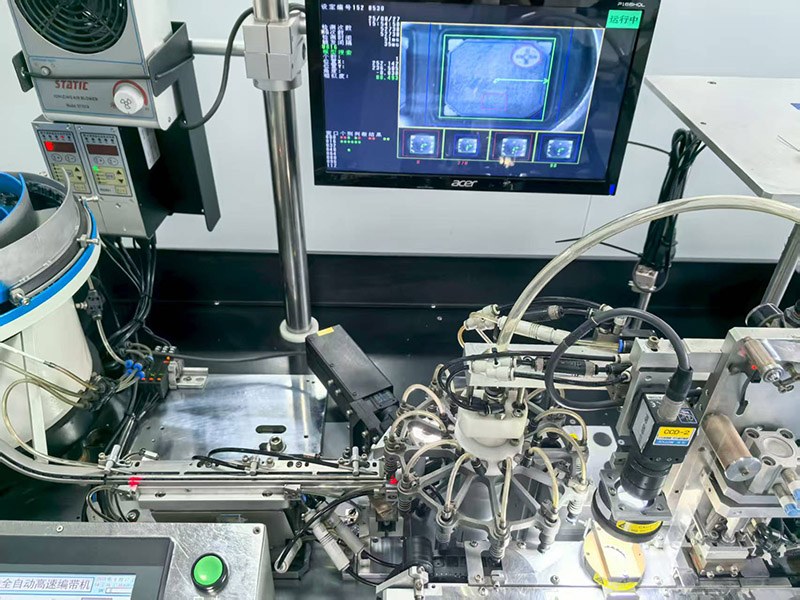
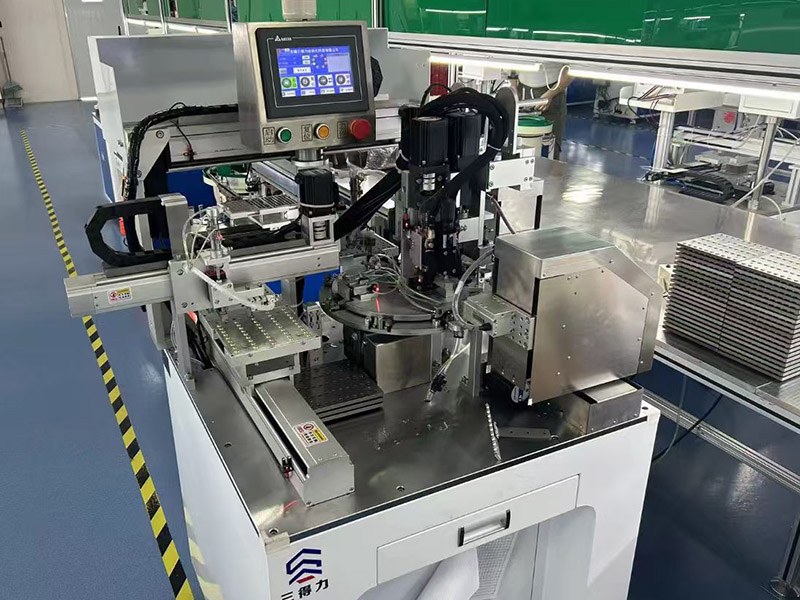
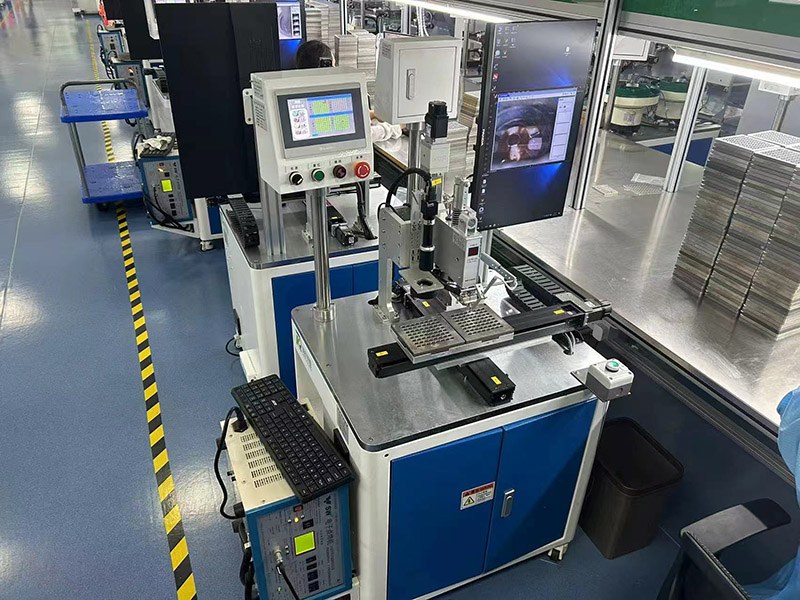
The 2319 Active Piezoelectric Buzzer is assembled in MEIDI's Jiangsu production facility, where the manufacturing flow includes ABS housing injection molding, piezo diaphragm bonding, PCB assembly with the drive circuit, and final ultrasonic welding or mechanical fastening of the enclosure. Automated test stations then measure sound pressure level, resonant frequency, and current consumption for each unit under the specified 12 Vp‑p, 3700 Hz condition.
Each production batch is sampled for a seven‑item reliability sequence: humidity exposure, high‑temperature storage, low‑temperature storage, thermal cycling, drop testing, vibration endurance, and solder heat resistance. Test parameters are aligned with the HND‑2319's 3700 Hz frequency and 19 mm housing specification. These tests are part of MEIDI's ISO 9001 quality system and are designed to verify performance stability under the environmental stresses typically encountered in shipping, storage, and end‑use operation.
A ten‑sample test report for model HND‑2319 is available. The test was conducted with a 12 Vp‑p square wave at 3700 Hz. Measured SPL values range from 99 dB to 105 dB, all exceeding the ≥90 dB minimum. Current readings range from 5.00 mA to 5.33 mA, which is below the ≤10 mA specification in the parameter table. Frequency measurements fall between 3620 Hz and 3780 Hz, within the 3700 ± 500 Hz window. Dimensional checks confirm compliance with Φ23 × 19 mm design tolerances.
Note: The test report header references a current limit of ≤15 mA, which differs from the ≤10 mA value stated in the product parameter table. For the correct current specification applicable to your order, contact MEIDI with your requirements. Sample data illustrates typical distribution and does not constitute a guaranteed performance range.
| Sample | SPL (dB) | Current (mA) | Frequency (Hz) | Diameter (mm) | Height (mm) |
| 1 | 102 | 5.00 | 3650 | 22.92 | 19.01 |
| 2 | 99 | 5.25 | 3720 | 22.97 | 19.03 |
| 3 | 103 | 5.30 | 3680 | 23.01 | 19.10 |
| 4 | 101 | 5.26 | 3750 | 22.98 | 19.09 |
| 5 | 102 | 5.31 | 3700 | 23.03 | 19.05 |
| 6 | 102 | 5.27 | 3620 | 23.05 | 18.99 |
| 7 | 104 | 5.31 | 3780 | 22.98 | 19.01 |
| 8 | 105 | 5.33 | 3690 | 22.88 | 19.02 |
| 9 | 103 | 5.10 | 3710 | 23.00 | 18.98 |
| 10 | 102 | 5.13 | 3660 | 23.01 | 19.01 |
Conclusion: PASS. Appearance, polarity, and tape direction conform to specification.
1. Operate strictly within the 3–24 VDC range. Voltage beyond this may cause permanent damage to the internal oscillation circuit.
2. This product is not sealed. Avoid water, flux residue, or adhesive ingress through the sound port, which can alter frequency response and reduce output.
3. Exposure to corrosive gases or high humidity may degrade the piezo element and brass contacts over time. Store and operate in controlled environments.
4. Sound pressure level depends on supply voltage and source current capability. Verify your drive circuit can deliver sufficient current under load.
5. Keep the front acoustic port clear. Obstructions, baffles, or tightly fitted covers will reduce SPL and shift the effective frequency.
6. Store in original desiccated packaging until assembly to prevent moisture absorption and pin oxidation.
1. How does the HND-2319 differ from the HND-2316 in the MEIDI lineup?
The 2319 Active Piezoelectric Buzzer is tuned to 3700 ± 500 Hz with a 19 mm housing height, while the HND‑2316 operates at 3000 ± 500 Hz with a 16 mm height. Both share the same 23 mm diameter, 12 VDC rating, 3–24 VDC operating range, and through‑hole footprint. The primary differences are frequency band and vertical clearance.
2. What is the significance of the 3700 Hz resonant frequency?
The 3700 Hz tone occupies a higher audible band than 3000 Hz, making it perceptually sharper. This can be advantageous in noisy environments or applications where multiple buzzers need distinct frequency separation. Frequency sweep data can be provided upon request.
3. Why does the test report show current ≤15 mA while the parameter table states ≤10 mA?
The discrepancy between the test report header (≤15 mA) and the product parameter table (≤10 mA) is a documentation inconsistency. Measured sample values are consistently around 5 mA. Contact MEIDI to confirm the correct specification for your procurement.
4. What vertical clearance is required for the HND-2319?
The body height is 19.0 ± 0.3 mm. Additional space should be allowed for through‑hole lead protrusion and solder fillets. Detailed mechanical drawings are available from MEIDI.
5. Can I swap the HND-2319 into an existing HND-2316 footprint?
Yes. Pin spacing and PCB hole pattern are identical. The only physical change is the 3 mm increase in height. Verify that your enclosure accommodates the taller profile before substitution.
6. Why does the test report use a square wave for an active buzzer?
The HND‑2319 is designed for DC operation with built‑in oscillation. The 12 Vp‑p square wave is the standardized characterization condition used in the test report. DC‑drive performance data is available separately.
For complete datasheets, frequency characterization curves, current specification clarification, or PCB footprint drawings for the HND‑2319, contact MEIDI with your application details. Engineering support typically responds within one business day.
Address
No.6, Wenlin Road, Chenbao Town, Xinghua City, Jiangsu Province, China
Tel