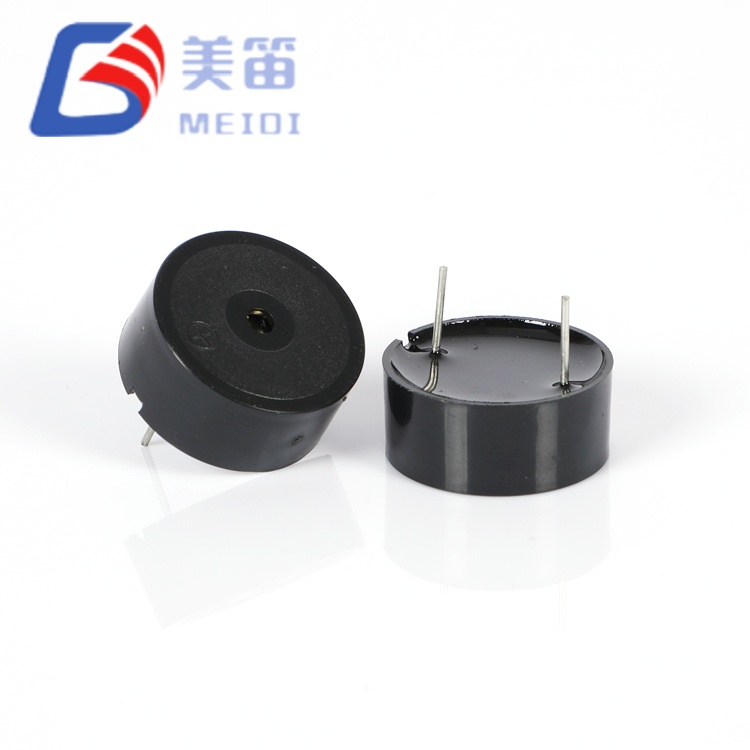
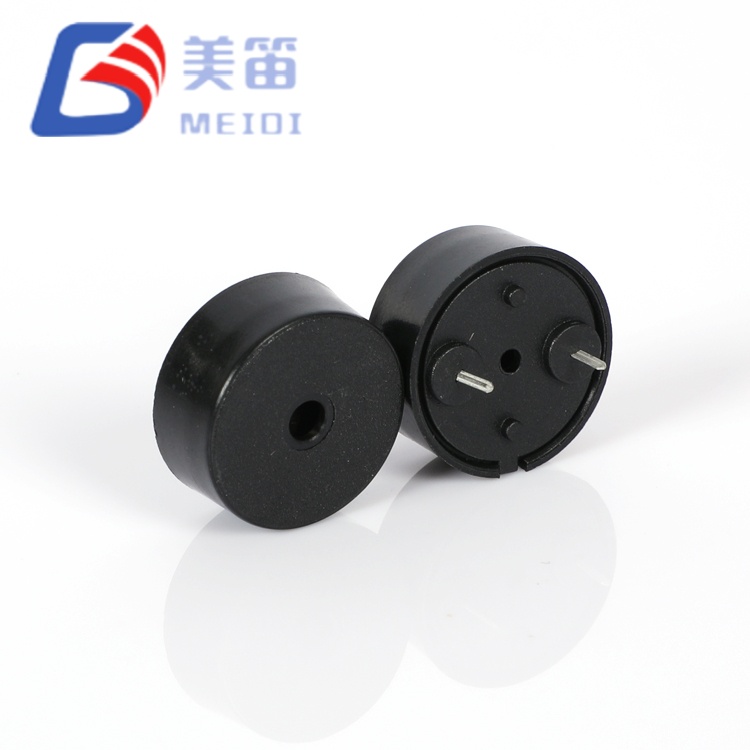
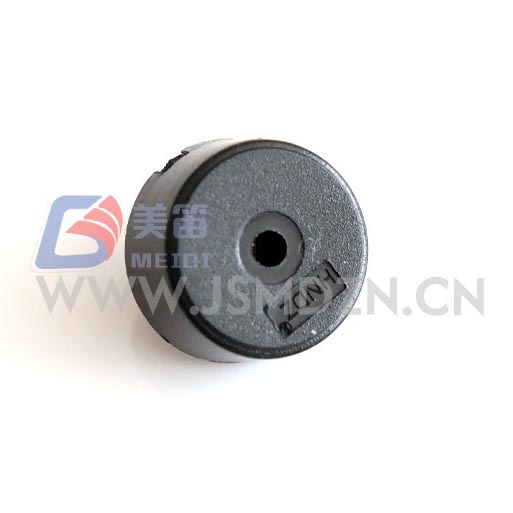
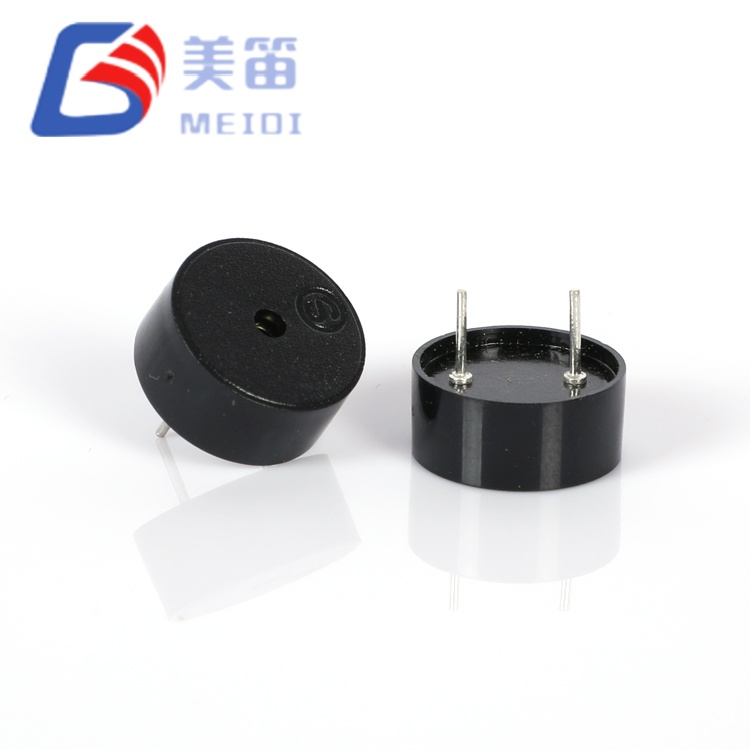
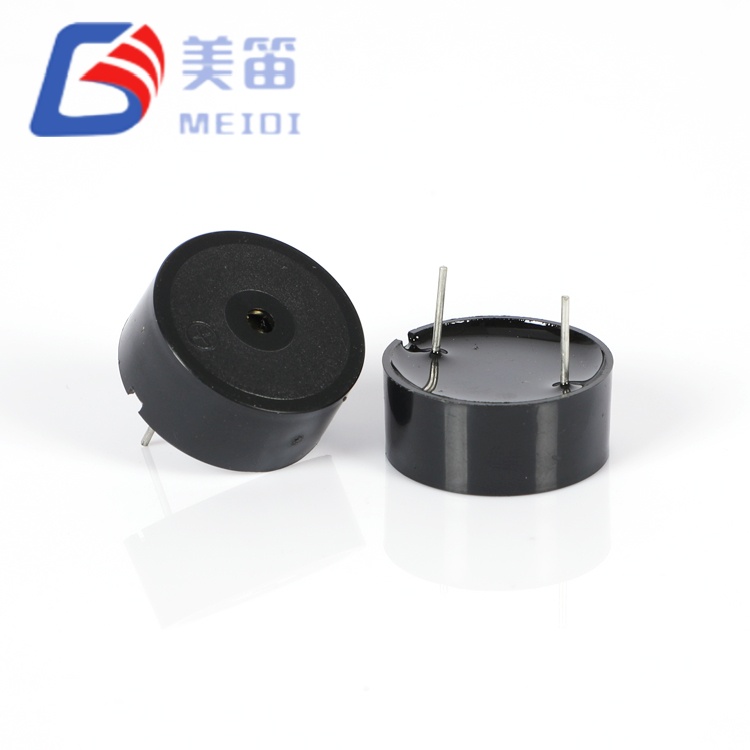
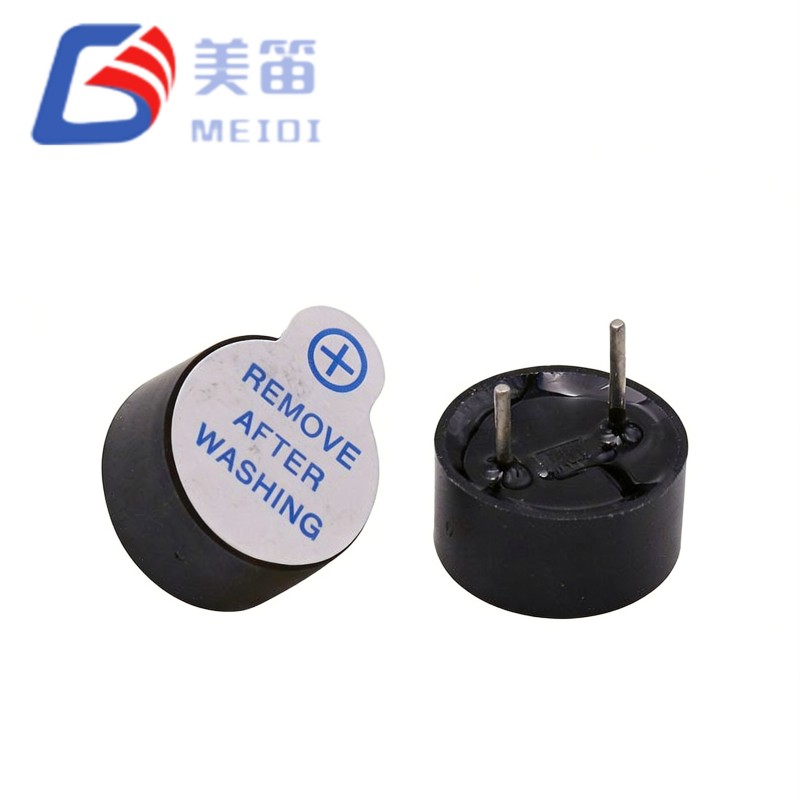
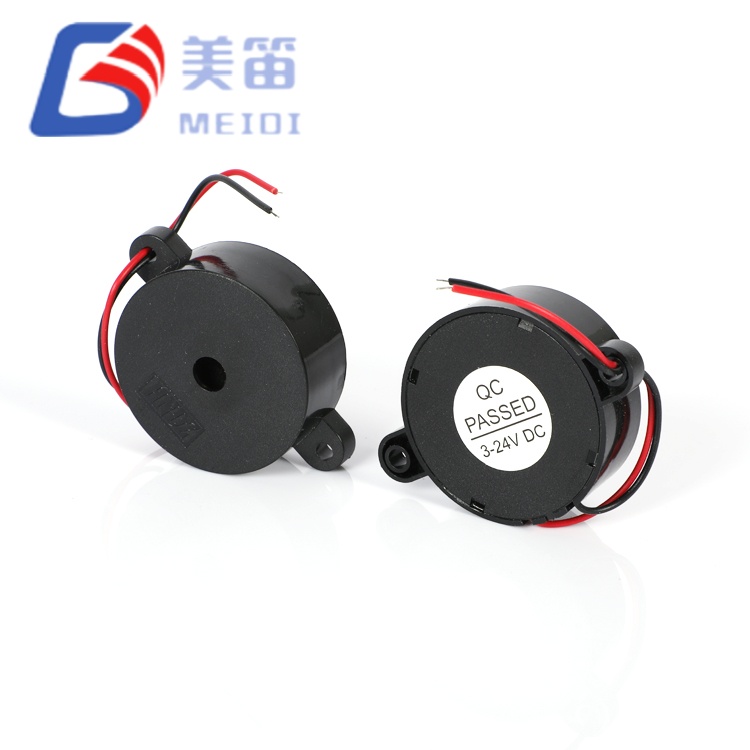
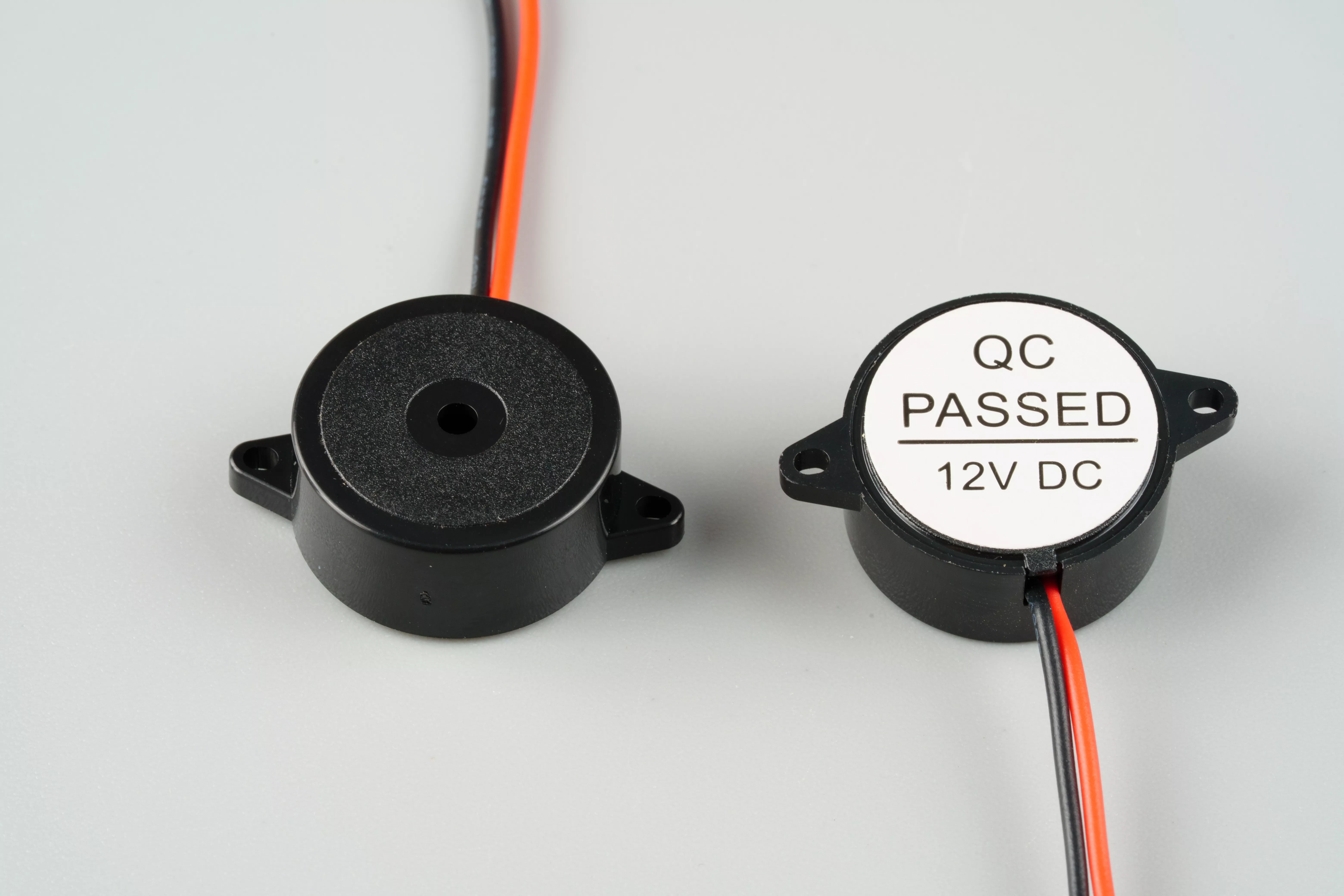
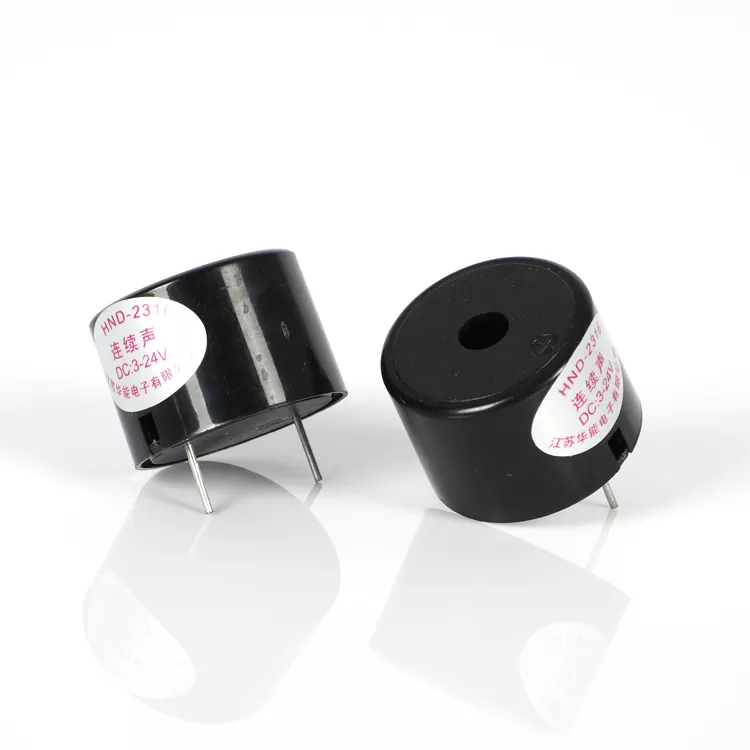
Jiangsu Meidi's professional R&D team develops high-precision, low-power passive piezoelectric buzzers with comprehensive quality control and complete customization capabilities for frequency, dimensions, and environmental specifications. In-house ceramic processing, electrode printing, and acoustic characterization allow the engineering group to fine‑tune resonant behaviour and capacitance values to match specific drive circuit requirements. For OEM projects, rapid prototyping and pre‑production samples are supported by batch‑level test data.
Passive piezoelectric buzzers leverage advanced ceramic transducer technology to deliver clear acoustic output with minimal energy consumption and full design control over the sound output. These versatile components are used extensively in automotive electronics, medical equipment, high‑end security systems, portable consumer electronics, and outdoor industrial control applications where programmable sound patterns are required.
The piezoelectric ceramic element generates acoustic waves through mechanical vibration when an external AC signal is applied. This principle provides a high‑frequency response and stable performance across a wide temperature range when compared to electromagnetic alternatives. The thin, lightweight construction enables integration into space‑constrained designs without compromising acoustic performance.
Engineers can drive these buzzers with various waveforms to create distinctive alert tones, musical sequences, or complex sound patterns tailored to specific product requirements. With minimal current consumption and an extended operational lifespan, passive piezoelectric buzzers are a practical choice for battery‑powered and environmentally demanding applications.
A passive piezoelectric buzzer does not contain an oscillator. Sound is produced only when the host circuit supplies an alternating voltage, typically a square wave or PWM signal, at the mechanical resonant frequency of the ceramic element. This resonant point, usually between 2 kHz and 6 kHz, is set during manufacturing by the ceramic disc thickness, diameter, and substrate stiffness. Driving the buzzer exactly at resonance yields the loudest output, but varying the frequency slightly can create different pitch effects. The amplitude of the drive voltage controls the volume, and a series resistor can be included to limit peak currents through the capacitive load.
Because the waveform is generated externally, a single microcontroller output can drive several passive piezoelectric buzzers in parallel, or the same buzzer can be made to emit different tone sequences. This flexibility is not available with an Active Piezoelectric Buzzer, which contains a fixed internal oscillator and emits a single tone when powered. For designs that need a higher‑pitch tone than an electromagnetic buzzer can provide, a passive piezoelectric unit is often combined with a Magnetic Passive Buzzer to cover both low and high frequency alerts from the same control board.
Both piezoelectric and electromagnetic passive buzzers require an external drive signal, but their acoustic characters differ. Piezoelectric types naturally resonate at higher frequencies, typically 2 kHz to 6 kHz, and produce a sharp, penetrating tone with low current draw. Electromagnetic passive buzzers operate at lower frequencies, often 200 Hz to 3 kHz, and produce a warmer, fuller sound. The piezoelectric version is often preferred in battery‑operated devices due to its negligible standby current and high efficiency at high frequencies. When surface‑mount assembly is required, an SMD Piezoelectric Passive Buzzer offers the same external‑drive characteristics in a reflow‑compatible package.
MEIDI's passive piezoelectric buzzers can be customised for resonant frequency, capacitance, substrate material, and termination style. The engineering team uses in‑house ceramic formulation and electrode patterning to adjust the acoustic response within a practical range. For volume production, samples are supplied with a characterisation report covering frequency response, sound pressure level, and impedance, so the performance can be verified in the target enclosure before finalising the design. The ISO 9001 certified process also includes periodic reliability tests such as thermal cycling, humidity storage, and vibration endurance.
Q: What waveform types can be used to drive your passive piezoelectric buzzers?
A: Engineers can use square waves, sine waves, or PWM pulse trains. The waveform shape influences the harmonic content of the sound, but a square wave at the resonant frequency typically produces the highest sound pressure level. The peak‑to‑peak voltage must stay within the buzzer's rated operating range to avoid depoling the ceramic.
Q: Can a passive piezoelectric buzzer be driven directly from a microcontroller pin?
A: Yes, as long as the pin voltage falls within the buzzer's operating range and the microcontroller can source the required current. For louder output or when using low‑voltage logic, a transistor buffer is recommended to increase the drive amplitude.
The table below lists all standard specifications of products in this series. Customized solutions are available upon your request; please feel free to contact us for further customization requirements.
| Model | Product Image | Rated Voltage (Vp-p) | Operating Voltage (Vp-p) | Sound Pressure Level @10cm (dB) | Operating Current (mA) | Resonant Frequency (Hz) | Operating Temperature (℃) | Weight (g) | Dimensions (mm) |
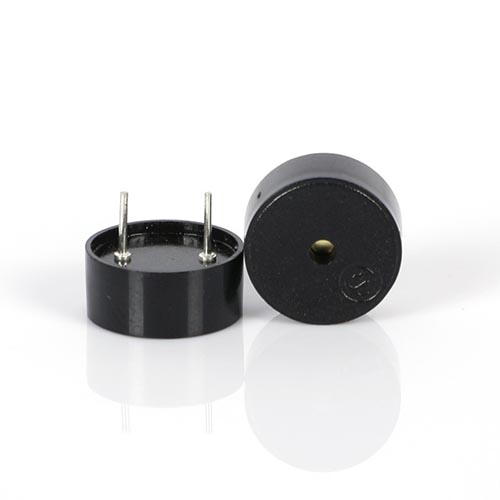
| HNR-1255 PA6.5 |
|
5 | 1~30 | ≥80 @4000Hz 5Vp-p | ≤10 @4000Hz 5Vp-p | 4000±500 | -20~+70 | 0.60±0.2 | Ø12.5×5.5 |
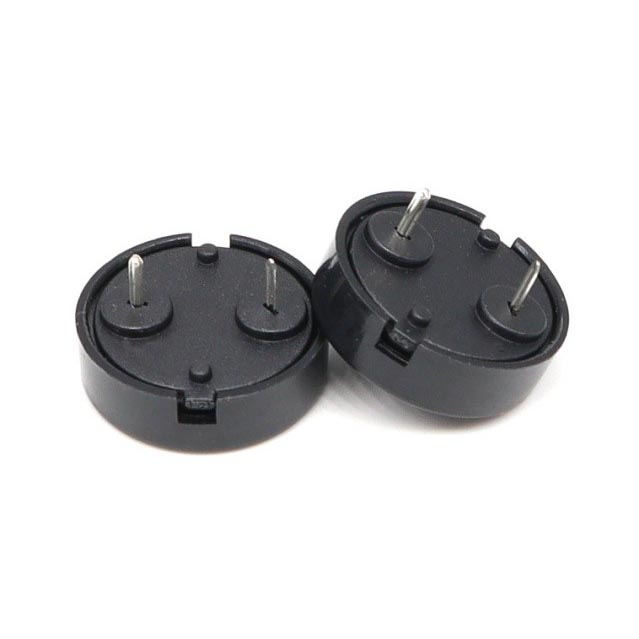
| HNR-1404 |
|
5 | 1~30 | ≥70 @4000Hz 5Vp-p | ≤5 @4000Hz 5Vp-p | 4000 | -20~+60 | 0.45±0.1 | Ø13.0×2.5 |
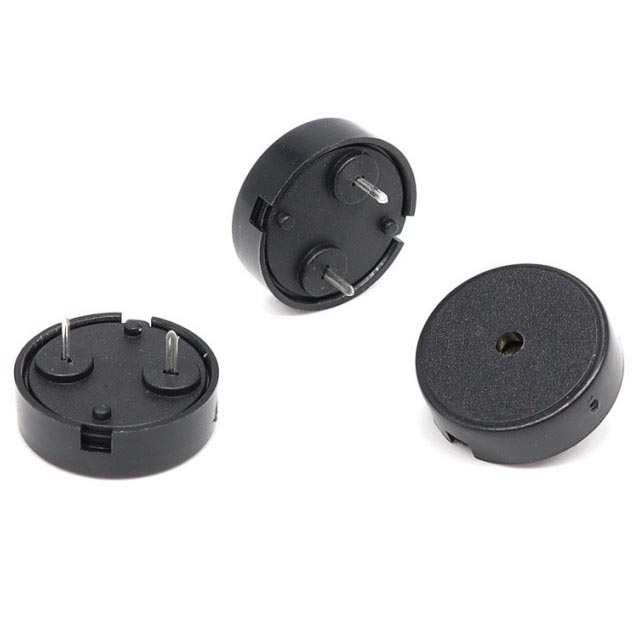
| HNR-1404 PA7.5 |
|
5 | 1~30 | ≥80 @4000Hz 5Vp-p | ≤10 @4000Hz 5Vp-p | 4000 | -20~+70 | 0.67±0.1 | Ø13.8×4.0 |
| HNR-1708 PA10 |
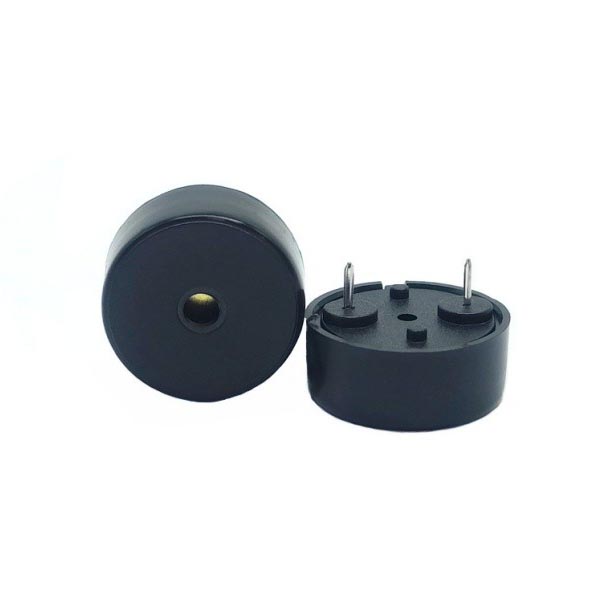
|
12 | 1~30 | ≥75 @2000Hz 12Vp-p | ≤5 @2000Hz 12Vp-p | 2000±500 | -20~+70 | 1.4 | Ø17.0×8.0 |
| HNR-1708 |
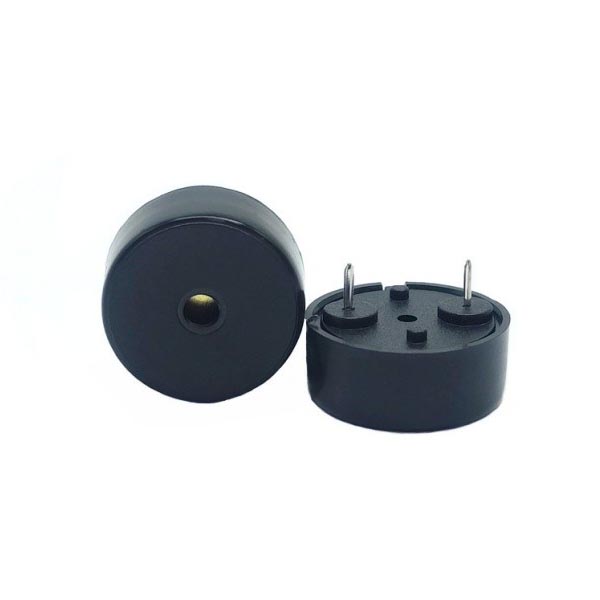
|
12 | 1~30 | ≥85 @3000Hz 12Vp-p | ≤5 @3000Hz 12Vp-p | 3000±500 | -20~+70 | 1 | Ø17.0×8.0 |
| HNR-2207 |
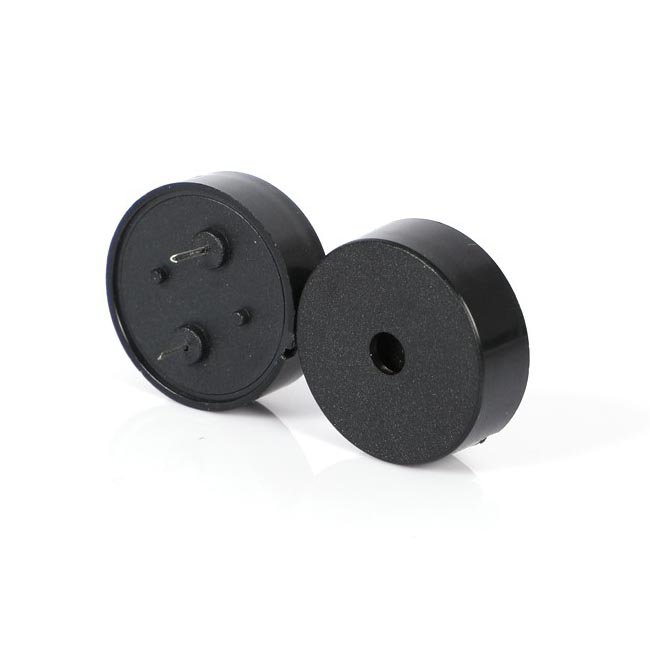
|
12 | 1~30 | ≥85 @3500Hz 12Vp-p | ≤8 @3500Hz 12Vp-p | 3500±500 | -20~+70 | 3 | Ø23.0×9.8 |
| HNR-2310A |
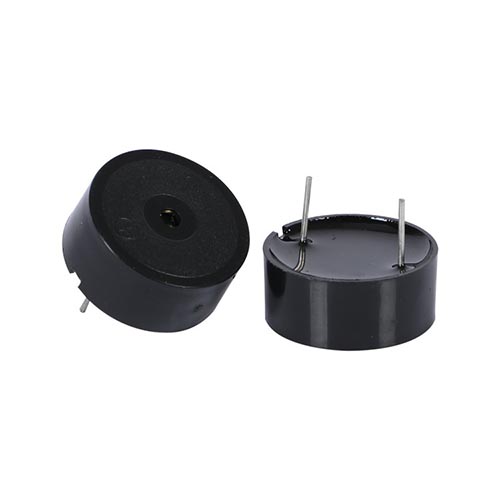
|
12 | 1~30 | ≥85 @3500Hz 12Vp-p | ≤8 @3500Hz 12Vp-p | 3500±500 | -20~+70 | 3 | Ø23.0×9.8 |