Article Summary
A Passive Piezoelectric Buzzer is a compact and efficient sound component widely used in electronic devices that require reliable audio feedback. Unlike active buzzers, passive piezoelectric buzzers require an external driving signal to generate sound, allowing engineers to achieve flexible tone control, lower power consumption, and improved product design freedom. This article explains how passive piezoelectric buzzers work, their advantages, applications, selection considerations, and how MEIDI provides dependable solutions for different industries.
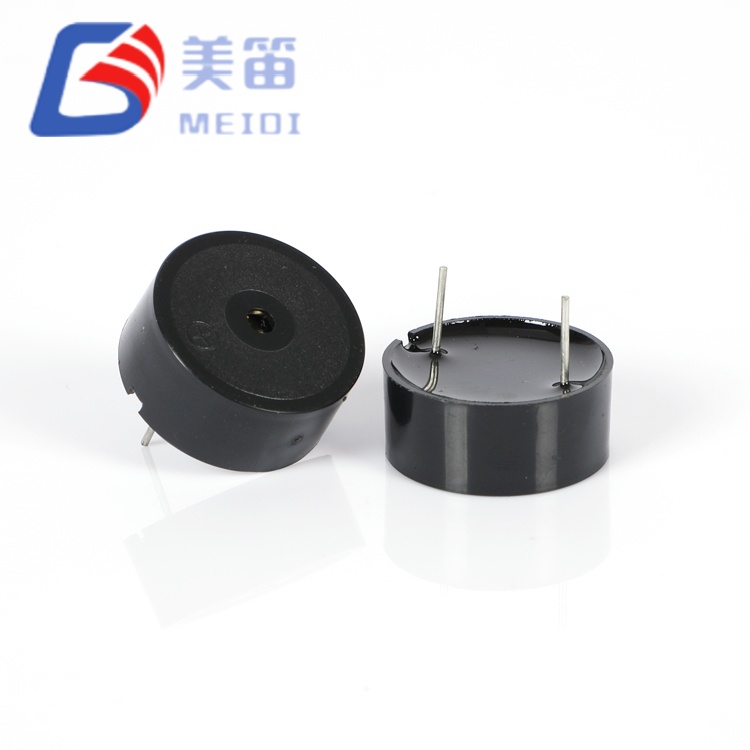
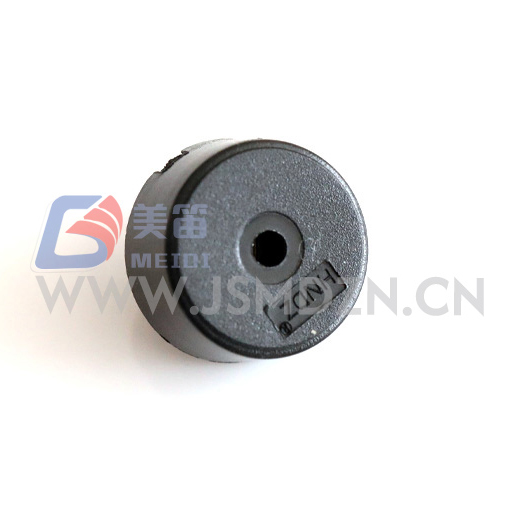
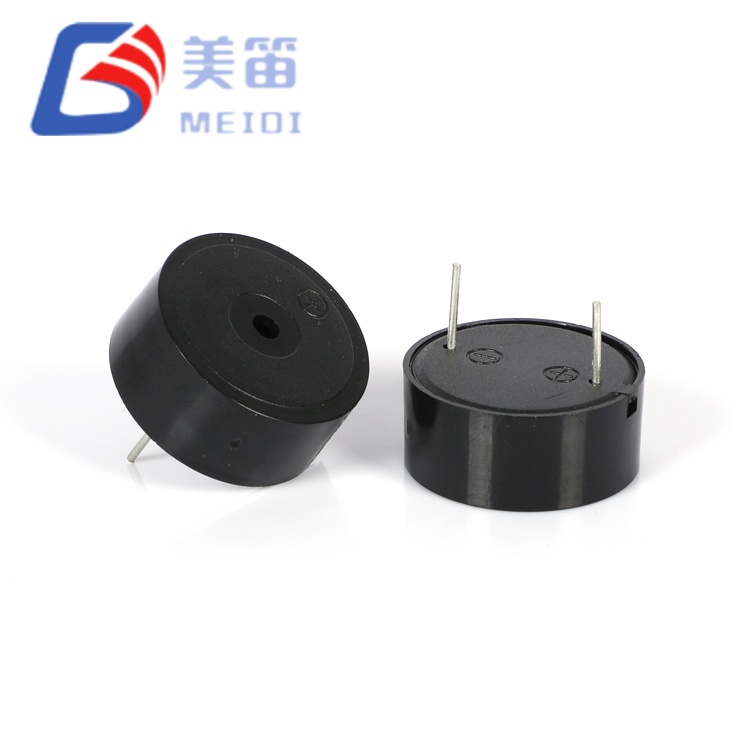
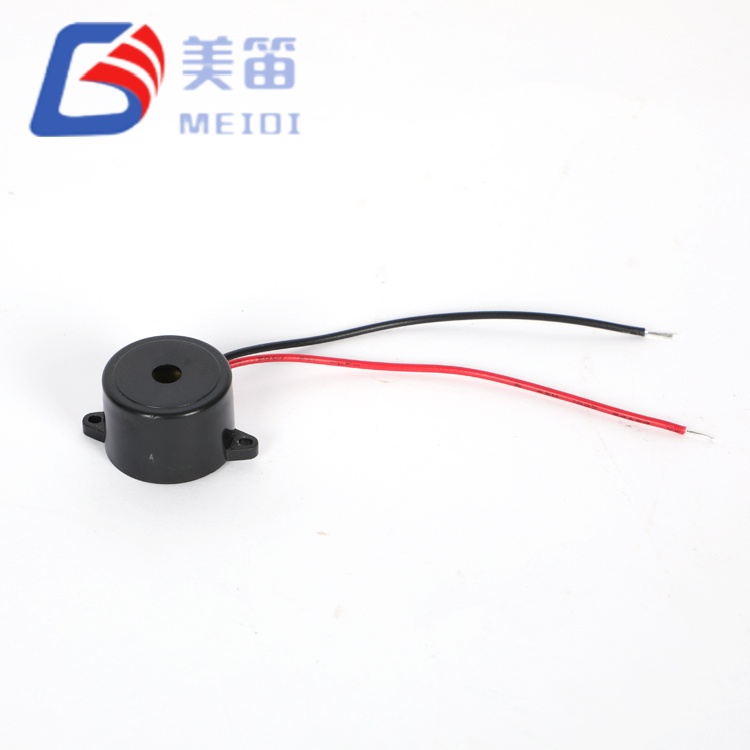
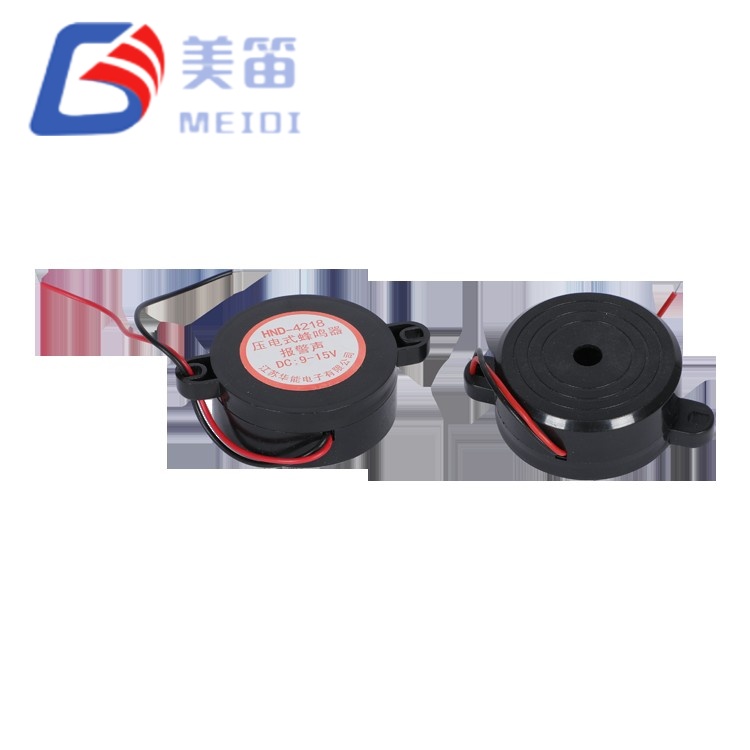
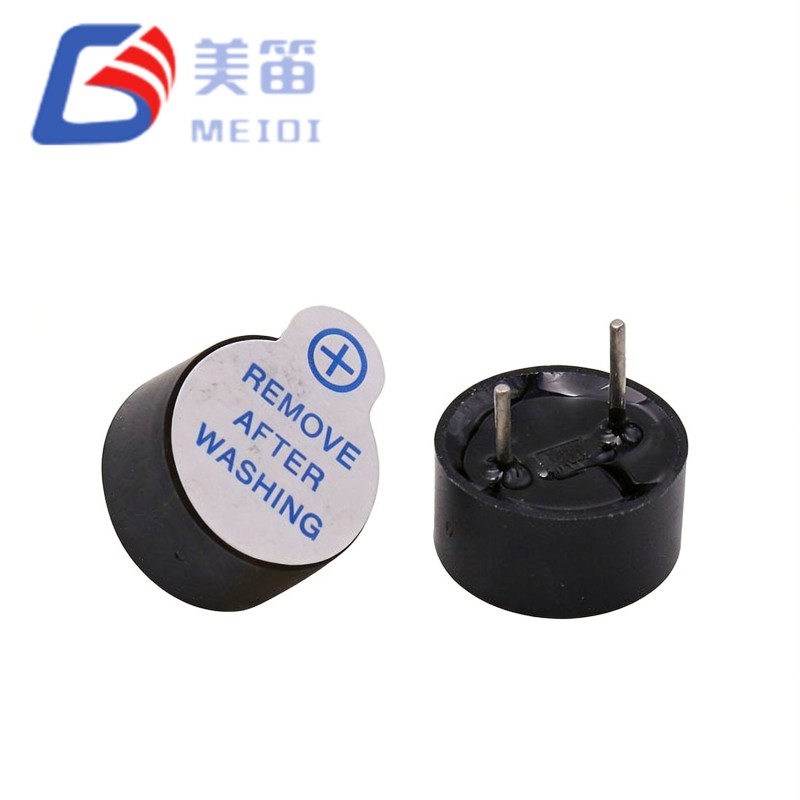
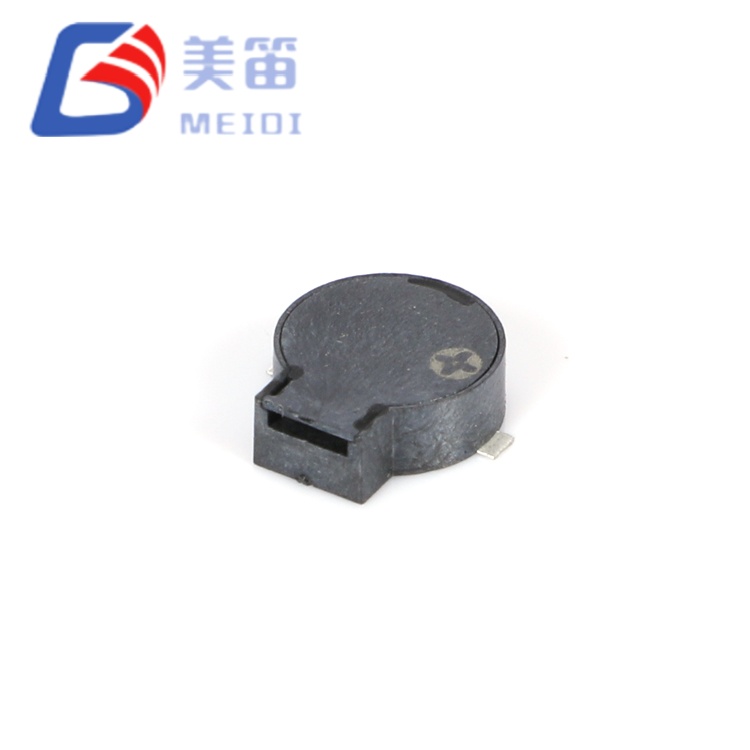
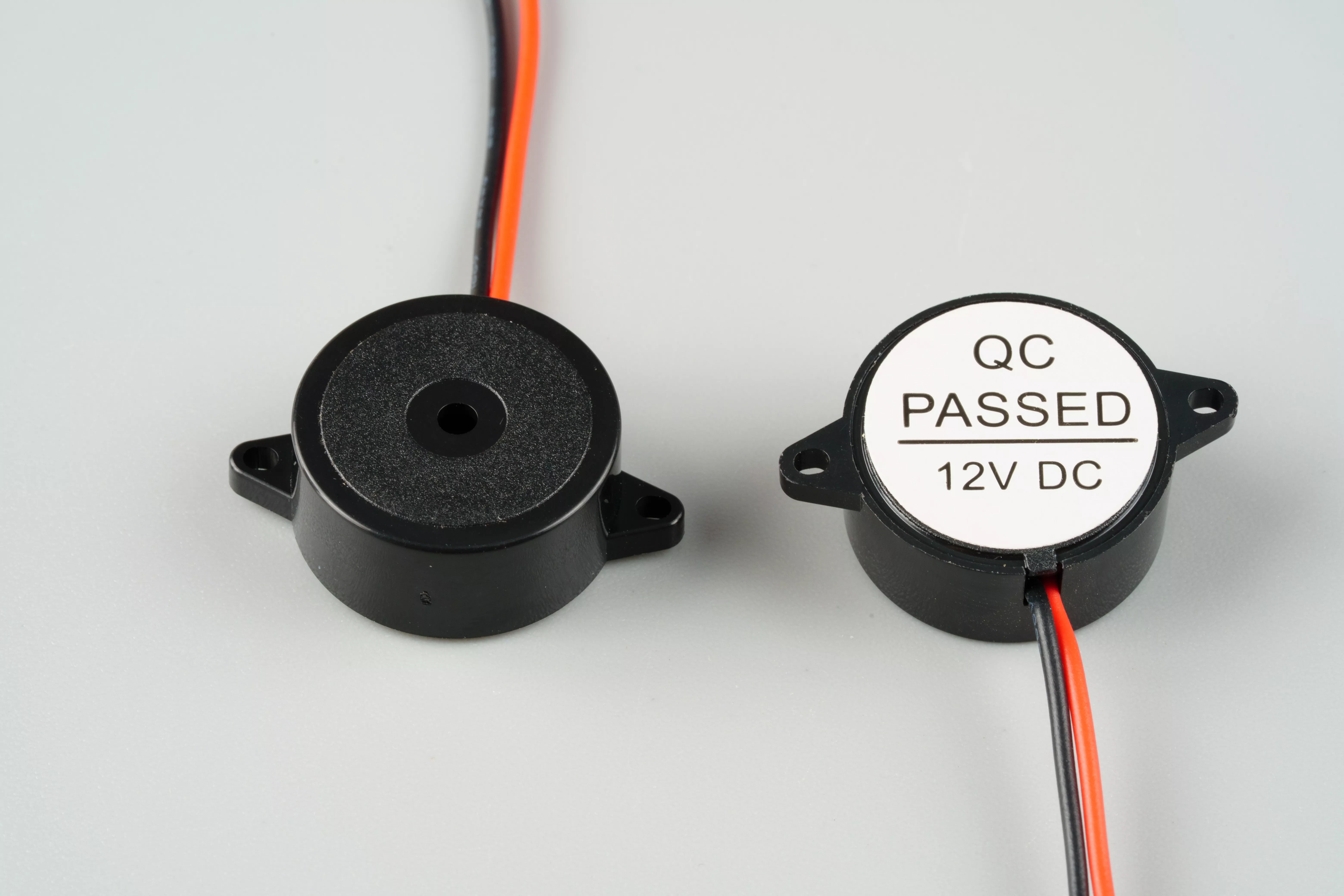
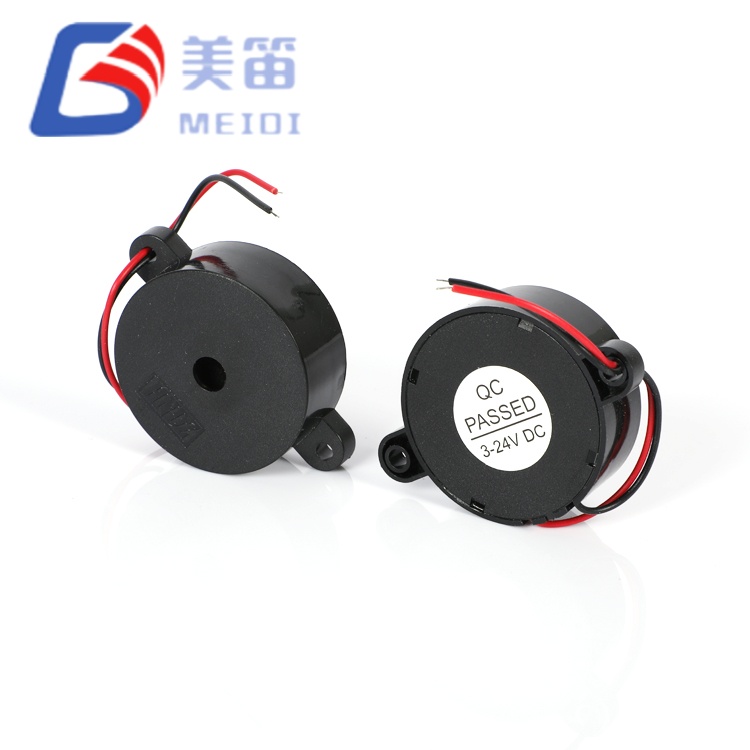
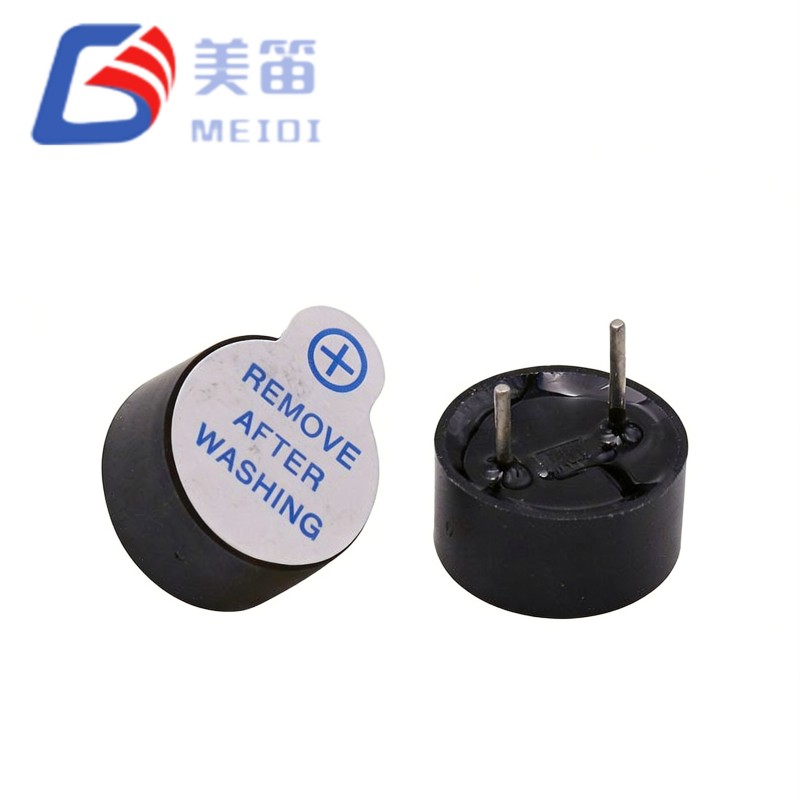
A Passive Piezoelectric Buzzer is an electronic acoustic component that converts electrical signals into sound through the vibration characteristics of piezoelectric materials. It does not contain an internal oscillation circuit, meaning it depends on an external control circuit to provide frequency signals. This design gives engineers greater control over sound frequency, rhythm, and alarm patterns.
Compared with traditional electromagnetic sound devices, passive piezoelectric buzzers offer advantages such as compact structure, low energy consumption, fast response, and stable operation. They are especially suitable for modern electronic products where space, efficiency, and reliability are important factors.
MEIDI specializes in developing and manufacturing electronic buzzers, including piezoelectric buzzer solutions designed for communication equipment, household appliances, automobiles, electronic instruments, security systems, and many other applications.
The working principle of a passive piezoelectric buzzer is based on the piezoelectric effect. When an alternating electrical signal is applied to the piezoelectric ceramic element inside the buzzer, the material expands and contracts repeatedly. These mechanical movements create vibrations, which generate audible sound waves.
The frequency of the input electrical signal directly affects the output sound. By adjusting the frequency, designers can create different tones, melodies, or warning sounds according to product requirements.
| Component | Function |
|---|---|
| Piezoelectric Ceramic Element | Converts electrical energy into mechanical vibration |
| Resonance Chamber | Amplifies vibration and improves sound output |
| Housing Structure | Protects internal components and maintains durability |
| Electrical Terminals | Connects the buzzer with the external driving circuit |
Because passive piezoelectric buzzers rely on external signals, they can be integrated with microcontrollers, PCB circuits, and intelligent control systems. This flexibility makes them popular in products requiring customized sound feedback.
Manufacturers today face challenges including limited installation space, strict energy efficiency requirements, and the need for reliable user feedback. Passive piezoelectric buzzers help solve these problems through their efficient design and adaptable performance.
For designers developing smart devices, medical equipment, consumer electronics, or industrial controllers, selecting a suitable passive piezoelectric buzzer can improve product usability and customer experience.
Passive piezoelectric buzzers are widely applied in industries where clear sound notifications are required. Their small size and efficient operation make them suitable for various electronic products.
| Industry | Application Examples |
|---|---|
| Automotive Electronics | Dashboard alerts, safety reminders, control system feedback |
| Household Appliances | Microwave ovens, washing machines, air conditioners, smart devices |
| Medical Equipment | Monitoring devices, testing instruments, patient notification systems |
| Communication Equipment | Signal indicators, operation confirmation sounds |
| Security Systems | Alarm devices, access control systems, warning equipment |
The ability to generate different sound frequencies makes passive piezoelectric buzzers especially valuable for intelligent products requiring multiple audio instructions.
Choosing the correct buzzer requires consideration of electrical specifications, installation conditions, and application requirements. Selecting an unsuitable model may result in insufficient sound output, unstable operation, or unnecessary energy consumption.
Professional manufacturers can provide customized solutions according to different product designs. MEIDI works with customers to develop suitable buzzer configurations for various electronic applications.
| Feature | Passive Piezoelectric Buzzer | Active Buzzer |
|---|---|---|
| Sound Generation | Requires external frequency signal | Contains internal oscillator |
| Control Flexibility | High, supports different tones | Limited to preset sound |
| Power Efficiency | Generally low power consumption | Depends on internal circuit design |
| Application | Smart electronics and programmable devices | Simple alarm and notification products |
The choice between passive and active buzzers depends on product requirements. When sound customization and intelligent control are priorities, passive piezoelectric buzzers provide greater advantages.
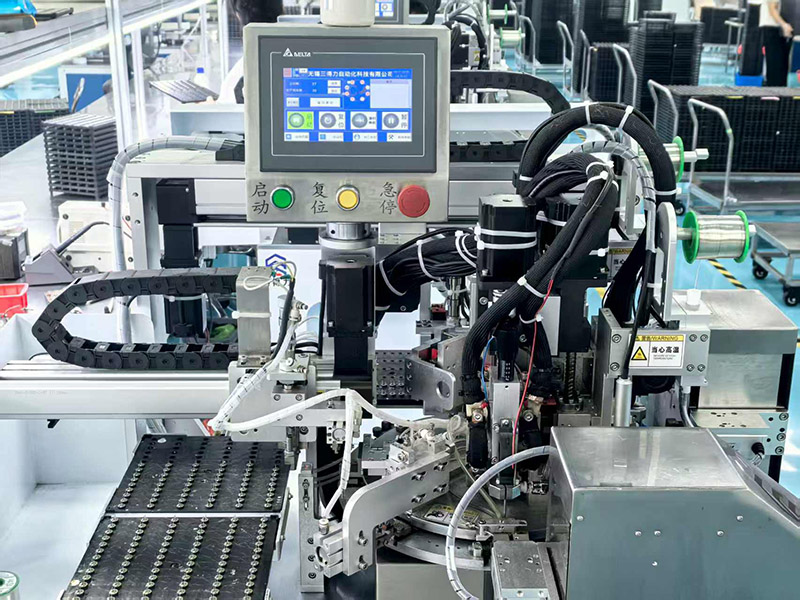
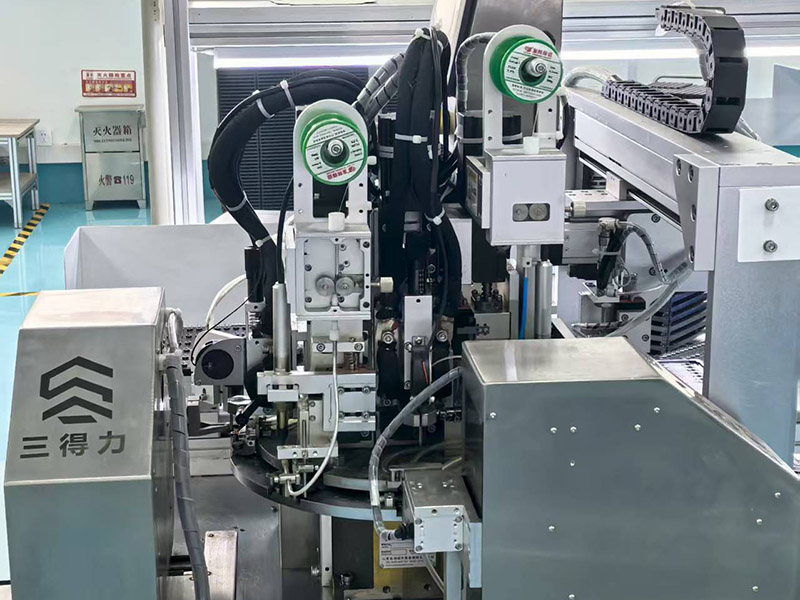
A high-quality buzzer requires precise manufacturing processes, strict material selection, and consistent quality control. MEIDI focuses on producing dependable electronic sound solutions by combining manufacturing experience, engineering capability, and customer-oriented service.
The company continuously improves production processes and product performance to meet the requirements of different industries. From compact electronic devices to industrial applications, MEIDI provides buzzer products designed for stable operation and long service life.
Customers choosing MEIDI benefit from professional technical support, customized product options, and reliable supply capabilities for different application scenarios.
Q1: What is the main difference between a passive piezoelectric buzzer and an active buzzer?
A passive piezoelectric buzzer requires an external driving signal to create sound, while an active buzzer contains an internal circuit that generates sound automatically when powered.
Q2: Can a passive piezoelectric buzzer produce different sounds?
Yes. Because the sound depends on the external frequency signal, designers can adjust tones, patterns, and melodies according to product requirements.
Q3: Are passive piezoelectric buzzers suitable for battery-powered devices?
Yes. Their low power consumption makes them suitable for portable electronics, smart devices, and energy-efficient products.
Q4: Can MEIDI provide customized passive piezoelectric buzzer solutions?
Yes. MEIDI can support customers with different specifications, designs, and application requirements to develop suitable buzzer solutions.
Q5: What industries commonly use passive piezoelectric buzzers?
They are widely used in automotive electronics, household appliances, medical equipment, communication devices, security systems, and industrial control products.
A Passive Piezoelectric Buzzer plays an important role in modern electronic products by providing efficient, flexible, and reliable sound feedback. Its low energy consumption, compact design, and programmable sound capability make it an ideal choice for many applications.
With professional manufacturing experience and customer-focused solutions, MEIDI continues to provide high-quality buzzer products that help businesses improve product performance and user experience. If you need reliable passive piezoelectric buzzer solutions for your next project, please contact us today and let MEIDI provide the right acoustic solution for your application.