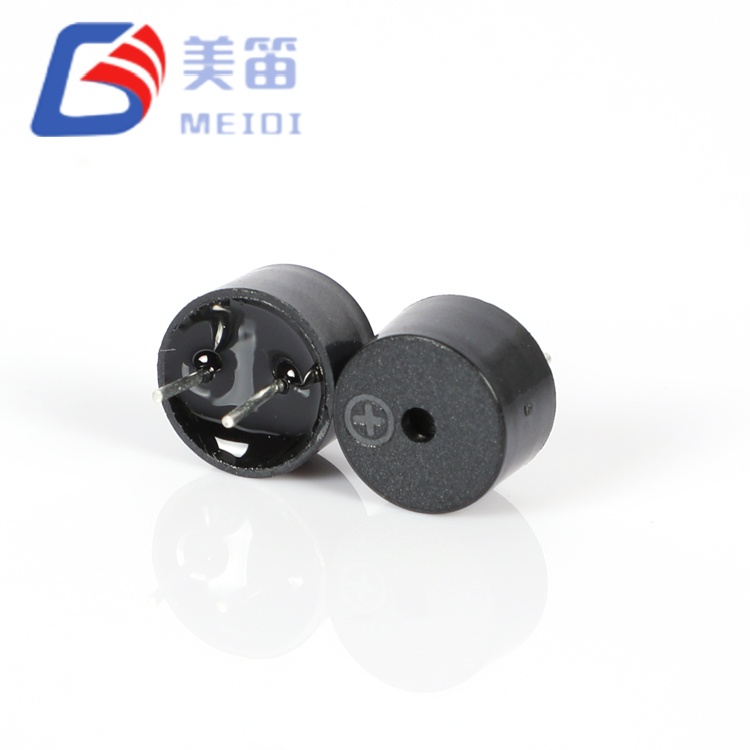
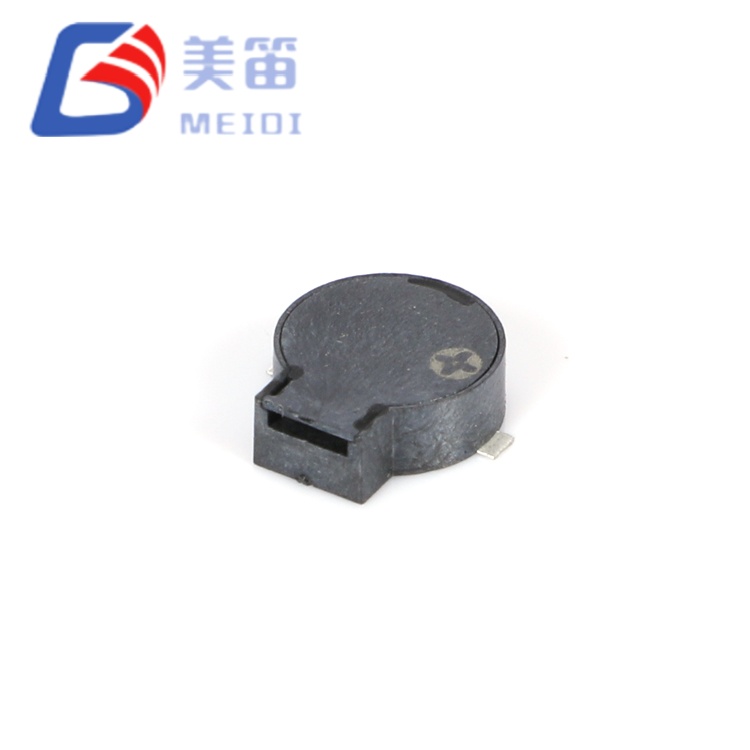
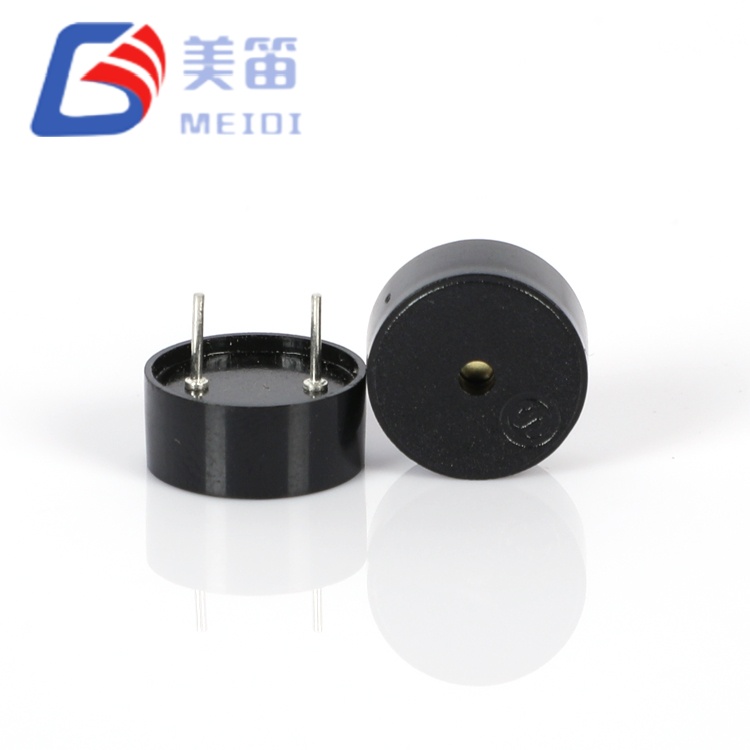
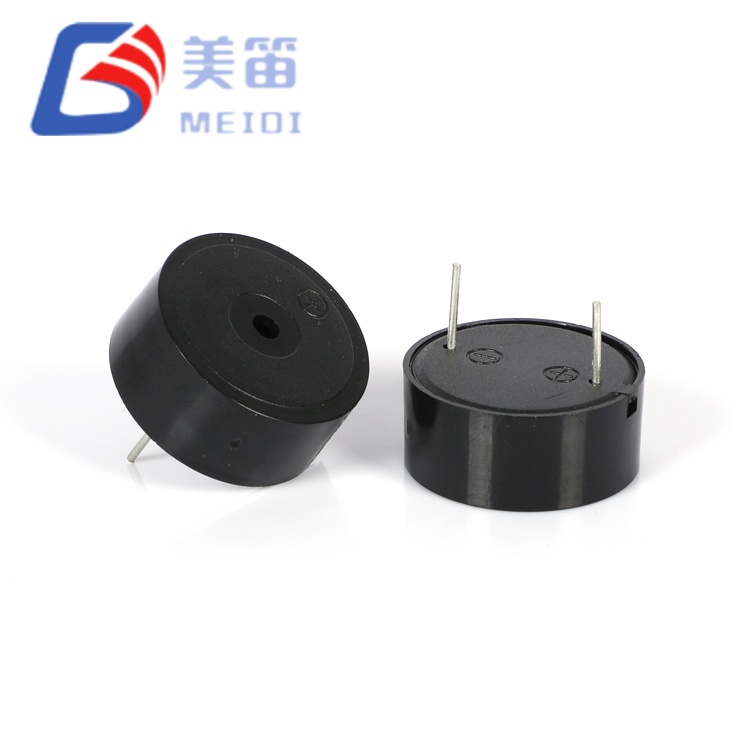
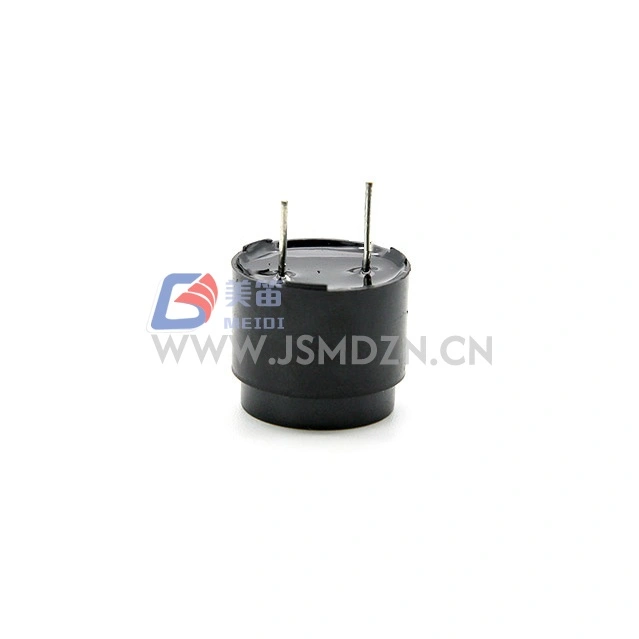
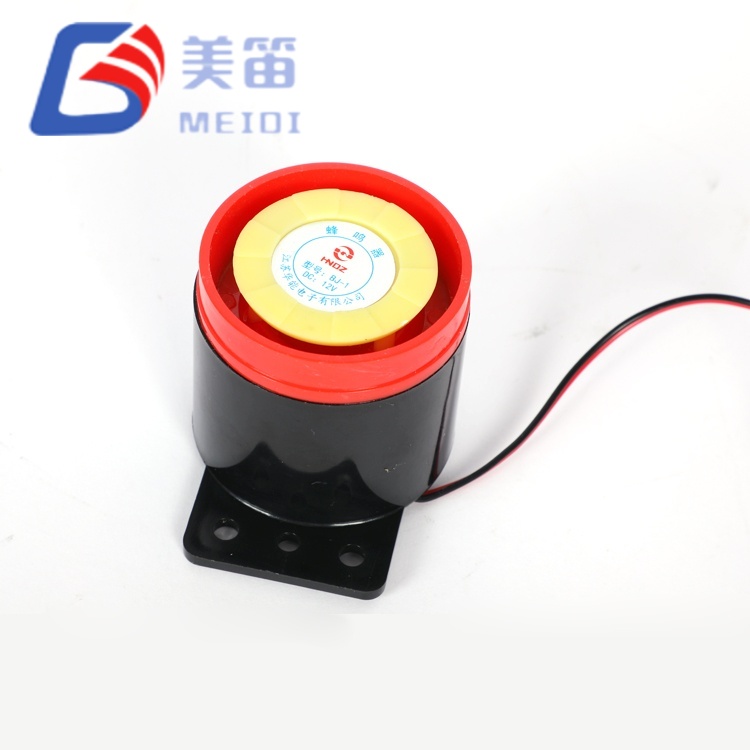
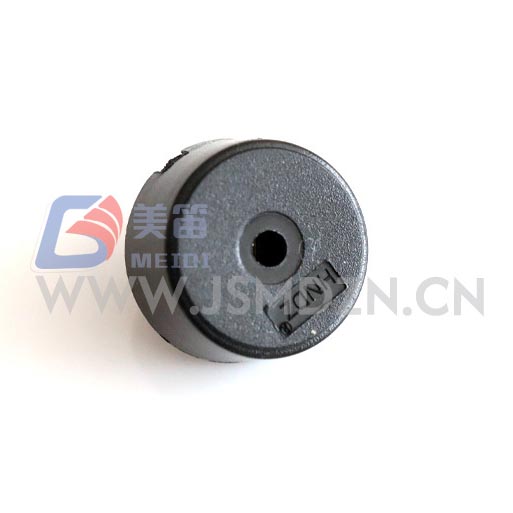
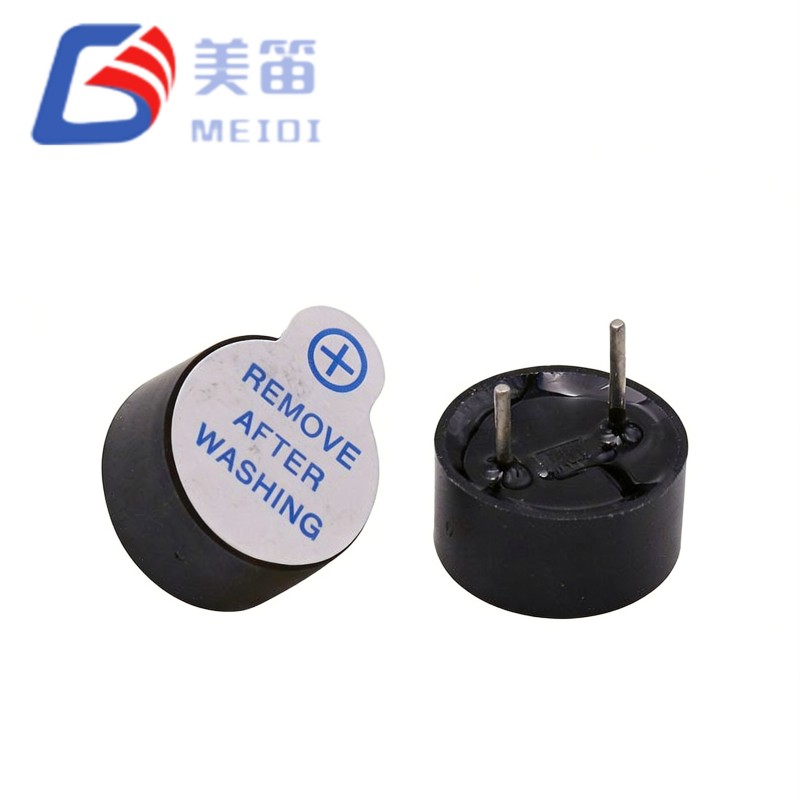
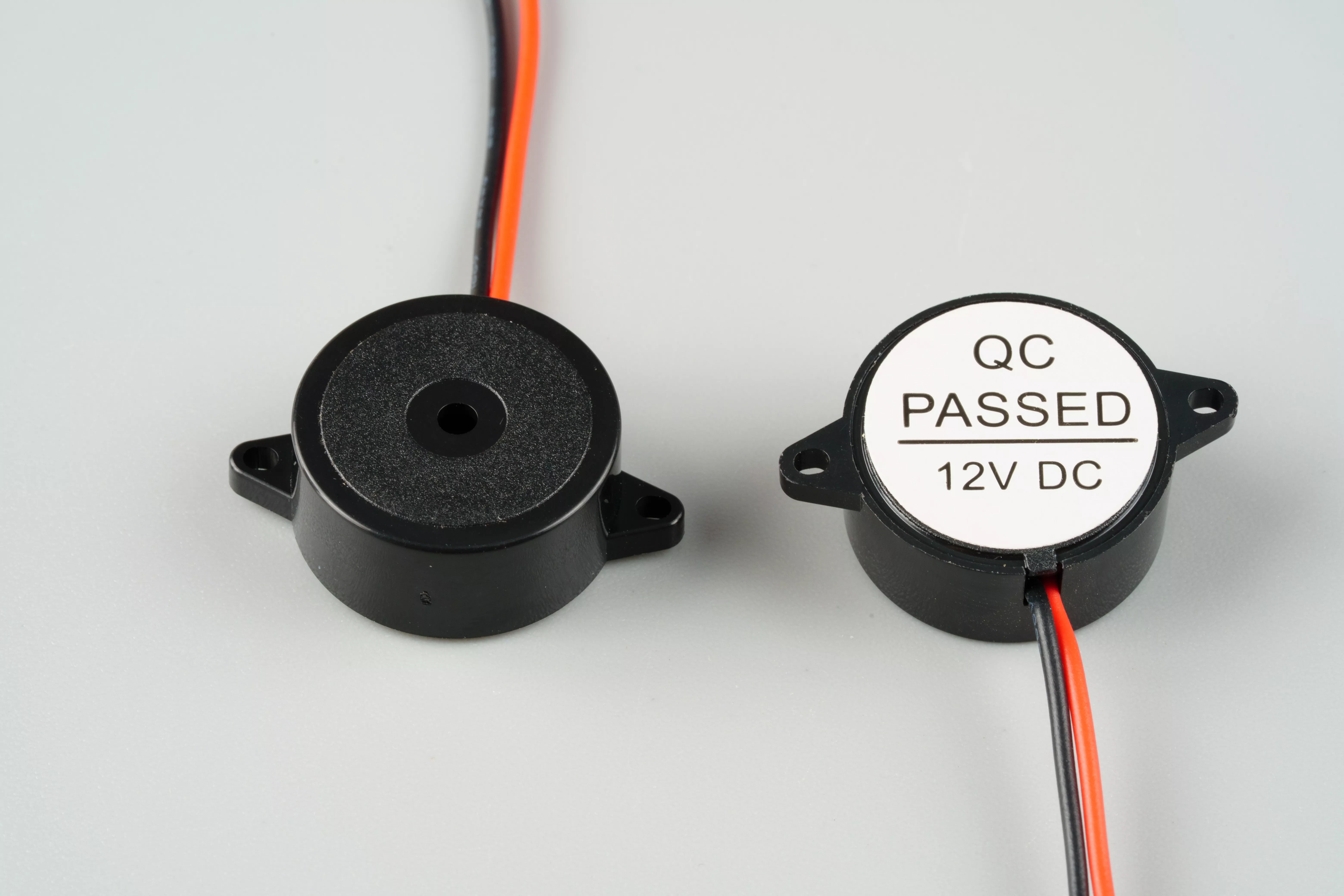
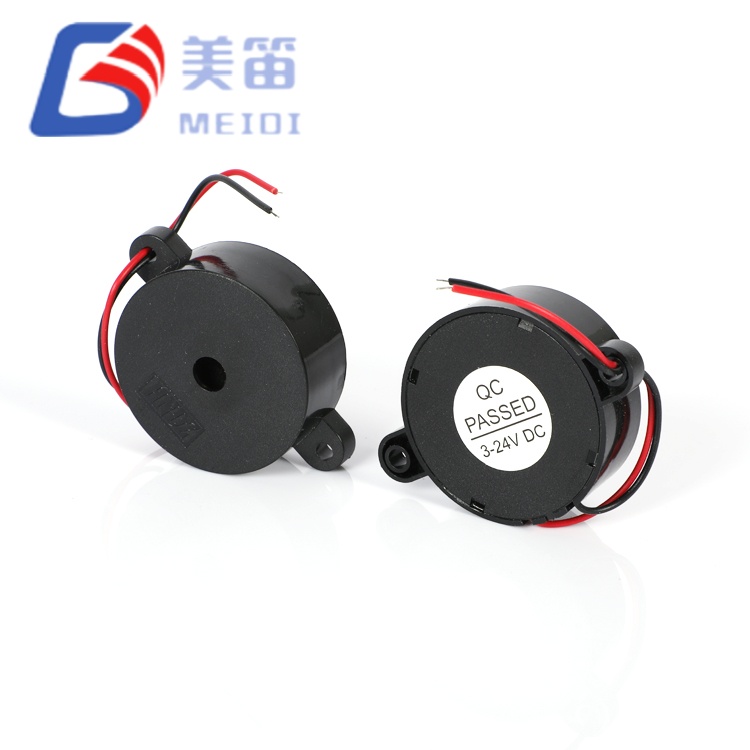
A Magnetic Passive Buzzer is a compact but important electronic sound component widely used in alarms, control systems, smart devices, household appliances, automotive electronics, and industrial equipment. Understanding how this component works helps engineers, designers, and buyers choose the right buzzer solution for their applications.
Unlike active buzzers that contain built-in oscillation circuits, magnetic passive buzzers require an external driving signal to generate sound. This design provides greater flexibility in frequency control, sound customization, and integration into different electronic systems. However, selecting an unsuitable buzzer may result in weak sound output, unstable performance, unnecessary power consumption, or compatibility problems.
This article explains the working principle of magnetic passive buzzers, their key advantages, common applications, selection considerations, and solutions to typical customer challenges. With professional manufacturing experience, MEIDI provides reliable buzzer products designed to meet different electronic application requirements.
A Magnetic Passive Buzzer is an electroacoustic device that converts electrical signals into audible sound through electromagnetic vibration. It is called “passive” because it does not generate sound automatically after receiving power. Instead, it requires an external alternating current signal or pulse frequency from a control circuit.
The main purpose of a magnetic passive buzzer is to provide sound alerts, notifications, warnings, or communication signals in electronic products. Because the sound frequency can be adjusted by the driving circuit, this type of buzzer offers excellent flexibility for product designers.
Compared with traditional mechanical sound devices, magnetic passive buzzers feature compact size, low energy consumption, quick response, and easy installation. These characteristics make them suitable for modern electronic systems where space and efficiency are important factors.
The operating principle of a magnetic passive buzzer is based on electromagnetic induction. When an electrical signal passes through the internal coil, it creates a changing magnetic field. This magnetic field interacts with the permanent magnet inside the buzzer, causing the diaphragm to move back and forth.
The vibration of the diaphragm produces pressure changes in the surrounding air, which creates sound waves that humans can hear. The frequency of the input signal determines the vibration speed of the diaphragm and therefore controls the pitch of the sound.
| Working Process | Description |
|---|---|
| Electrical Signal Input | The external circuit sends an AC signal or PWM signal to the buzzer. |
| Magnetic Field Generation | The internal coil produces a changing magnetic field. |
| Mechanical Vibration | The diaphragm moves due to electromagnetic force. |
| Sound Production | The vibration creates audible sound output. |
The ability to control frequency externally is one of the biggest advantages of magnetic passive buzzers. Engineers can design different sound patterns, warning tones, and notification signals according to product requirements.
A magnetic passive buzzer contains several precision components that work together to create stable sound output. Understanding these components helps users evaluate product quality and performance.
The quality of materials, manufacturing accuracy, and assembly technology directly affect sound volume, stability, lifespan, and environmental resistance.
Many industries prefer magnetic passive buzzers because they provide reliable performance while allowing flexible circuit design. Their advantages include:
| Advantages | Benefits |
|---|---|
| Flexible Frequency Control | Allows designers to create customized sound signals. |
| Low Power Consumption | Suitable for battery-powered devices and energy-saving products. |
| Compact Structure | Easy integration into small electronic equipment. |
| Long Service Life | Provides stable operation under continuous usage conditions. |
| Cost Efficiency | Offers practical sound solutions for large-scale production. |
For manufacturers developing electronic products, choosing a reliable magnetic passive buzzer can improve user experience while reducing maintenance problems.
Magnetic passive buzzers are widely applied in different industries because of their adaptability and reliable sound performance.
As electronic products become smarter and more interactive, the demand for reliable miniature sound components continues to increase.
Choosing the correct buzzer requires consideration of several technical factors. A suitable product should match the electrical, mechanical, and environmental requirements of the application.
| Selection Factor | Important Considerations |
|---|---|
| Operating Voltage | Ensure compatibility with the electronic circuit. |
| Sound Pressure Level | Select suitable volume according to application needs. |
| Frequency Range | Match the required sound tone and warning function. |
| Size | Confirm installation space and product design limitations. |
| Operating Environment | Consider temperature, humidity, and vibration conditions. |
Working with an experienced manufacturer helps avoid incorrect selections and improves product reliability.
| Common Issue | Possible Cause | Solution |
|---|---|---|
| Low Sound Volume | Incorrect driving signal or unsuitable voltage. | Check circuit parameters and select a suitable model. |
| No Sound Output | Missing frequency signal or incorrect connection. | Verify wiring and external control signals. |
| Unstable Sound | Poor signal quality or environmental interference. | Improve circuit design and product selection. |
| Short Service Life | Low-quality materials or harsh operating conditions. | Choose reliable manufacturing solutions. |
| Feature | Magnetic Passive Buzzer | Active Buzzer |
|---|---|---|
| Control Method | Requires external frequency signal | Produces sound when powered directly |
| Sound Adjustment | Highly flexible | Usually fixed frequency |
| Circuit Design | Requires additional control circuit | Simple connection |
| Application Flexibility | Suitable for complex systems | Suitable for basic alarm functions |
For applications requiring customized tones or multiple sound patterns, magnetic passive buzzers provide greater design freedom.
MEIDI focuses on developing and manufacturing high-quality buzzer products for various electronic applications. Through professional production processes, strict quality management, and continuous product improvement, MEIDI helps customers achieve stable sound performance in different environments.
From product selection support to customized requirements, MEIDI works closely with customers to provide practical solutions based on application conditions. Whether used in consumer electronics, industrial control equipment, or smart devices, reliable magnetic passive buzzers can improve product functionality and user experience.
By combining manufacturing expertise with customer-focused service, MEIDI delivers buzzer solutions designed for durability, consistency, and efficient integration.
Q1: What is the difference between a magnetic passive buzzer and an active buzzer?
A magnetic passive buzzer requires an external driving frequency to create sound, while an active buzzer contains an internal oscillator and produces sound when power is applied.
Q2: Can the sound frequency of a magnetic passive buzzer be adjusted?
Yes. The sound frequency can be controlled by changing the input signal frequency from the driving circuit.
Q3: Are magnetic passive buzzers suitable for battery-powered devices?
Yes. Their low power consumption makes them suitable for many portable and energy-efficient electronic products.
Q4: How long can a magnetic passive buzzer operate?
The service life depends on product quality, operating conditions, and usage frequency. High-quality manufacturing helps ensure stable long-term performance.
Q5: Why choose MEIDI for magnetic passive buzzer products?
MEIDI provides professional buzzer manufacturing capabilities, reliable quality control, and customized solutions to meet different customer requirements.
A Magnetic Passive Buzzer is a small but essential component that plays a significant role in modern electronic communication and alert systems. Its flexible frequency control, compact design, and reliable performance make it suitable for a wide range of applications.
Understanding the working principle, advantages, and selection methods helps businesses choose the right buzzer solution and avoid common application problems. With professional experience and customer-oriented manufacturing capabilities, MEIDI continues to provide dependable magnetic passive buzzer products for global electronic industries.
For high-quality magnetic passive buzzer solutions tailored to your application requirements, please contact MEIDI today. Our professional team is ready to provide suitable products and technical support. Contact us to explore the best solution for your electronic projects.