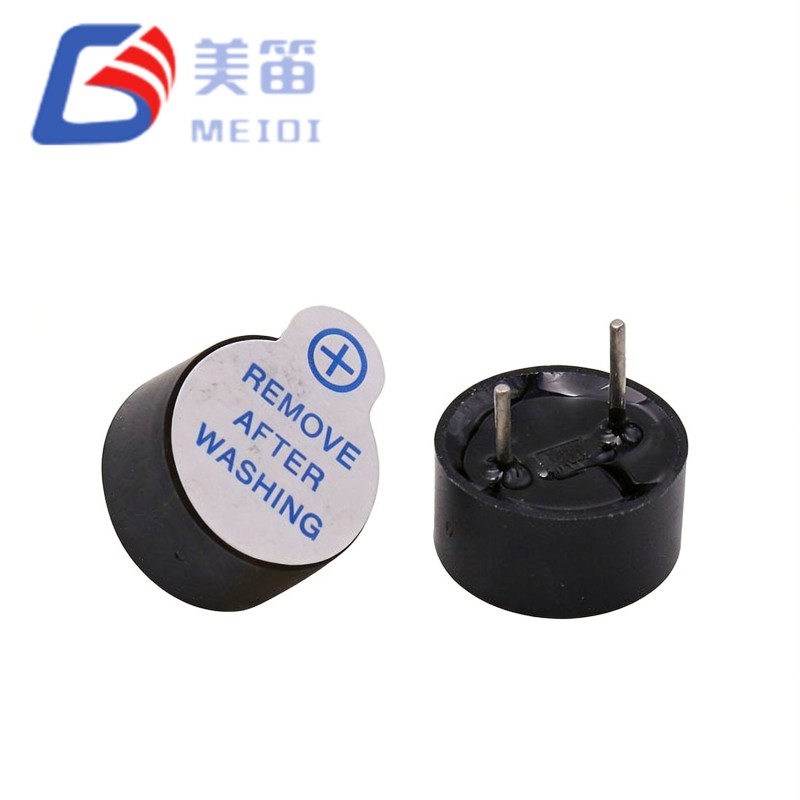
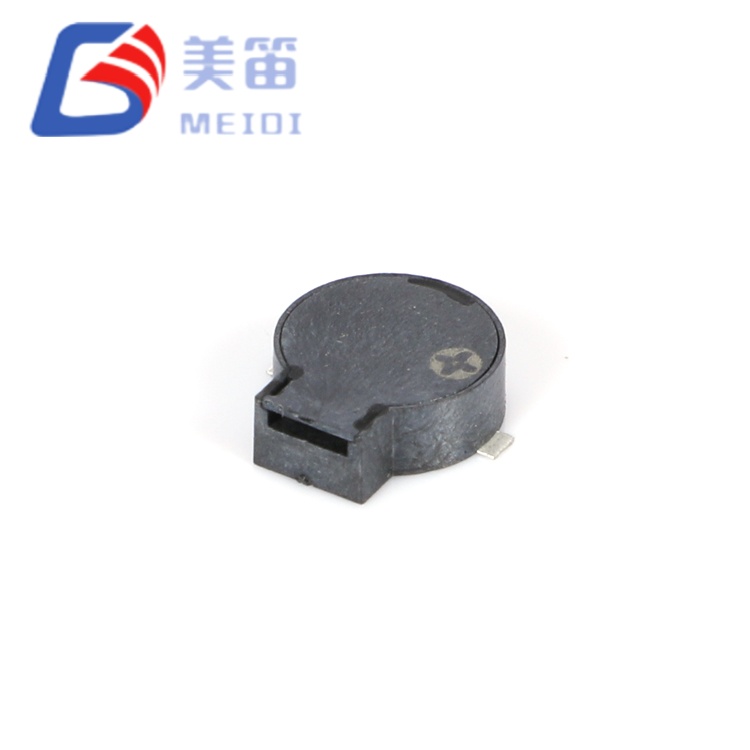
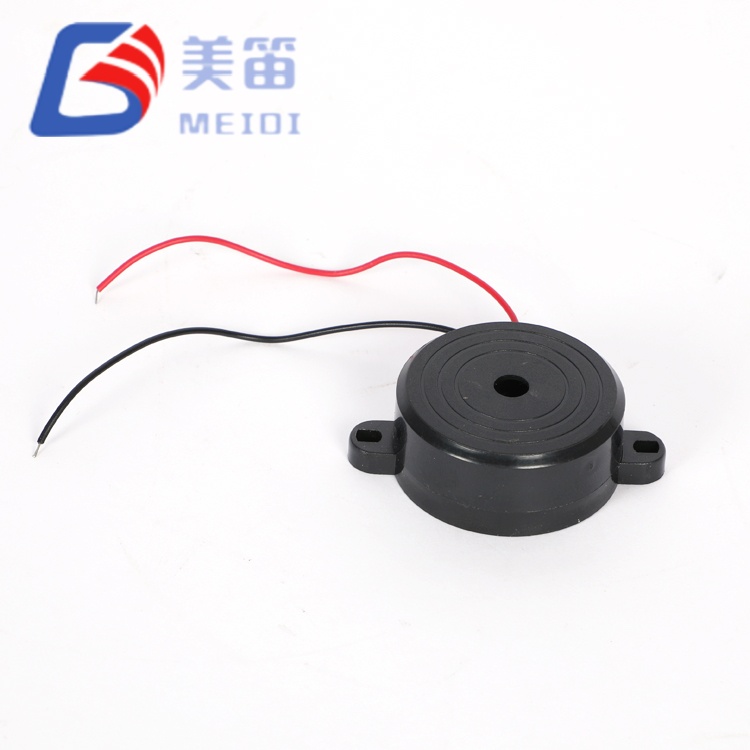
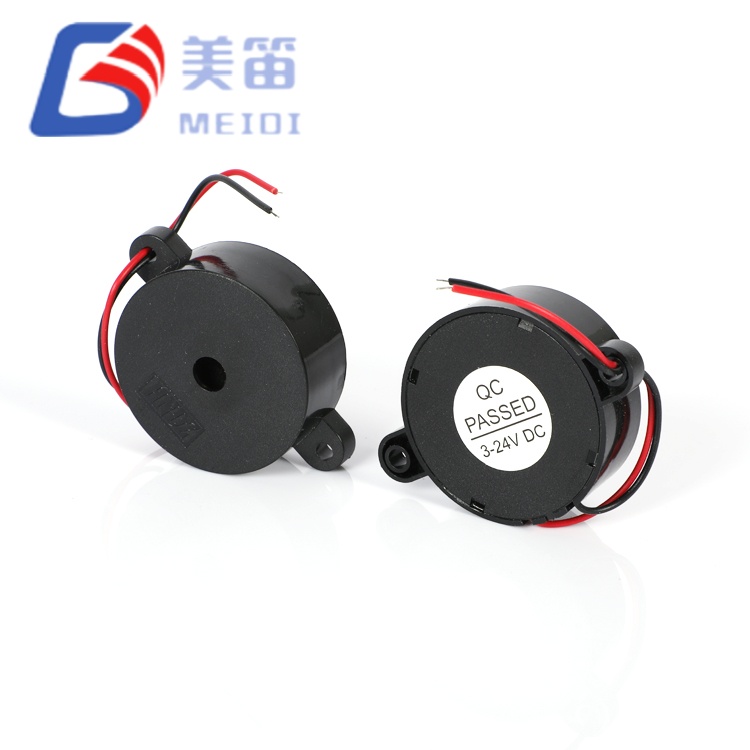
Imagine a bustling factory floor where a critical machine is about to overspeed, or a hospital where a life-monitoring device must audibly alert a nurse. In both scenarios, the Alarm Buzzer is the final, essential link in the safety chain. Its failure is not an inconvenience; it is a failure of the entire system. Yet, selecting the right Alarm Buzzer is often treated as an afterthought, a simple commodity decision left to procurement. This is a grave engineering oversight. Choosing an audible signaling device involves a complex interplay of acoustic physics, environmental science, and electrical engineering. An Alarm Buzzer that is too quiet will be ignored; one that is too loud can be a safety hazard in itself. A buzzer with the wrong frequency might not be discernible from background noise, and one without proper environmental sealing will fail prematurely in a dusty or wet environment. At Jiangsu Meidi Intelligent Technology Co., Ltd., our factory has been engineering these critical devices for over 15 years, and we have seen how a mis-specified Alarm Buzzer can lead to everything from nuisance alarms to catastrophic safety incidents. This article will guide you through the technical labyrinth of Alarm Buzzer selection, transforming it from a hasty decision into a deliberate, informed engineering process.
The consequences of a poorly selected Alarm Buzzer extend far beyond the device itself. In safety-critical applications, an audibly deficient alarm can mean the difference between a timely evacuation and a tragedy. In industrial settings, it can lead to production downtime, equipment damage, and regulatory fines. Furthermore, the trend toward miniaturization, increased environmental demands (such as IP69K ratings for wash-down areas), and the integration of advanced functions like multi-tone generation have made the selection process more complex than ever. This guide is designed to cut through the noise. We will walk through the key technical parameters—from sound pressure level (SPL) and frequency response to ingress protection (IP) ratings and supply voltage compatibility—and explain their practical implications for your specific application. We will also explore the often-overlooked aspects of Alarm Buzzer performance, such as directionality and temperature stability, which can dramatically affect real-world performance. By the end of this article, you will be equipped with a structured framework for making a technically sound decision that ensures your chosen Alarm Buzzer is up to the task, day in and day out.

The primary function of an Alarm Buzzer is to communicate a threat. Therefore, its acoustic output must be meticulously engineered to be heard, understood, and acted upon. This is not a matter of simply selecting the loudest device; it is about selecting the right sound for the specific environment and application. Let's deconstruct the critical acoustic parameters engineers must evaluate. The first and most obvious is the Sound Pressure Level (SPL), measured in decibels (dB). However, the dB rating is typically given at a specific distance (e.g., 10 cm or 1 meter). Engineers must calculate the SPL at the intended listening position, considering the inverse square law. For every doubling of distance from the source, the SPL drops by approximately 6 dB. If a device is rated at 90 dB at 1 meter, at 2 meters it will be roughly 84 dB, and at 4 meters, it will be 78 dB. This is a dramatic drop-off that must be accounted for in environments with high ambient noise.
But loudness is only part of the story. The frequency, or pitch, of the Alarm Buzzer is equally critical. The human ear is not equally sensitive to all frequencies. It is most sensitive in the 1 kHz to 4 kHz range. An Alarm Buzzer emitting a tone in this range will be more easily perceived than one at a lower or higher frequency, even at the same SPL. This is why many industrial alarms use frequencies around 2.5 kHz. Furthermore, the frequency should be distinct from background noise. A buzzer at 500 Hz in a factory with humming machinery will likely be masked. Many modern Alarm Buzzer devices offer multi-tone capability. This allows engineers to select a tone—such as a wail, a chirp, or a continuous tone—that is both easily perceptible and carries a specific meaning (e.g., a pulsed tone for evacuation, a continuous tone for a general alert). This auditory coding is an advanced feature that significantly enhances the effectiveness of the alarm system.
Another often-overlooked acoustic factor is directionality. Is the Alarm Buzzer output omnidirectional or directional? An omnidirectional buzzer emits sound equally in all directions, which is ideal for general area alarms. A directional buzzer, with its sound focused in a specific pattern, is suited for applications where the alarm must be heard in a specific zone or over a longer distance in one direction. Our factory, Jiangsu Meidi Intelligent Technology Co., Ltd., uses advanced acoustic simulation software to optimize the sound dispersion pattern of our Alarm Buzzer products, ensuring they meet the exacting requirements of their target applications. For example, our heavy-duty industrial models feature optimized rear chambers to enhance low-frequency response and improve the perceived loudness in high-noise environments, while our compact models use a precisely tuned front opening to achieve the best possible SPL from a small form factor.
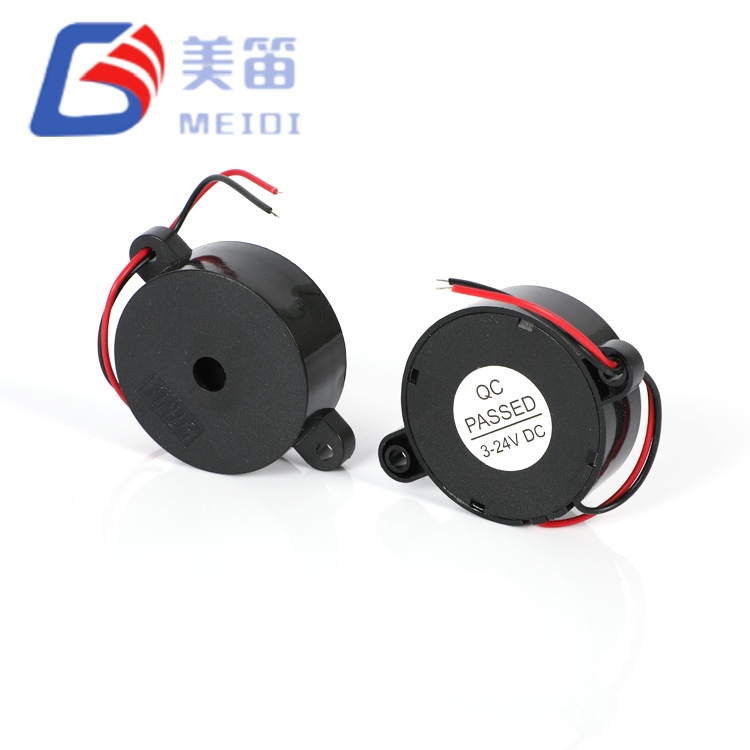
An Alarm Buzzer that performs flawlessly in a clean, dry laboratory may fail in days on a factory floor. Environmental factors are perhaps the most underestimated aspect of the selection process. The operating environment dictates a range of specifications, from ingress protection (IP) rating to operating temperature range and chemical resistance. Engineers must conduct a thorough audit of the installation site. Will the Alarm Buzzer be exposed to water or coolant sprays? If so, an IP67 rating is a minimum, and IP69K might be necessary for high-pressure washdown areas. Will it be subjected to dust from concrete or food processing? An IP6X rating is essential to prevent ingress of harmful particulates. The IP rating system is a critical guide, but engineers must also consider the nature of the dust. Wood dust, for instance, is abrasive, while some chemical dusts are conductive and can cause electrical failure.
Temperature is another pivotal factor. An Alarm Buzzer designed to operate between -10°C and +40°C will suffer from degraded performance or complete failure in the freezing cold of a cold storage facility or the intense heat of a furnace area. The materials used in the buzzer—from the housing to the piezoelectric element—have specific temperature limits. We have engineered our industrial Alarm Buzzer line with robust thermoplastics and ceramics that can operate reliably across a broad temperature range, from -30°C to +85°C. However, even within this range, performance can change. The frequency and SPL of a piezo buzzer can shift with temperature. For safety-critical applications, engineers should request data on the device's performance across its full operating temperature range. This is often a case where a lower cost buzzer may meet the standard requirements at room temperature but fails the specification when the temperature drops or rises significantly.
Furthermore, the chemical compatibility of the Alarm Buzzer's housing and materials must be evaluated. In a chemical plant, the device might be exposed to acidic fumes or solvent vapors. In a marine environment, it must resist salt spray corrosion. Our factory uses a rigorous material selection process, offering a variety of housing materials—from standard ABS for general use to UL-approved flame-retardant materials and even UV-stabilized options for outdoor applications. We also provide gasketing materials specifically chosen for their resistance to oils and ozone. When selecting an Alarm Buzzer, it is prudent to consult the manufacturer's chemical resistance chart to ensure the device will not be physically or chemically attacked by the substances it will encounter during its service life. This proactive approach prevents costly and dangerous field failures.
Integrating an Alarm Buzzer into a larger system requires a careful matching of electrical characteristics. The most fundamental consideration is the operating voltage and current. The Alarm Buzzer must be compatible with the available power supply voltage. However, engineers must also consider the inrush current, which can be significantly higher than the holding current. This is particularly important if the buzzer is part of a system with limited power capacity or if several buzzers are switched on simultaneously. Our Alarm Buzzer products are designed with soft-start circuitry to limit inrush current and prevent voltage dips that could affect other sensitive components. We offer a wide range of voltage options, from 3V DC for portable devices to 240V AC for industrial panels.
Another critical integration factor is the drive signal. Does the buzzer require a continuous voltage signal, or does it need a specific pulse train to generate the desired tone? Many Alarm Buzzer products are self-oscillating and produce a fixed tone when powered. However, advanced devices allow the user to select from a library of tones by applying different voltage levels or using a digital interface (such as I²C or PWM). For example, a single Alarm Buzzer could be programmed to produce a fast chirp for a pre-alarm and a continuous tone for a full alarm. This reduces component count and simplifies panel design. Our factory has developed a line of programmable Alarm Buzzer that can be configured via a simple interface, allowing system engineers to tune the alarm characteristics without changing the hardware.
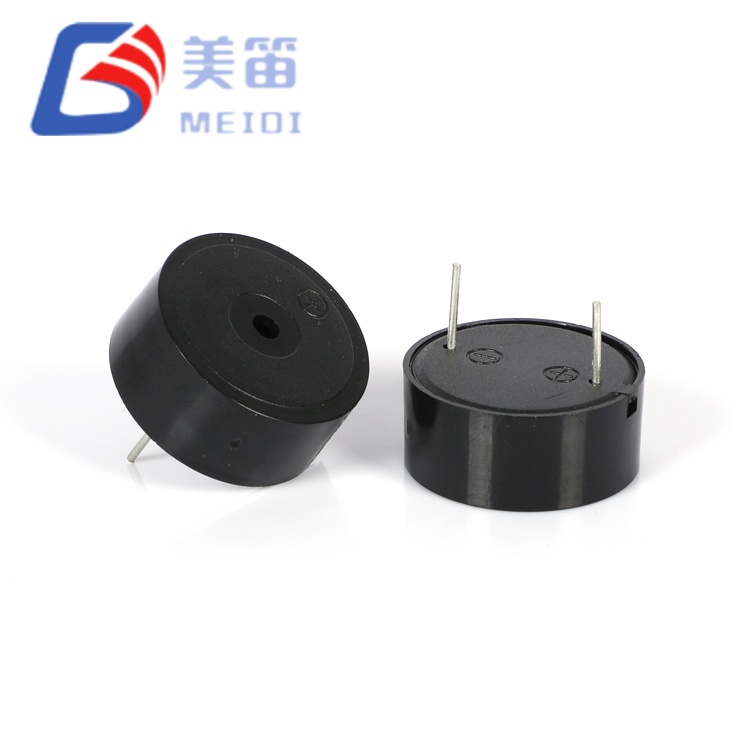
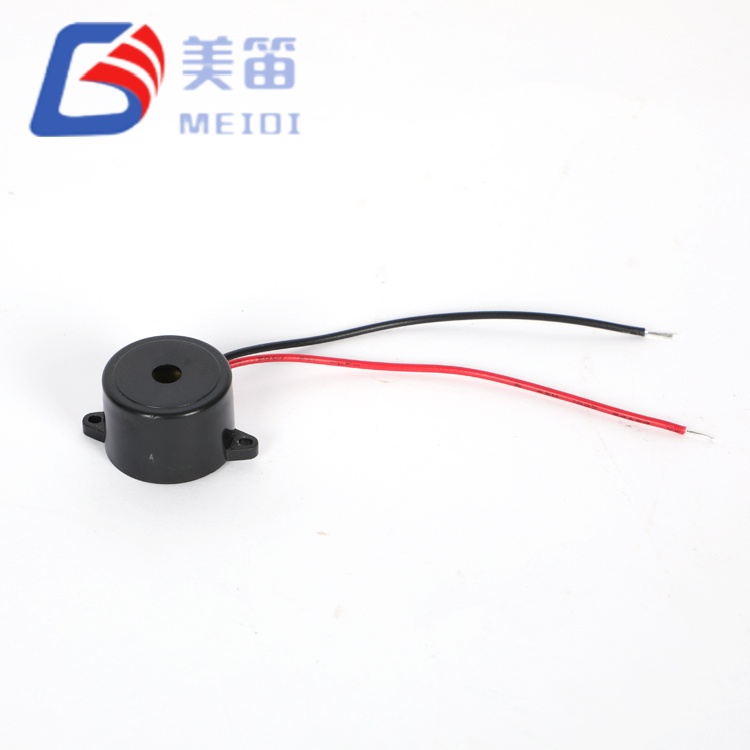
Beyond the basic electrical parameters, the physical integration—or mounting—of the Alarm Buzzer is a crucial factor. The mounting method directly impacts the performance of the buzzer, specifically its acoustic output. A buzzer that is meant to be panel-mounted requires a specific hole size and mounting depth to ensure that the sound can propagate efficiently. If mounted incorrectly, the sound can be muffled or attenuated. For through-hole mounting, the housing acts as a resonator; the sealing and the material of the panel can also influence the sound output. We provide detailed installation guides and panel cutout dimensions for each of our Alarm Buzzer models, ensuring engineers can achieve the intended acoustic performance. We also offer a variety of mounting options, including flange-mount, panel-mount, and integrated PCB mount, to suit various system designs.
| Parameter | MD-1200 Panel-Mount | MD-2050 PCB-Mount | MD-5100 Flange-Mount |
| Rated Voltage (V DC) | 12/24 | 5/12 | 24/48 |
| Operating Current (mA) | 35 | 20 | 50 |
| SPL at 1m (dB) | 95 | 88 | 105 |
| Frequency (Hz) | 2400 ± 200 | 3200 ± 300 | 2800 ± 250 |
| Mounting Type | Panel (22mm hole) | PCB (Through-hole) | Flange (2x screws) |
| Ingress Protection | IP54 | IP40 | IP67 |
| Operating Temp. (°C) | -20 to +70 | -10 to +60 | -30 to +85 |
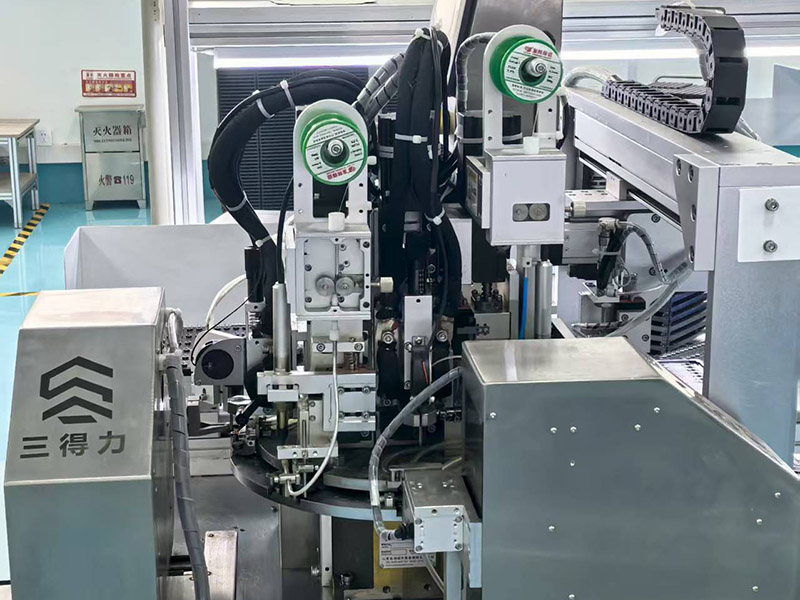
An Alarm Buzzer’s performance is not just about its immediate output; it must also be reliable over years of continuous service. Engineers must look beyond the initial technical specifications and evaluate the potential for performance degradation and failure over time. This is where the manufacturer’s quality system and manufacturing philosophy become paramount. A key indicator of reliability is the Mean Time Between Failures (MTBF) of the device. A reputable manufacturer will be able to provide MTBF data based on real-world testing or standardized calculations (e.g., MIL-HDBK-217). For example, a piezo buzzer, with its solid-state construction, often has a much higher MTBF than a magnetic buzzer, which has moving parts and is more susceptible to mechanical wear. Our factory at Meidi has invested in automated testing equipment that continuously monitors the SPL and frequency of our Alarm Buzzer products over thousands of hours of operation to validate our MTBF figures.
However, reliability is not solely a function of the active component. The solder joints, the wire connections, and the housing integrity are equally important. For panel-mounted units, the vibration resistance and the security of the mounting nut are critical. An Alarm Buzzer that becomes loose from vibration will lose its directional focus and may eventually fall out of its panel, creating a safety hazard. The quality of the internal soldering and the mechanical stability of the connections under shock and vibration are essential factors in ensuring a long service life. We design our Alarm Buzzer with robust internal strain relief and use high-quality lead-free solder, which has been shown to have excellent fatigue resistance over time.
Furthermore, engineers should consider the environmental stress factors discussed earlier and their long-term effect on reliability. A buzzer that is rated for IP67 but has a UV-unstable housing will fail in an outdoor application, albeit not from water ingress. The combination of environmental factors—heat, moisture, and solar radiation—can degrade the materials and cause failure. To qualify long-term reliability, engineers should seek out devices that have been tested for environmental exposure. We subject our Alarm Buzzer products to a comprehensive battery of tests, including vibration testing, thermal shock, and salt spray, simulating decades of service. This rigorous testing, combined with our robust manufacturing processes, ensures that the Alarm Buzzer you install today will remain a reliable guardian of safety for the foreseeable future, protecting lives and assets.
Question 1: What is the difference between a piezo buzzer and a magnetic buzzer, and which one should I choose?
Answer: The primary difference lies in the sound generation technology. Piezo buzzers use a piezoelectric element to create sound, making them solid-state, highly reliable, and ideal for generating high frequencies (typically >2kHz) with low power consumption. Magnetic buzzers use a coil and diaphragm, similar to a small speaker, and are better at producing lower frequencies and higher sound pressure levels (up to 100dB+) but have a higher current draw. Choose a piezo buzzer for applications requiring high reliability and power efficiency, and a magnetic buzzer for environments where a loud, low-pitched tone is required to penetrate high ambient noise.
Question 2: How do I calculate the required sound pressure level (dB) for my application?
Answer: The general rule is that the Alarm Buzzer should be at least 10-15 dB above the ambient noise level at the listener's ear. First, measure the ambient noise level with a sound meter at the installation location. Then, account for the distance from the buzzer to the listener. The SPL decreases by approximately 6 dB for every doubling of distance. Finally, add the 15 dB margin to ensure the alarm is clearly audible. If you are in a 85 dB environment and the listener is 4 meters away, you will need a buzzer with an SPL of at least 85 + 15 + 12 (6 dB per doubling from 1m to 4m) = 112 dB at 1 meter.
Question 3: What is the importance of the IP rating on an alarm buzzer?
Answer: The IP (Ingress Protection) rating is a crucial specification that defines the device's resistance to dust and water ingress. The first digit (0-6) rates solid particle protection, and the second (0-8) rates liquid ingress protection. For example, an IP54 device is dust-protected and splash-proof, while an IP67 device is dust-tight and protected against temporary immersion. In outdoor, washdown, or dusty environments, a higher IP rating is essential to prevent premature failure. Neglecting this can lead to internal corrosion or short circuits, causing the Alarm Buzzer to fail exactly when it is needed most.
Question 4: Can I use a single alarm buzzer to produce different tones or sounds?
Answer: Yes, many modern Alarm Buzzer products are multi-tone or programmable. They are designed to be integrated into a control system that can trigger different tones. For example, a control signal can switch the device to generate a continuous tone for one alarm condition, a pulsed wail for another, and a fast chirp for a pre-alarm or a test function. This is typically achieved by using devices with a multi-input design, where different voltage levels or digital signals select the required tone, or by using built-in patterns in the device's logic. This feature is invaluable for reducing the number of devices on a control panel.
Question 5: What is the typical lifespan of a high-quality alarm buzzer?
Answer: For a robustly designed piezo Alarm Buzzer, the service life is typically measured in tens of thousands of hours. Under normal operating conditions, it is not uncommon for our Alarm Buzzer to exceed 50,000 hours of continuous operation without significant degradation in output. However, the lifespan can be affected by extreme environmental conditions and excessive voltage. Our factory at Jiangsu Meidi Intelligent Technology Co., Ltd. provides a comprehensive reliability data sheet, including MTBF calculations, for all our Alarm Buzzer products to help engineers validate their service-life requirements.
Selecting the right Alarm Buzzer is a critical engineering decision that demands careful consideration of acoustic, environmental, electrical, and reliability factors. It is not a decision to be made lightly or based solely on price. A well-chosen Alarm Buzzer will provide clear, unmistakable warnings, ensuring the safety of personnel and the protection of valuable assets for years. We at Jiangsu Meidi Intelligent Technology Co., Ltd. have built our reputation on providing Alarm Buzzer solutions that meet the highest standards of performance and durability.
If you are planning a new system or upgrading an existing one, we invite you to consult with our technical team. We can help you navigate the complexities of Alarm Buzzer selection, ensuring you choose the perfect device for your specific application. Contact us for a no-obligation design review. Request your free technical consultation now from Jiangsu Meidi Intelligent Technology Co., Ltd. and ensure your warning systems are engineered for absolute reliability.