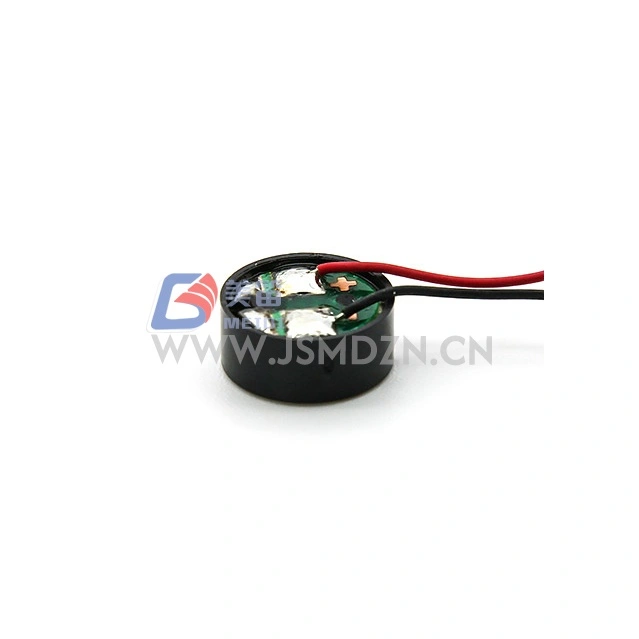
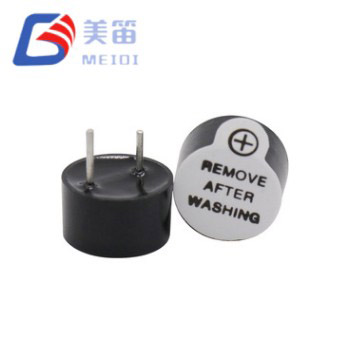
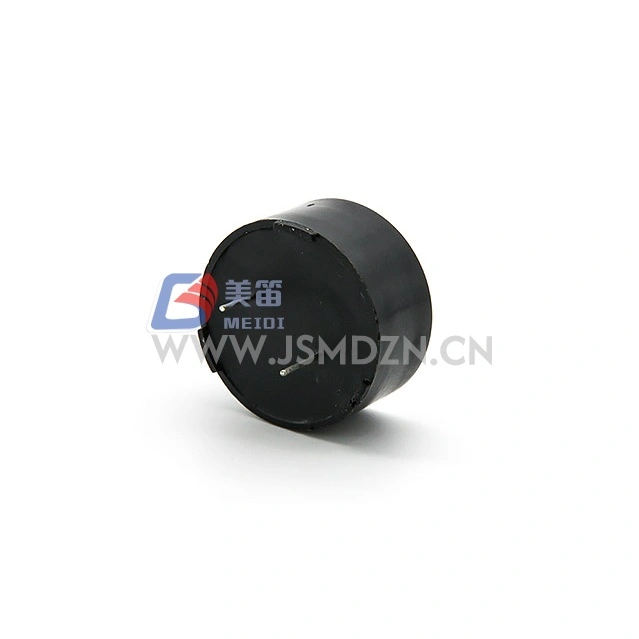
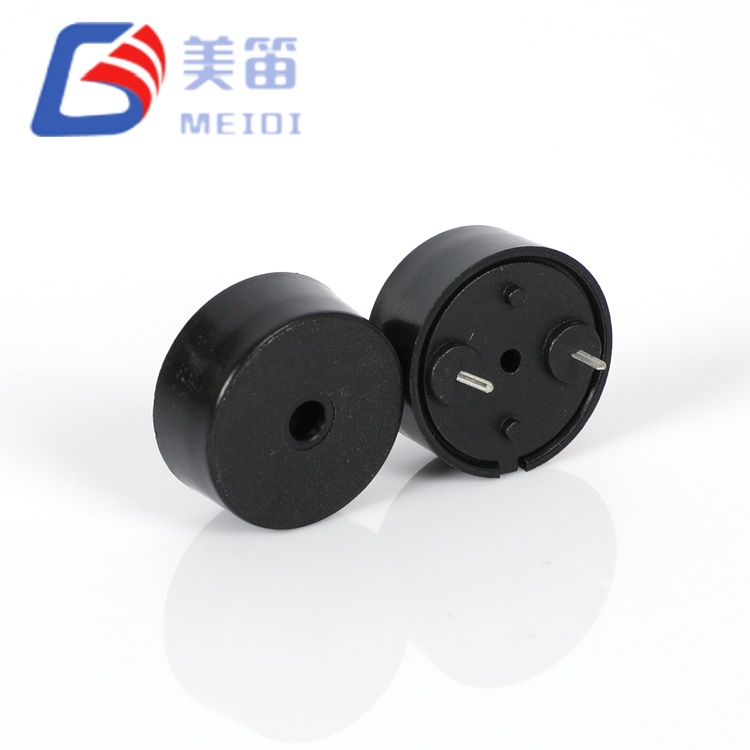
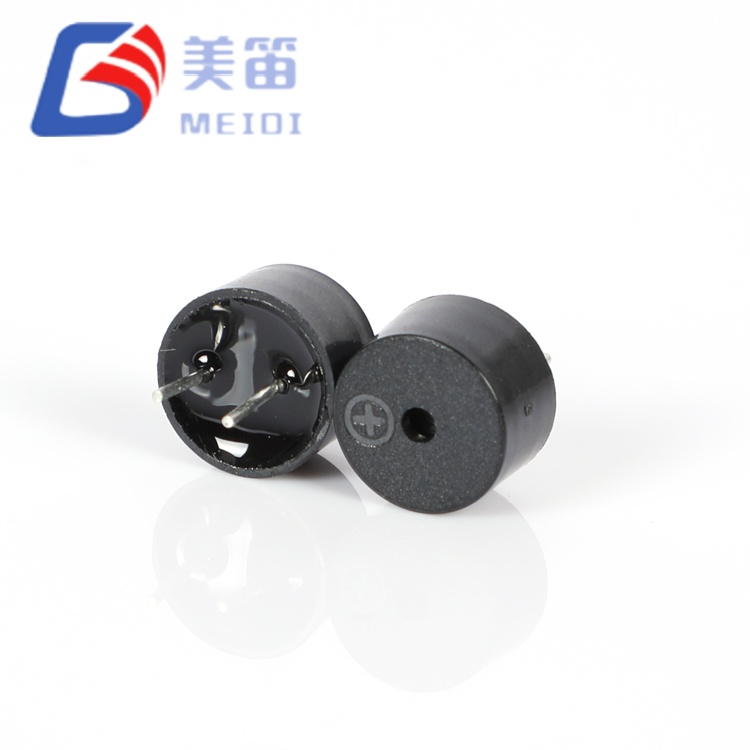
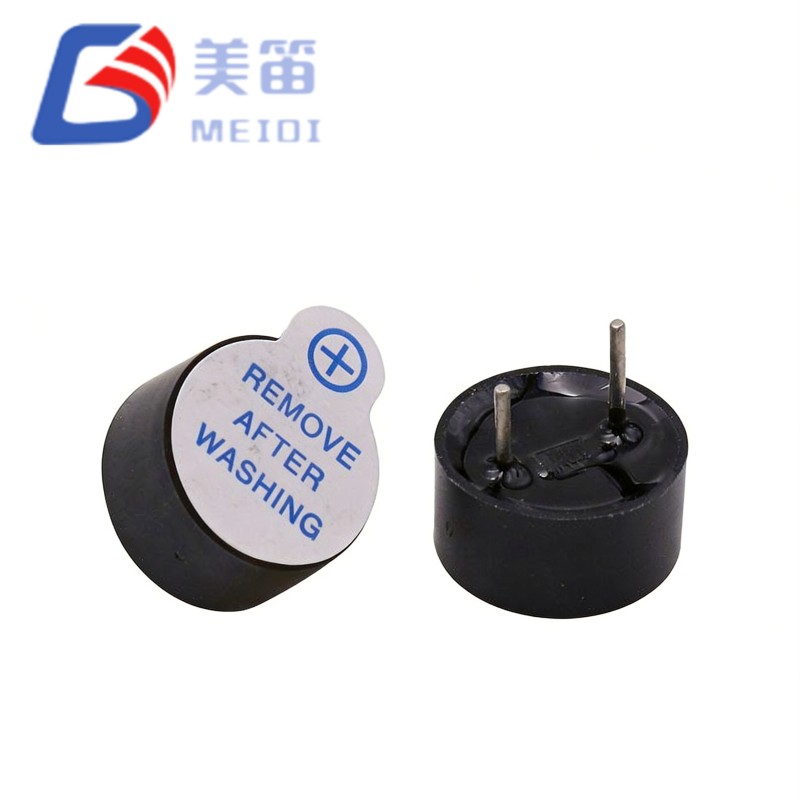
An electromagnetic buzzer is often described as a magnetic field driven sound maker because the audible tone comes from a coil, a magnet, and a vibrating diaphragm working together inside a small sealed case. For product engineers and sourcing teams, knowing how this buzzer works explains why it reacts differently from a piezo buzzer under the same supply and why it stays a default choice in alarms, printers, and household appliances.
This guide walks through the electromagnetic buzzer principle, its core components, the difference between active and passive drive, and the electrical and acoustic numbers that matter when a buyer compares one buzzer against another before committing to mass production.
What an Electromagnetic Buzzer Actually Is
The name already points at the mechanism. An electromagnetic buzzer turns electrical energy into sound by using a magnetic field to move a thin diaphragm back and forth. Unlike a loudspeaker, the buzzer does not need audio amplification; the coil, magnet, and diaphragm inside the housing do the conversion directly. That simplicity is exactly why the buzzer is cheap to drive and easy to place on a control board.
How Electromagnetic Induction Produces Sound
Inside the buzzer, an audio-frequency current flows through the electromagnetic coil. That current builds a magnetic field that changes with the signal. The changing field acts against a permanent magnet fixed to the diaphragm, so the diaphragm vibrates at the drive frequency and pushes sound into the air. The whole buzzer is tuned so this motion stays stable across the normal operating voltage and temperature window.
This induction path is the reason the device earns the label magnetic field driven sound maker: the output is a direct result of magnetic force moving a mechanical part, not a piezoelectric strain effect.
Core Components of the Buzzer
Four parts decide how the buzzer sounds and how easy it is to use:
Electromagnetic coil: carries the drive current and generates the working field.
Permanent magnet: supplies the static field the coil field pushes against.
Vibrating diaphragm: converts the magnetic force into audible sound.
Housing and terminals: protect the parts and define the lead style for assembly.
Changes in coil turns, magnet strength, and diaphragm tension shift the resonant frequency and the sound pressure level the buzzer can reach. A well-built buzzer holds these values tightly across repeat lots. Some designs also use a small armature that concentrates the magnetic pull on the diaphragm, which is one reason the buzzer can reach a useful SPL from a package only a few millimetres thick.
Active vs Passive Electromagnetic Buzzer
The same electromagnetic buzzer ships in two drive styles. A self-drive, or active, buzzer carries a built-in oscillator circuit and emits a fixed-frequency tone the moment power is applied. An external-drive, or passive, buzzer has no oscillator and relies on a square wave from the host controller to set pitch and pattern. The right pick depends on how much tone control the product needs and how much firmware the team wants to write.
Review Point
Active Buzzer
Passive Buzzer
Onboard circuit
Built-in oscillator
None
Drive requirement
DC power only
External square wave
Tone control
Fixed
Programmable
Firmware load
Low
Higher
Best fit
Standard alarms
Custom sound patterns
Key Electrical Characteristics Buyers Should Read
Two numbers decide whether the buzzer fits the board. Operating voltage is usually low, commonly 1.5 V to 12 V, while current draw is relatively high next to a piezo buzzer because the coil must stay energized. Rated voltage, operating voltage range, and current at rated voltage should all be checked against the product power budget before the buzzer is selected, because both voltage and current move the sound pressure level. Most data sheets list these as typical and maximum values, so the buyer should design to the worst case rather than the typical one.
Sound Pressure Level and Acoustic Performance
Sound pressure level, or SPL, measured in dB at 10 cm, is the value QC and field service verify most often. A buzzer rated around 85 dB at 10 cm is loud enough for most alarm and notification jobs. Because SPL shifts with supply voltage and current, the buyer should confirm the exact test condition, not only the headline number printed in the catalog.
Electromagnetic Buzzer vs Piezo Buzzer
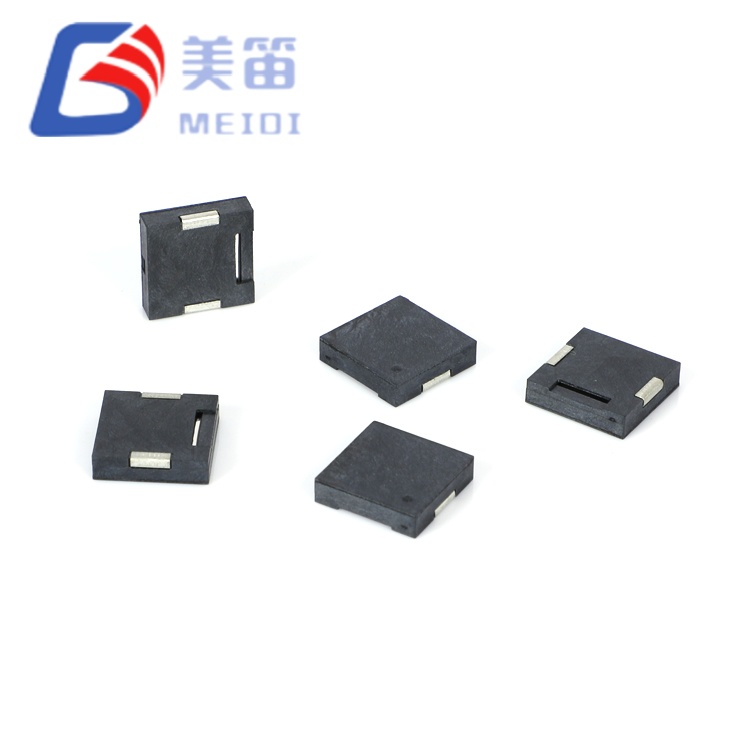
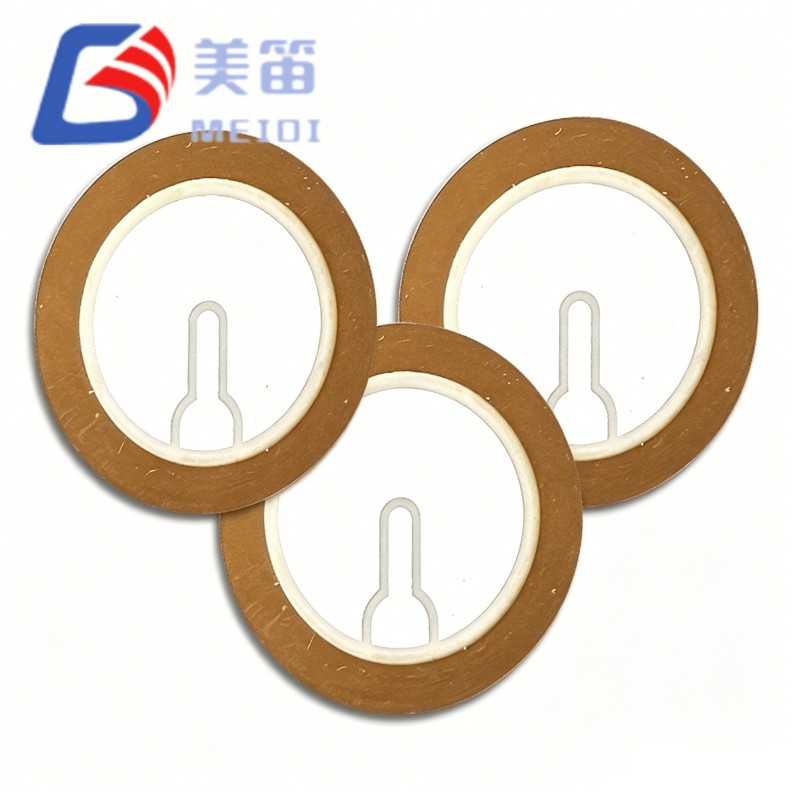
A piezo buzzer uses a ceramic diaphragm driven at its resonant frequency and typically pulls very little current at a higher voltage, whereas the magnetic buzzer pulls higher current at a lower voltage. The piezo type fits battery-powered products; the electromagnetic type is easy to drive from standard logic and is often cheaper to integrate where the current budget is not tight. Both families are offered as SMD buzzers for automated assembly lines.
SMD and Through-Hole Packaging
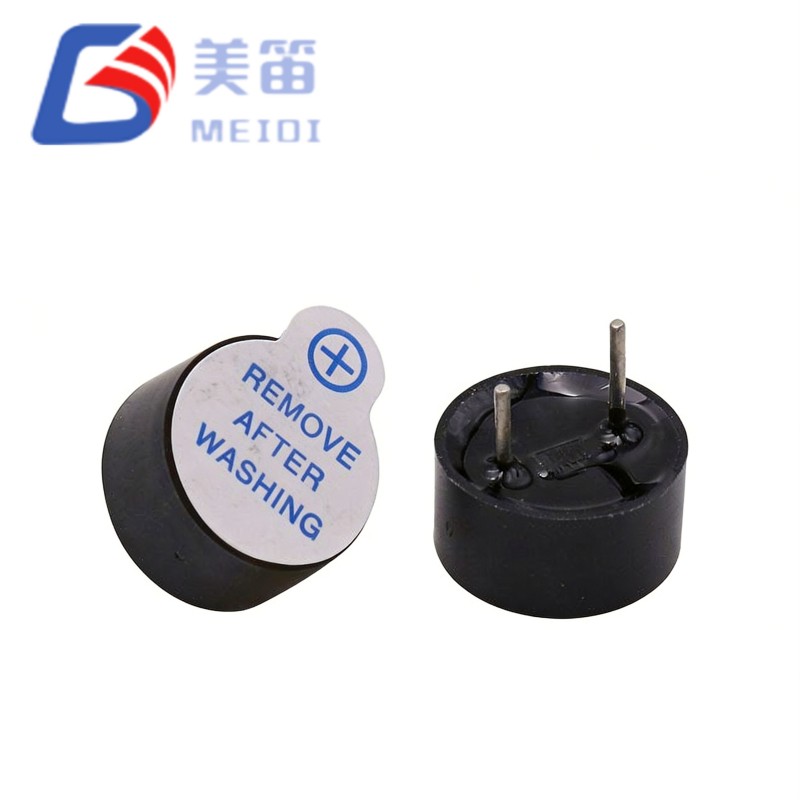
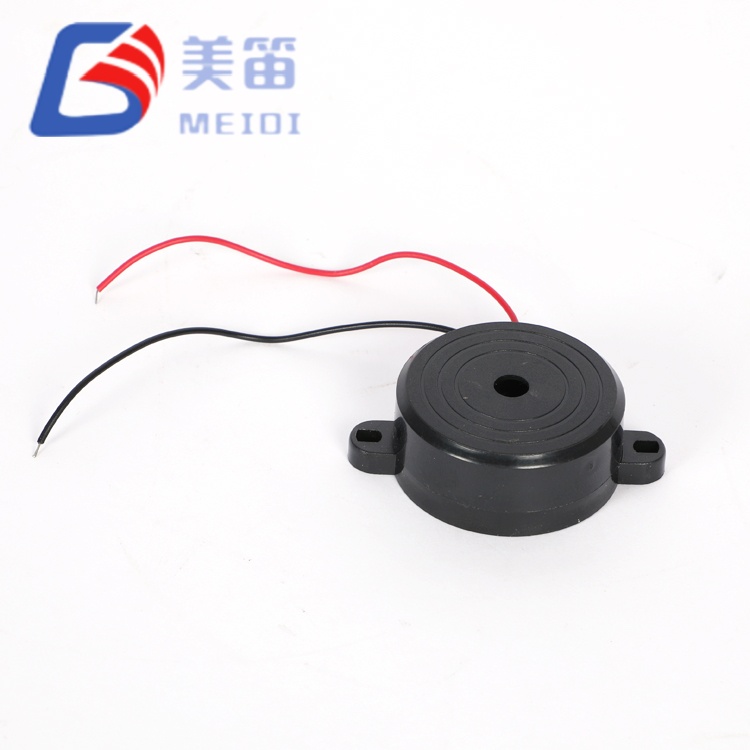
For pick-and-place production, SMD buzzers cut manual insertion and lift consistency at volume. Through-hole and wire-lead styles still suit hand assembly or boards that need extra mechanical strain relief. The lead style should match the factory process so the buzzer never becomes the bottleneck when orders scale.
Drive Circuit and Waveform
An active buzzer asks only for DC power. A passive buzzer needs a square wave whose frequency sets the tone, and the controller firmware owns the sound pattern. Buyers should confirm that the existing microcontroller can spare the timer and pins before choosing a passive buzzer, or the saving on the part is lost to software work.
Typical Applications of the Buzzer
Application
Why This Buzzer Fits
Computers and printers
Status beeps with simple drive logic
Security and fire alarms
Loud fixed tone, low design effort
Home appliances
Reliable prompts, low cost
Medical instruments
Stable audible feedback
Automotive and industrial
Robust sealed package
Selection Checklist Before You Buy
Rated voltage and operating voltage range, and current at rated voltage.
Resonant frequency and its tolerance, since tone pitch must stay in the acoustic window.
Sound pressure level (SPL) in dB at 10 cm under a stated voltage and distance.
Lead style: SMD, through-hole, or wire lead, matched to assembly.
Unlike piezo types that rely on capacitance, the electromagnetic buzzer is defined by coil impedance, so the drive circuit must match.
Operating temperature and RoHS or CE compliance status with documents.
Common Inspection Points and Quality Control
At incoming inspection, the buzzer is checked for frequency, current, and SPL against the agreed tolerance, because these three numbers decide what the end user hears. A stable buzzer keeps the same sound behavior across repeat lots, which is why batch consistency from the factory matters more than a single perfect sample.
Why the Buzzer Stays Popular in Cost-Sensitive Products
The electromagnetic buzzer keeps its place because it is cheap, rugged, and predictable. For products that only need a beep or a warning tone, the buzzer delivers audible feedback without a speaker, an amplifier, or a codec. That keeps the bill of materials small and the reliability high, which is why the buzzer appears in everything from toy modules to industrial panels, and why many teams still specify it as the first sound source they reach for.
How to Test the Buzzer on the Bench
A quick bench check uses a regulated supply set to the rated voltage, a sound level meter at 10 cm, and a frequency counter on the output. For a passive buzzer, a function generator supplies the square wave. Recording SPL, current, and frequency for a few samples builds the incoming inspection baseline and shows whether the buzzer batch is stable before it reaches the line.
How to Choose the Right Buzzer Factory
When a buyer compares offers from more than one buzzer factory, the lowest quote is rarely the safest. A capable supplier documents rated voltage, current, SPL, and frequency for each model, ships RoHS and CE files without being chased, and can show repeat-lot consistency data on request. For OEM and distributor programs, sample support, custom labeling, and stable lead times signal whether the factory is built for long-term supply rather than one-off orders.
Quality, Compliance, and Supply
RoHS and CE documentation should travel with the buzzer. For OEM programs, ask about batch consistency, lead-time stability, and whether the factory can support custom labeling, packaging, or pin configuration for the buzzer.
Frequently Asked Questions
Q: Is an electromagnetic buzzer the same as a magnetic buzzer?
A: The terms overlap; magnetic buzzer is simply the shorter name for the same electromagnetic induction device.
Q: Should I choose active or passive for a simple alarm?
A: Active, because the built-in oscillator removes firmware work and shortens the design cycle.
Q: Why does it draw more current than a piezo buzzer?
A: The coil must be energized to build the field, while a piezo element stores energy in capacitance and needs far less continuous current.
Q: Do Meidi buzzers ship with compliance documents?
A: Yes. Meidi products are supported by RoHS and CE-related documentation, and the factory can supply sample and export support for qualified OEM and distributor projects.
Procurement Reminder
Choose the buzzer by the application and the power budget rather than the lowest unit price, because the wrong drive style can add a firmware cycle and a re-sample that costs more than the part itself.
We use cookies to offer you a better browsing experience, analyze site traffic and personalize content. By using this site, you agree to our use of cookies. Privacy Policy