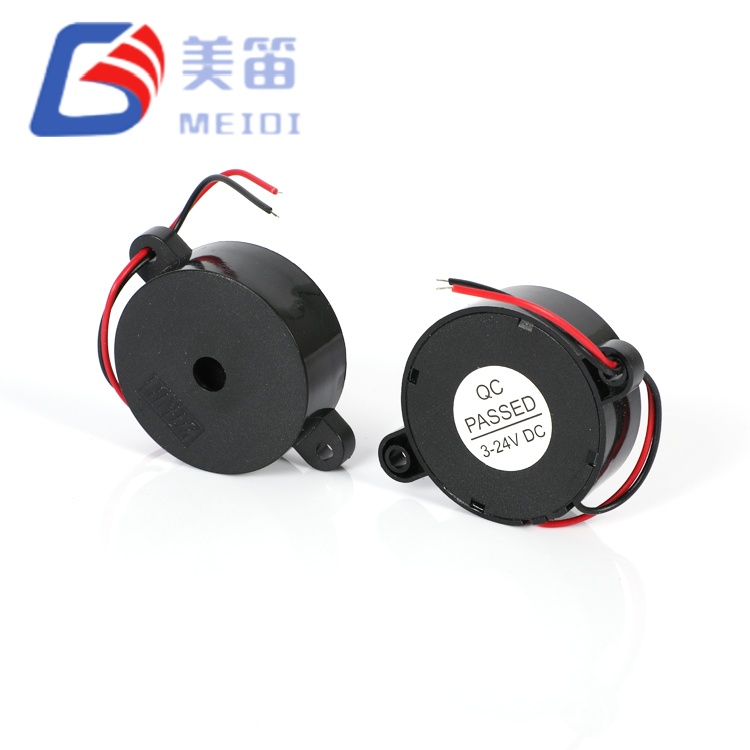
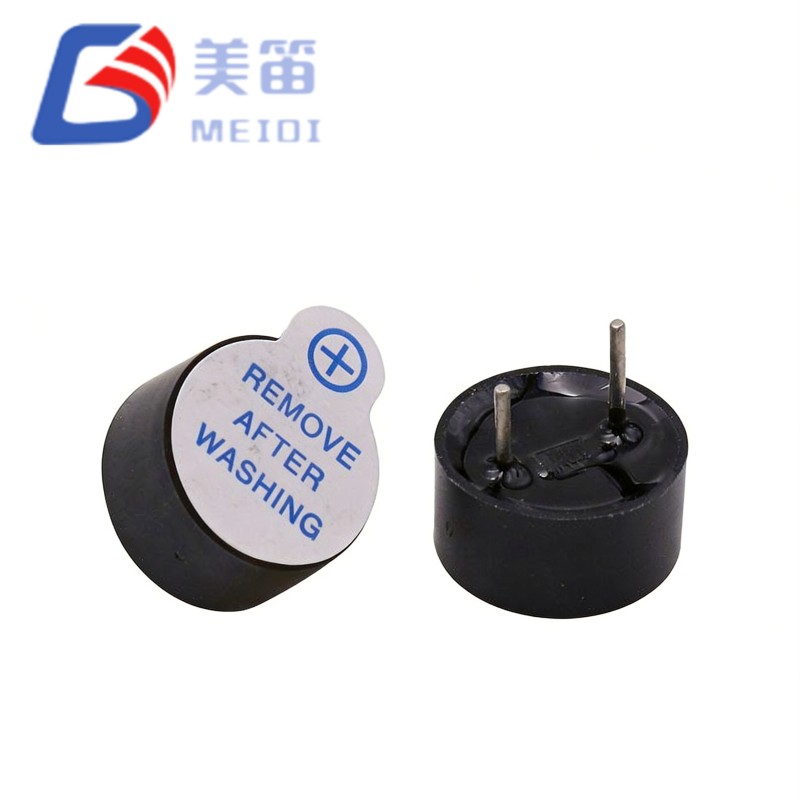
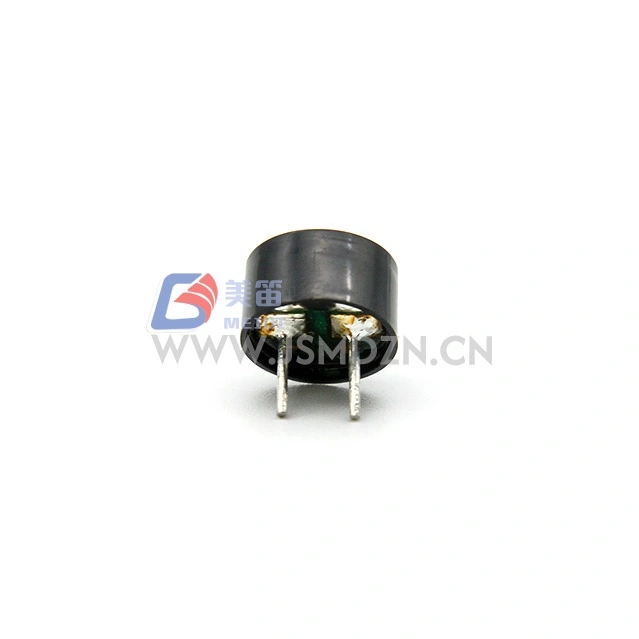
In short: An electromagnetic buzzer (often called a magnetic buzzer) turns a small coil-and-magnet voice coil into a dependable audible alert for appliances, alarms, automotive and industrial products. This 2026 guide explains how an electromagnetic buzzer works, compares active vs passive and magnetic vs piezoelectric builds, lists the key specifications to check, and shows how MEIDI develops custom and OEM electromagnetic buzzer solutions for design engineers and procurement teams.
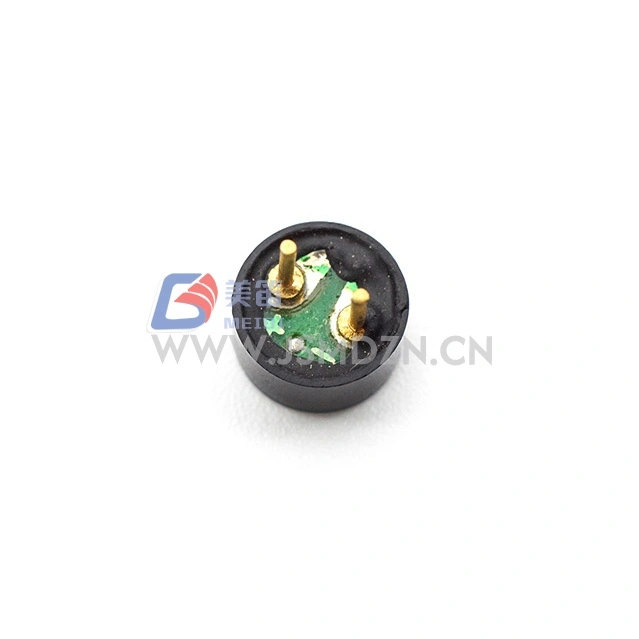
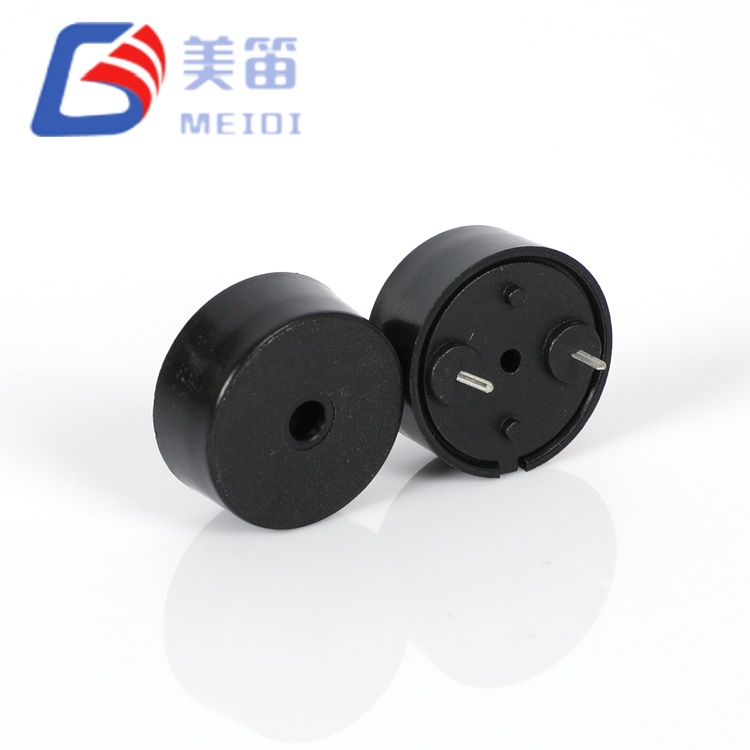
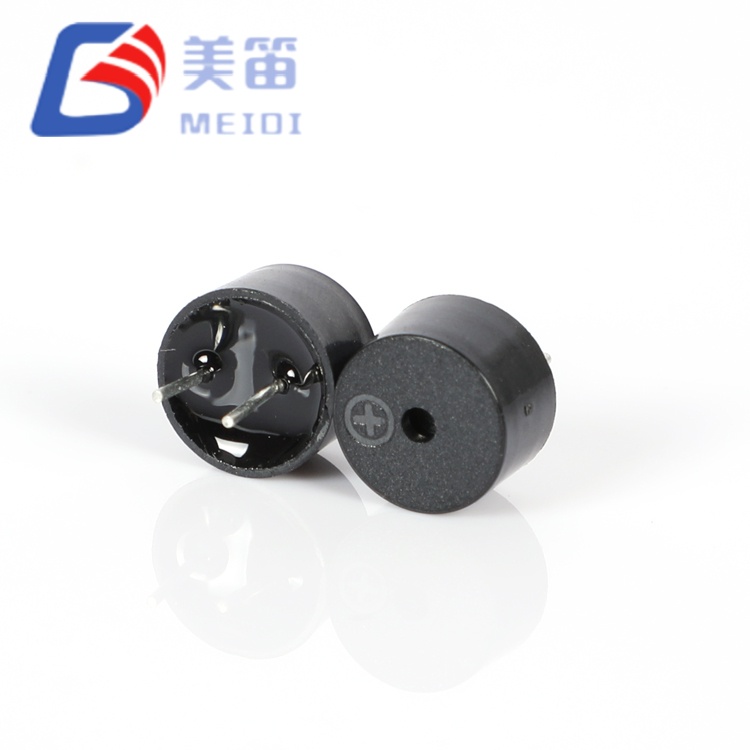
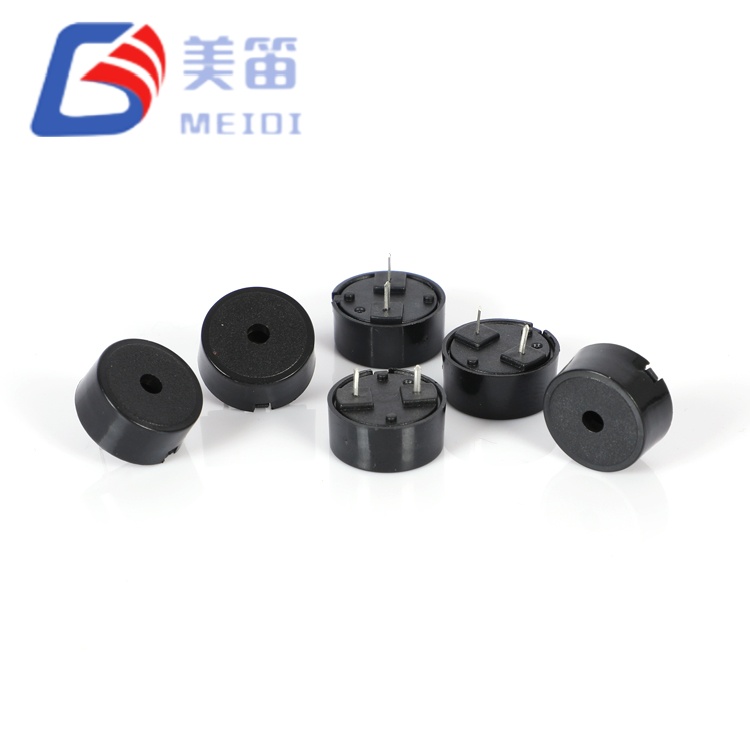
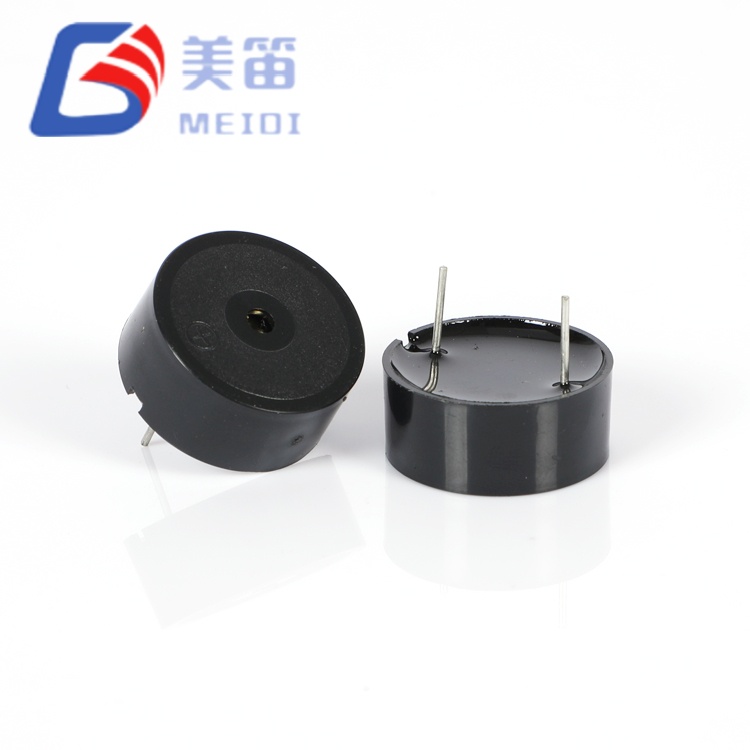
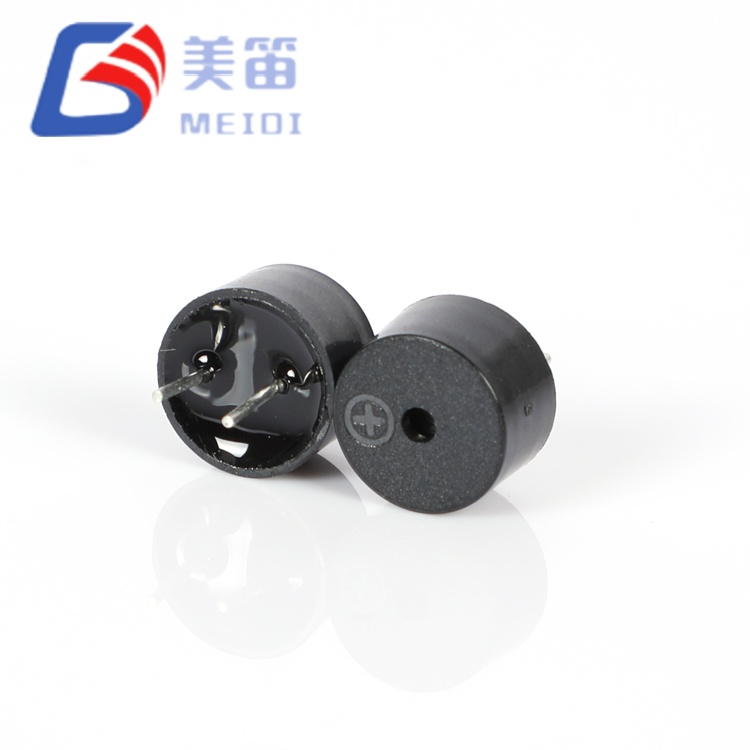
An electromagnetic buzzer is an electroacoustic transducer built around a coil, a permanent magnet and a ferromagnetic diaphragm (usually a small steel cap). When current flows through the coil it becomes an electromagnet that pulls the diaphragm toward the magnet; reverse the current and the diaphragm springs back. Repeat that thousands of times per second and you get a tone. Unlike a piezoelectric buzzer, which flexes a ceramic disc, an electromagnetic buzzer uses a moving-coil mechanism — the same principle as a loudspeaker, shrunk to a few millimetres. That makes electromagnetic buzzers a familiar, low-cost choice for any product that just needs to be heard.
Because the mechanism is mechanical and self-contained, an electromagnetic buzzer keeps working through vibration, humidity swings and years of switching cycles. For panels, meters and consumer goods, the electromagnetic buzzer remains the default sounder when a clear, low-pitched tone matters more than the absolute minimum power draw.
The mechanism is the moving-coil (voice-coil) principle. In a passive electromagnetic buzzer, you supply an alternating or pulsed drive signal that repeatedly energises the coil; the diaphragm oscillates at the drive frequency and radiates sound. In an active electromagnetic buzzer, an internal oscillator does that switching for you from a DC supply. Two facts shape the design:
That is why the same electromagnetic buzzer sounds louder at its rated resonant frequency than off it. When you specify an electromagnetic buzzer, the resonant frequency is the number that decides the real-world loudness inside your enclosure.
This is the first fork in any electromagnetic buzzer selection: does the oscillation live inside the part, or inside your firmware?
A passive electromagnetic buzzer contains only the coil and diaphragm — no oscillator. You feed it a square wave or AC signal at the tone frequency, and it sounds at that frequency. The advantage is pitch control: one passive electromagnetic buzzer can produce melodies, two-tone alarms, or a single confirmation beep. The cost is that your MCU or a driver IC must generate the waveform.
An active electromagnetic buzzer embeds an internal oscillator. Apply DC power within the rated range and it beeps on its own at a fixed tone. For a simple "power-on" chirp or fault alert, an active electromagnetic buzzer is the fastest path — no code, no extra parts, just a voltage rail and a series resistor.
Quick rule: need a fixed alert tone with zero firmware? Choose an active electromagnetic buzzer. Need pitch control, music or a two-tone alarm? Choose a passive electromagnetic buzzer and drive it.
Both make sound; they do it differently. A magnetic (electromagnetic) buzzer moves a coil and magnet; a piezoelectric buzzer flexes a ceramic disc. The practical trade-offs:
If you need a deep, loud, low-frequency alert at 3–12 V, an electromagnetic buzzer is frequently the better value. If the power budget and temperature span dominate, compare both on the bench before committing.
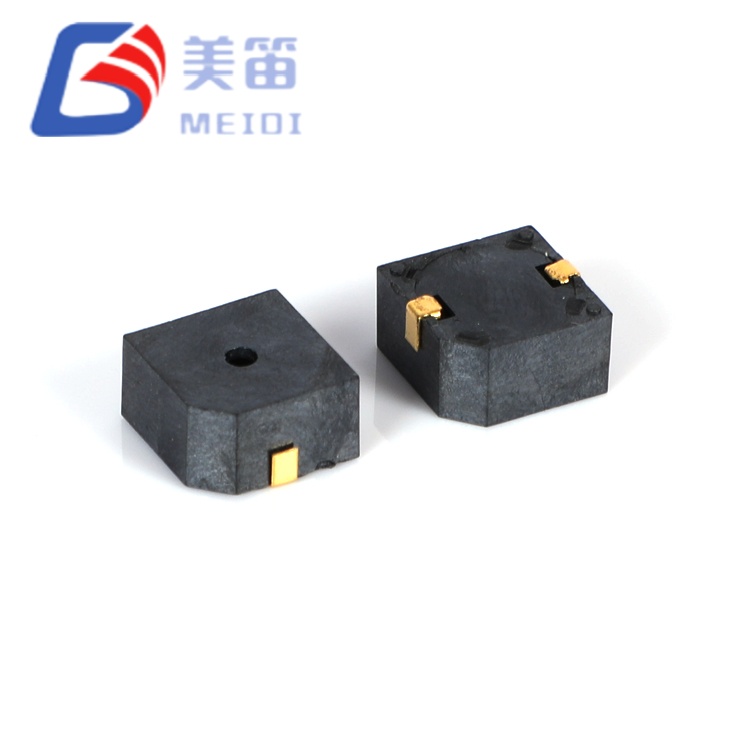
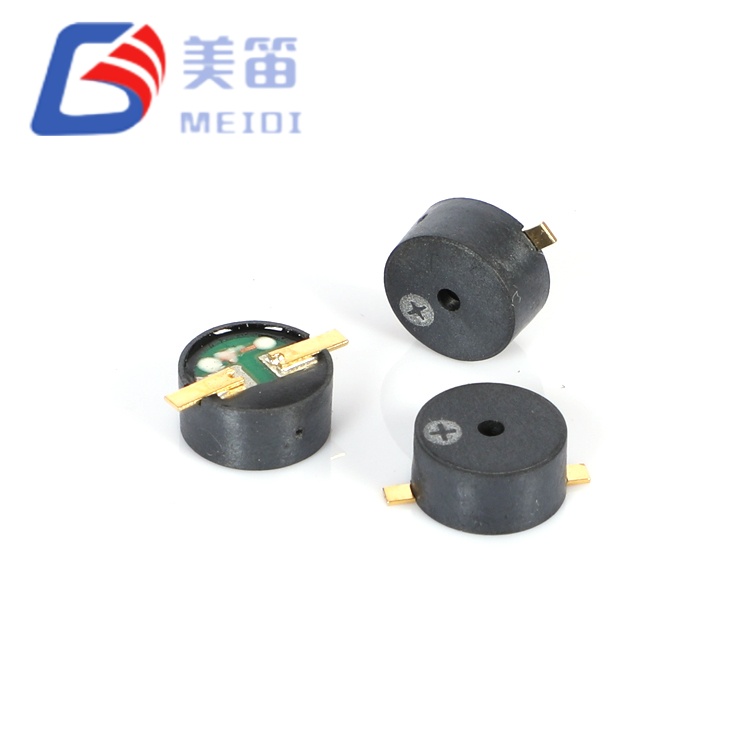
When board space is tight, the SMD electromagnetic buzzer reflow-solders straight onto the board. Parts in the MEIDI MLT series bring the moving-coil mechanism into a 5×5 mm or smaller footprint with no leads. An SMD electromagnetic buzzer survives automated assembly and stays consistent at volume — which is why it shows up in smart locks, wearables, home appliances and dashboard indicators. The trade-off versus a leaded electromagnetic buzzer is a slightly lower maximum sound output, so confirm the dB at your actual operating voltage before committing.
For reflow assembly, an SMD electromagnetic buzzer also removes a hand-insertion step and reduces placement error, which matters once your volume climbs past a few thousand units a month.
Reading an electromagnetic buzzer datasheet comes down to four numbers, plus two secondary ones:
Lock the voltage range and the resonant frequency first, because they decide whether the electromagnetic buzzer fits your board and your enclosure at all.
The drive circuit follows the type you picked. A passive electromagnetic buzzer wants a square wave — an MCU PWM pin through a current-limiting resistor, or a dedicated buzzer driver IC, works well. Keep the drive voltage inside the rated operating range; over-driving can saturate the coil or overheat it. An active electromagnetic buzzer needs only a clean DC supply and a series resistor; switch it with a transistor or MOSFET from your MCU GPIO. Because the coil is inductive, place a flyback diode across it to protect your output stage.
Jiangsu Meidi Intelligent Technology Co., Ltd. (MEIDI) manufactures electromagnetic buzzers across passive, active and SMD lines, with in-house coil winding and acoustic tuning — the steps that decide tone consistency from the first unit to volume production. Below is a representative selection from our range. Full mechanical drawings and the complete catalog are available on request. Every value is a measured specification; always confirm the latest datasheet before design-in.

| Model | Type | Rated V | Operating V | Resonant Freq. | Sound Output | Rated Current |
|---|---|---|---|---|---|---|
| HN-1295 | Passive | 5 V | 3–7 V | 2400 Hz | ≥85 dB | ≤80 mA |
| HN-2512 | Passive | 5/12 V | 3–7/9–14 V | 800 Hz | 85 dB | ≤30 mA |
| HN-9650E | Passive | 5 V | 4–6 V | 2700 Hz | ≥85 dB | ≤80 mA |
| HMB1206-05 | Active | 5 V | 3–7 V | 2700±300 Hz | ≥85 dB | ≤30 mA |
| HNB09A05 | Active | 5 V | 3–7 V | 2700±300 Hz | ≥85 dB | ≤30 mA |
| TMB12A05 | Active | 5 V | 3–7 V | 2400±300 Hz | ≥85 dB | ≤30 mA |
| TMB12A12 | Active | 12 V | 8–16 V | 2700±300 Hz | ≥88 dB | ≤30 mA |
| TMB12A24 | Active | 24 V | 18–26 V | 2400±300 Hz | ≥90 dB | ≤30 mA |
| MLT-5020 | SMD Passive | 3.0 V | 2–4 V | 4000±300 Hz | ≥80 dB | ≤100 mA |
| MLT-8530-16R | SMD Passive | 3.6 V | 2.5–4.5 V | 2700±200 Hz | ≥85 dB | ≤100 mA |
| MLT-9650Y-5V | SMD Active | 5 V | 4–7 V | 3000±300 Hz | ≥85 dB | ≤30 mA |
Use this five-step check before you commit an electromagnetic buzzer to your BOM:
When in doubt, send MEIDI your enclosure volume, supply and required loudness — we will suggest the electromagnetic buzzer that fits your cavity instead of guessing.
Jiangsu Meidi Intelligent Technology Co., Ltd. (MEIDI) is a dedicated buzzer and acoustic-component manufacturer, not a trading company. MEIDI is the export brand of the same manufacturing base, built for custom and OEM programs — if a standard part misses your enclosure, voltage or SPL target, we tune the coil and cavity to your spec. With automated production lines, an in-house acoustic test lab, and ISO 9001 and ISO 14001 management systems plus RoHS and REACH compliance, we support customers from prototype samples in days to stable mass production. If you are comparing an electromagnetic buzzer supplier, ask each one a simple question — who winds the coil, and who tests the tone? At MEIDI, the answer is the same: we do.
An electromagnetic buzzer uses a coil and magnet that move a steel diaphragm; a piezoelectric buzzer flexes a ceramic element under voltage. The electromagnetic buzzer wins on low-frequency loudness and low cost for basic alerts, while the piezoelectric type wins on power, durability and slim SMD designs. Pick the electromagnetic buzzer when you need a deeper tone at 3–12 V.
Choose a passive electromagnetic buzzer when your firmware already drives a PWM output and you want to control pitch or play melodies. Choose an active electromagnetic buzzer when you only need a fixed beep from DC power and want the simplest integration with no extra code.
Yes. MEIDI develops custom electromagnetic buzzer solutions with acoustic tuning, custom mechanical design and co-designed drive circuits. Evaluation samples are typically built within days so you can verify performance in your own enclosure.
MEIDI manufactures under ISO 9001 and ISO 14001 quality and environmental management systems, and our electromagnetic buzzer products meet RoHS and REACH substance requirements. Documentation travels with every shipment.
Standard models can usually ship within a few working days, and custom electromagnetic buzzer samples are typically built within days after the spec is confirmed. Contact our team with your voltage, SPL and footprint to start.
Need an electromagnetic buzzer for your next design?
Tell us your voltage, SPL and footprint, and we will recommend a standard model or propose a custom electromagnetic buzzer. Datasheets and free evaluation samples are available on request.
Contact: sales067@meidibuzzer.com | Website: www.meidibuzzer.com
This article is provided for engineering reference. Specifications reflect representative MEIDI electromagnetic buzzer models; always confirm the latest datasheet before design-in. © Jiangsu Meidi Intelligent Technology Co., Ltd. (MEIDI).