Ask "what is a buzzer used for?" and the honest answer is: it depends on the industry. Buzzer applications span automotive chimes, infusion pump alarms, washing-machine end tones, smoke detector sirens, PLC fault alerts, and wearable notification beeps. Each of these buzzer applications imposes a different mix of voltage, current, sound pressure, temperature, and duty-cycle demands — and industry reports value the global buzzer market at roughly USD 806 million in 2023, heading toward about USD 1.25 billion by 2032, which tells you how many product categories now depend on this single component.
This guide maps six major buzzer applications by industry, answers the questions buyers ask most about these buzzer applications in the FAQ, and then backs each sector with real MEIDI specifications instead of generic claims. The MEIDI product line covers electromagnetic, piezoelectric, active, passive, through-hole, and SMD families, so one supplier can serve mixed buzzer applications across a whole product portfolio.
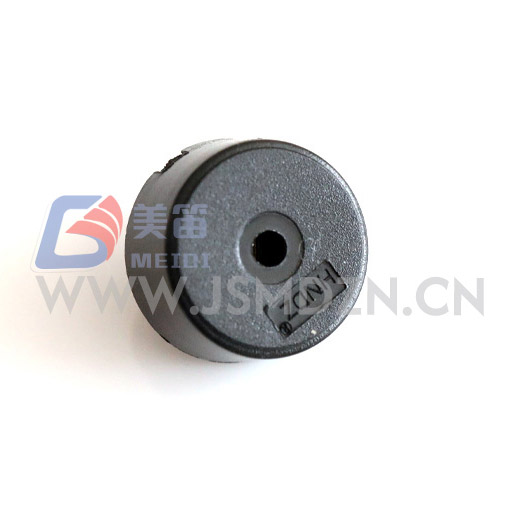
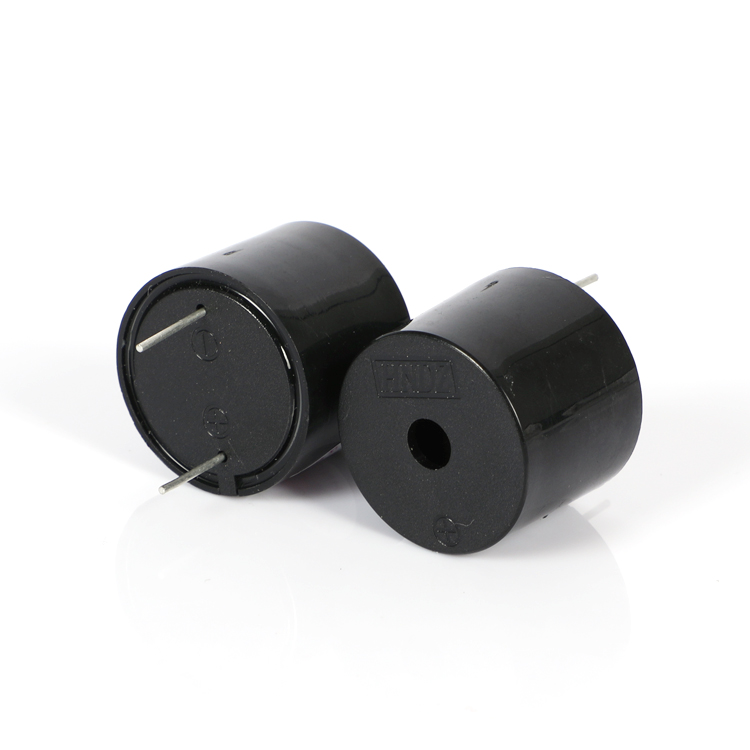
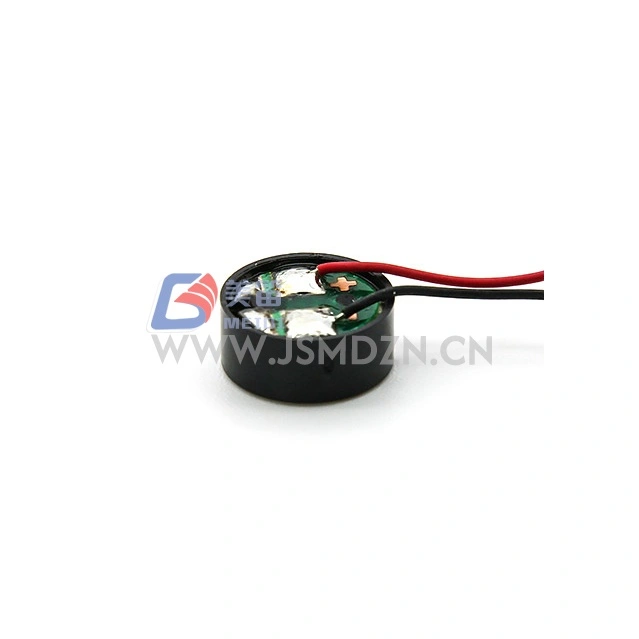
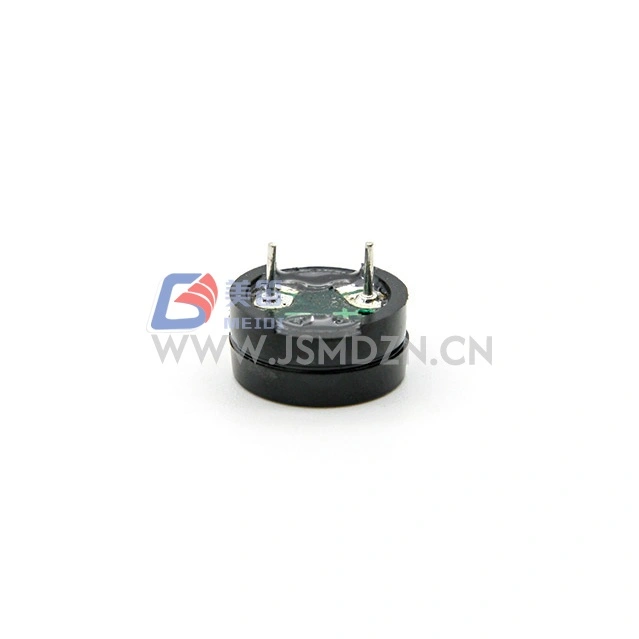
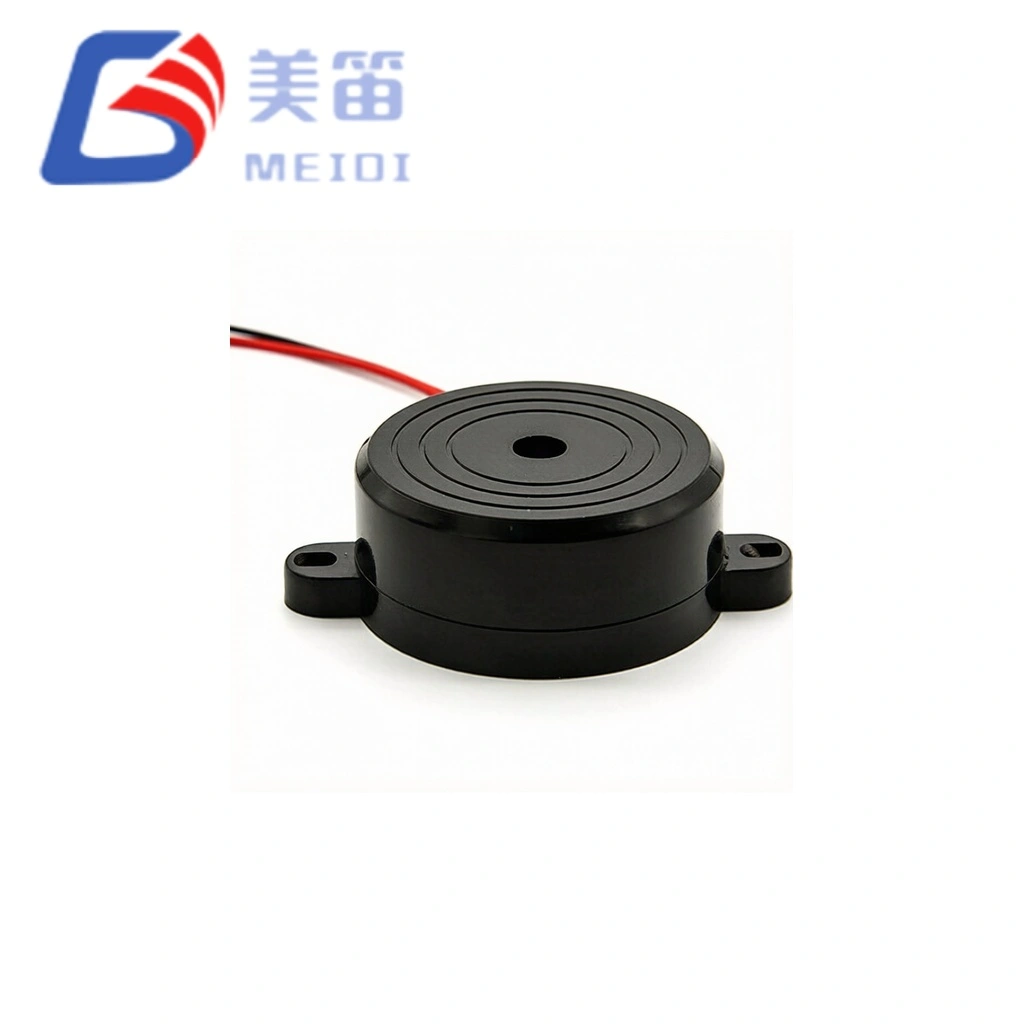
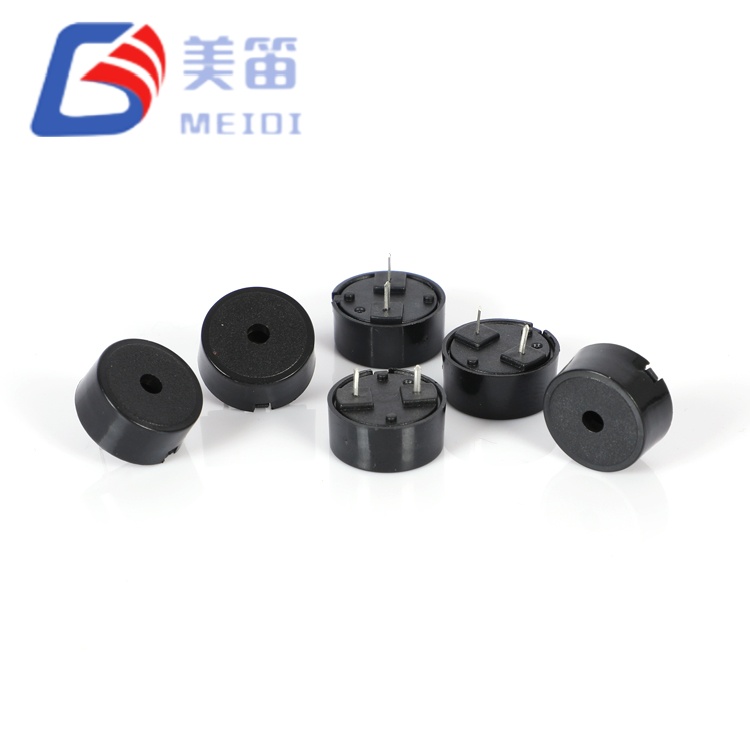
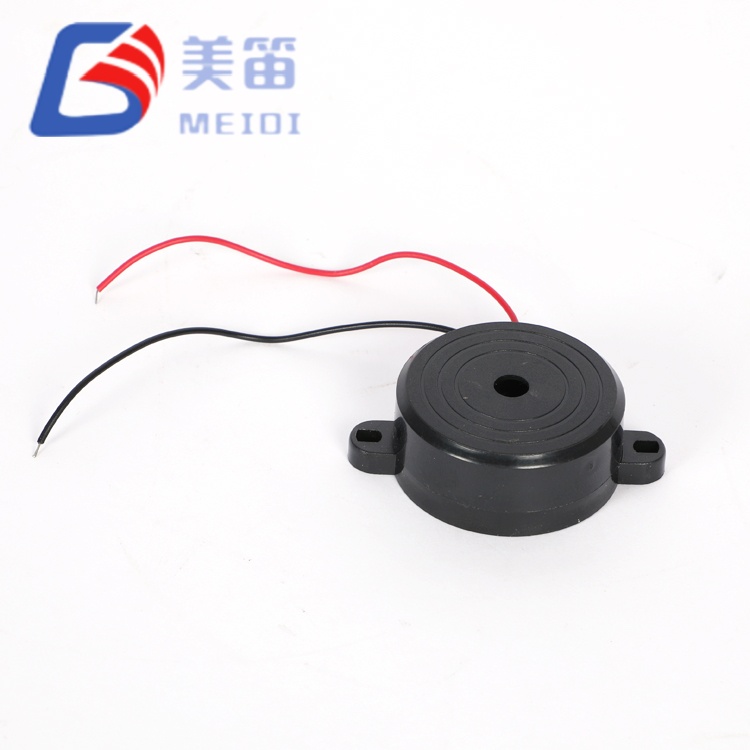
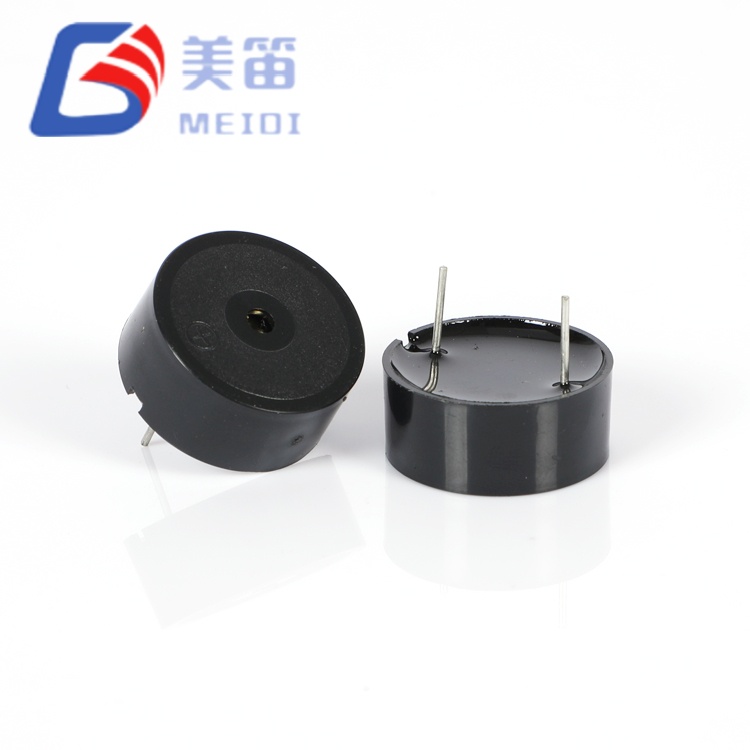
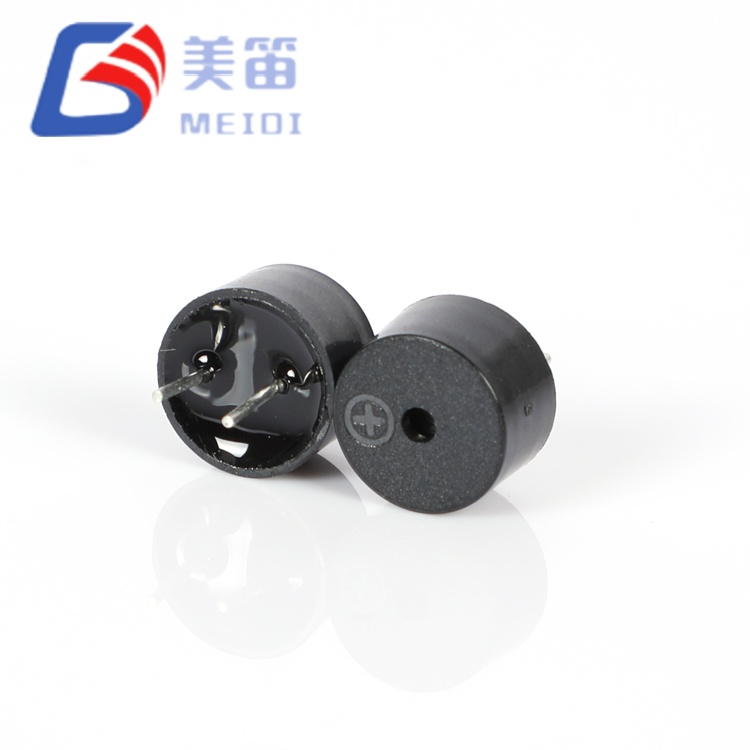
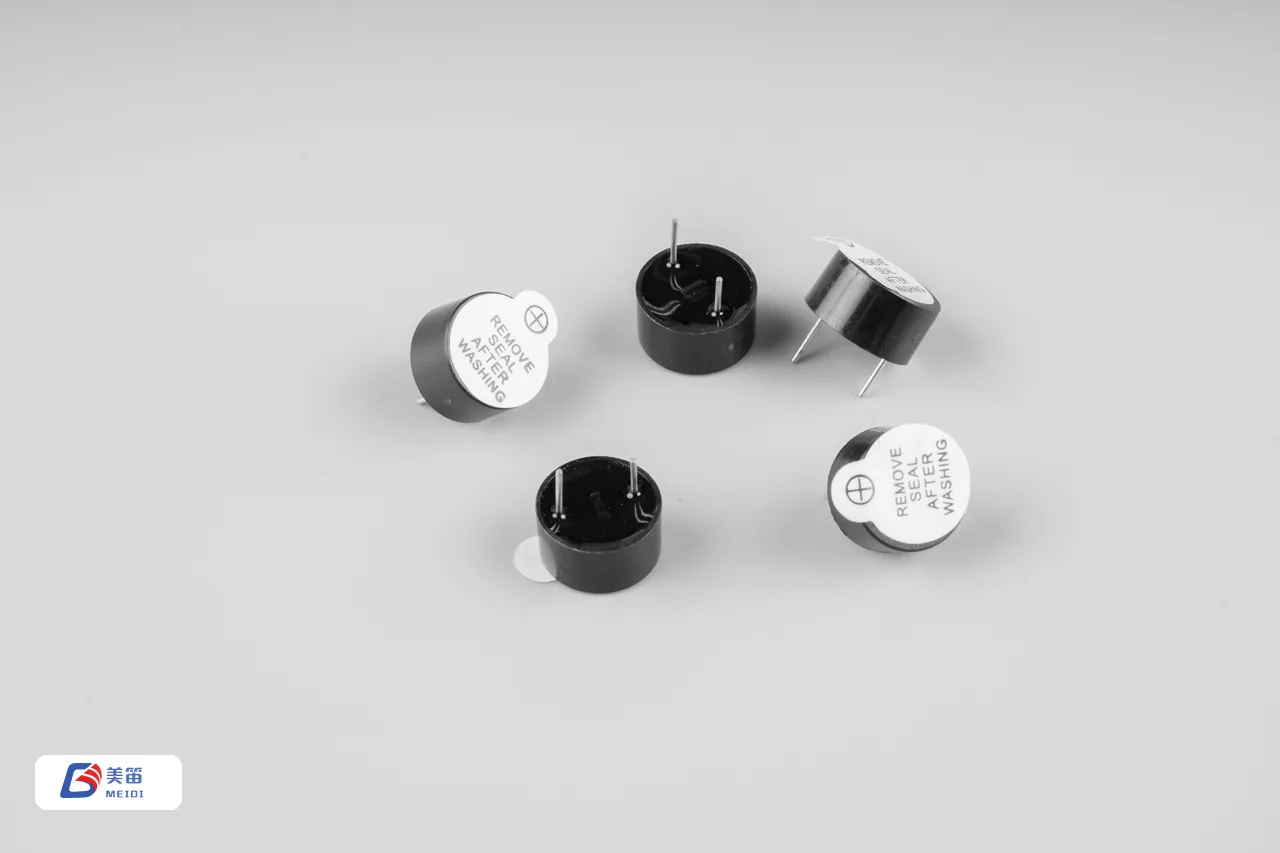 MEIDI buzzer families covering the six industry applications discussed in this guide.
The oldest and highest-volume buzzer applications live in the kitchen and laundry room. Microwave ovens announce finished cycles, washing machines confirm program steps, rice cookers, air fryers, and dishwashers all need a clear end-of-task tone. These home-appliance buzzer applications run for years in warm, humid cabinets, so buyers prioritize proven reliability, consistent tone, and low cost over exotic features.
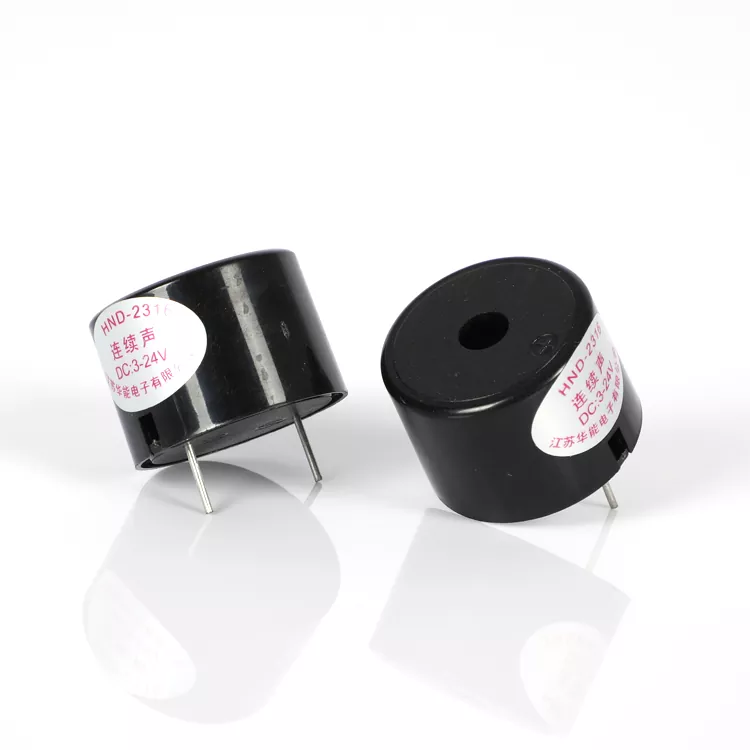
The MEIDI TMB12A series is the workhorse for these appliance buzzer applications, and for cost-driven buzzer applications in general. TMB12A03 runs on 3 V with 2–5 V operating range, TMB12A05 on 5 V with 3–7 V range, and both deliver ≥ 85 dB at 10 cm with a 2400 ± 300 Hz tone. For 12 V appliance control boards, TMB12A12 pushes ≥ 88 dB. Electromagnetic construction keeps the tone warm and familiar — exactly what consumers expect from a finished-cycle chime — and through-hole pins survive manual assembly lines that still dominate this segment.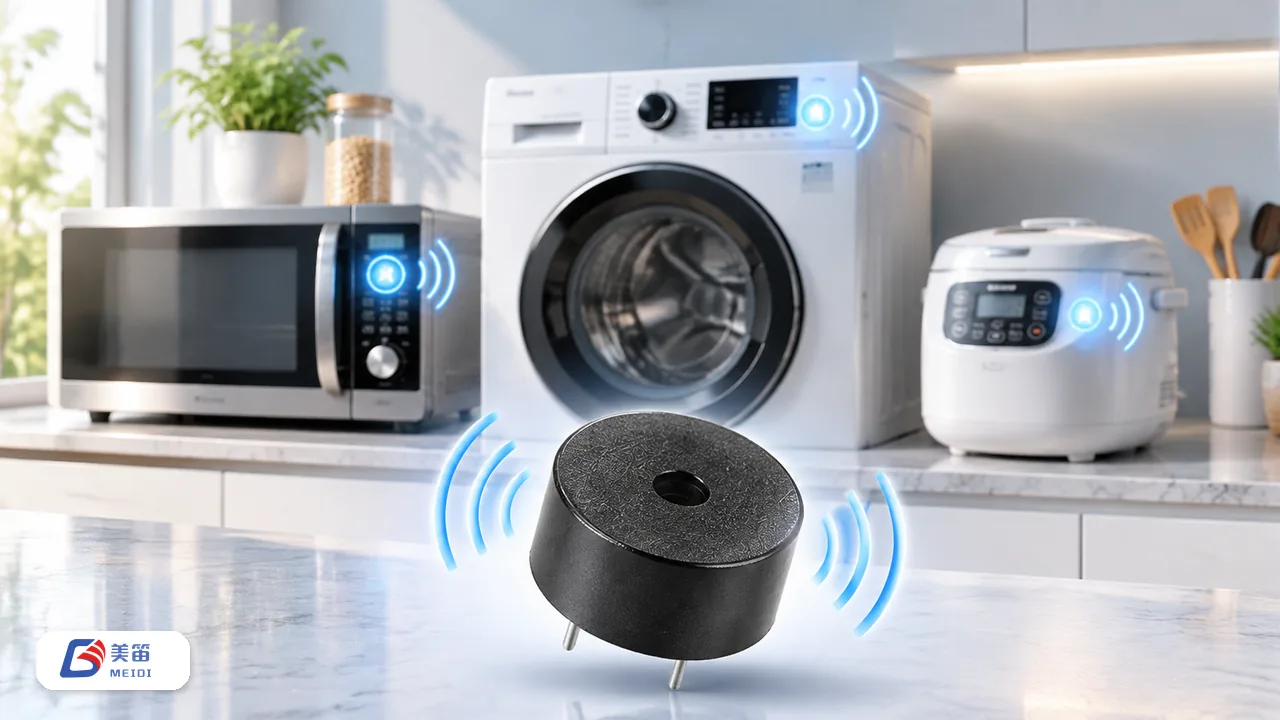
Medical buzzer applications are the most demanding of all buzzer applications in terms of trust. Glucose meters, pulse oximeters, infusion pumps, and portable monitors must alert without ambiguity and without draining a coin cell. The IEC 60601-1-8 standard, which governs alarm systems in medical electrical equipment, defines alarm frequencies in the 150–1000 Hz range and grades alarms by priority — a reminder that tone clarity is a safety feature, not a nicety.
These medical buzzer applications favor low-current piezoelectric types. The MEIDI HNR-1255PA series measures just 12.5 × 5.5 mm, draws ≤ 10 mA, and reaches ≥ 80 dB at 10 cm at 4000 Hz — thin enough for handheld housings, frugal enough for battery-powered meters. Among wearable buzzer applications, thickness matters as much as volume. Where a deeper tone is preferred, the HNR-1407PA7.5 (14 × 7 mm) raises output to ≥ 85 dB. A passive part like the HNR-1255PA also lets firmware shape multi-stage alert patterns, so one buzzer can distinguish a routine reminder from a critical warning.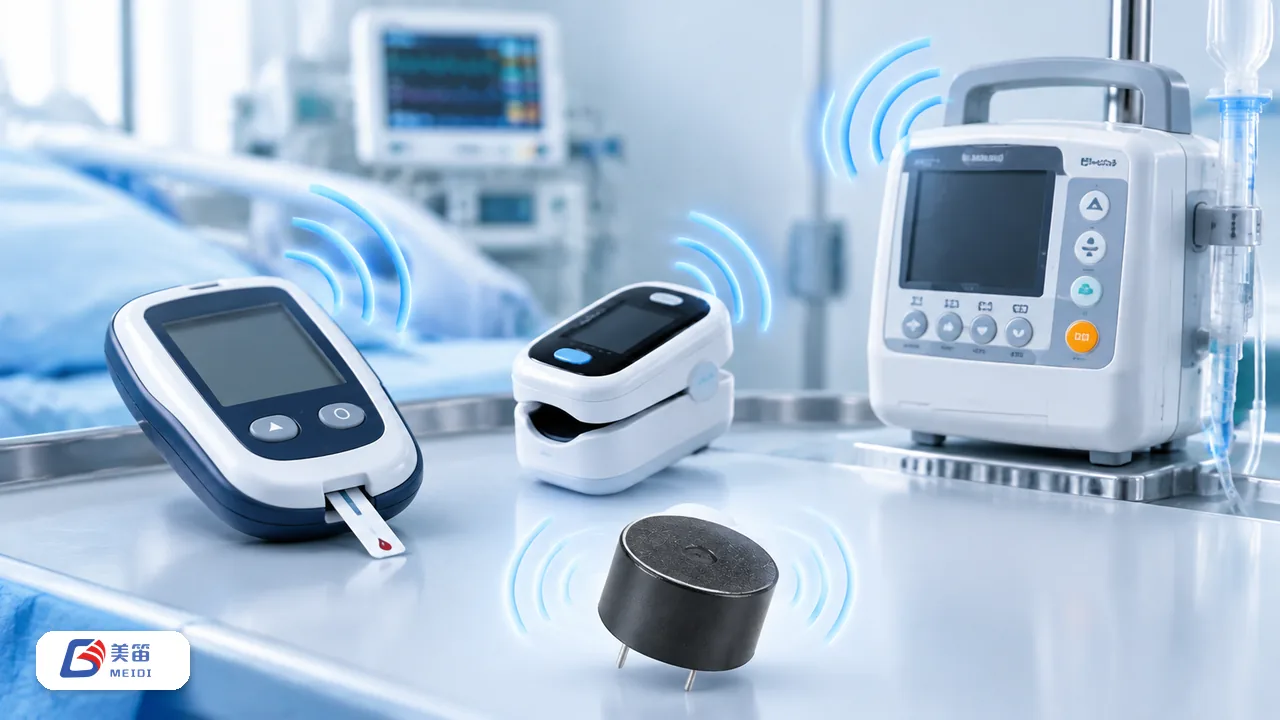
Automotive buzzer applications punish weak components like no other buzzer applications in this guide. Seatbelt reminders, reverse-gear alerts, key-in-ignition warnings, dashboard chimes, and EV battery-management notifications all face vibration, temperature swings, and electrical noise. Regulation pushes the requirements higher: U.S. FMVSS No. 208 expects a driver seatbelt audible warning lasting 4 to 8 seconds, while UNECE Regulation No. 16 in Europe calls for at least 30 seconds of audible alert on front seats.
Practical automotive buzzer applications on 12 V and 24 V vehicle rails need parts with honest wide-range ratings. The MEIDI HN-2512 dual-voltage electromagnetic buzzer covers 5 V (3–7 V) and 12 V (9–14 V) rails with an 800 Hz low-frequency tone at ≥ 85 dB — a frequency band that carries well through vehicle sheet metal. On 24 V commercial vehicles and e-bike controllers, TMB12A24 handles 18–26 V and reaches ≥ 90 dB at 10 cm. Electromagnetic parts here need a flyback diode in the driver circuit; that small detail decides whether the buzzer application survives the vehicle's electrical environment.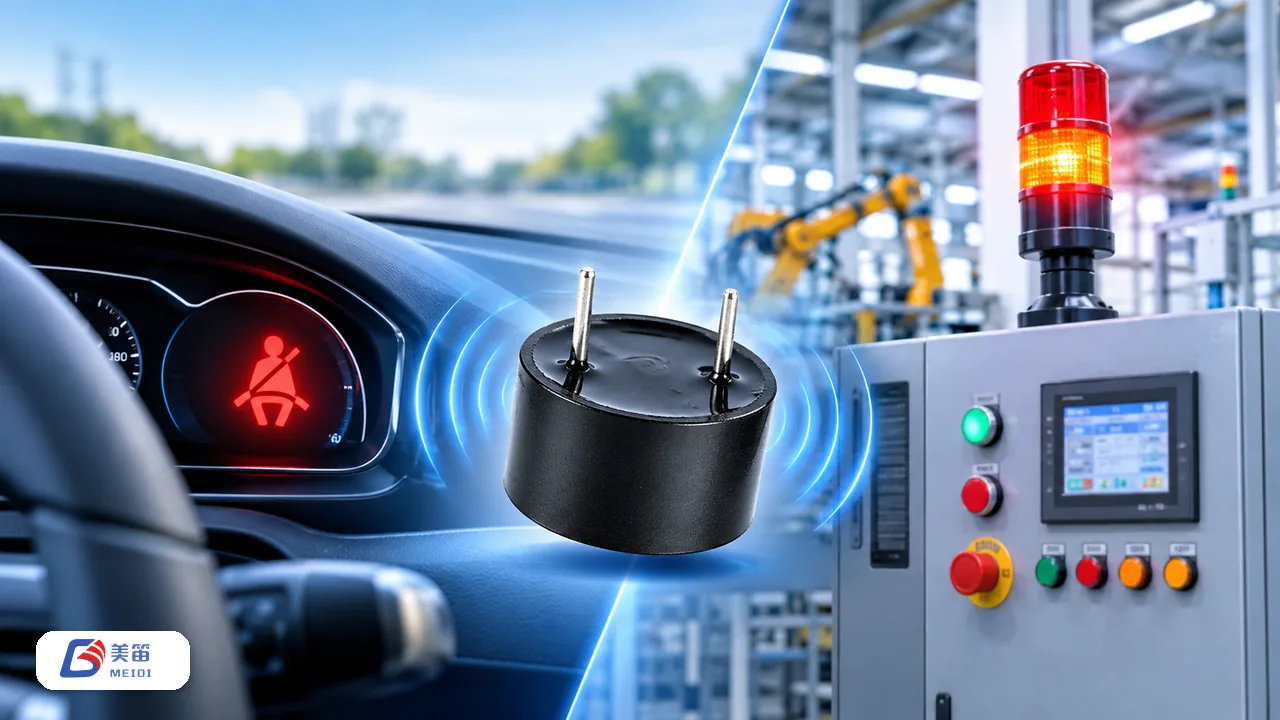
Security is where buzzer applications become life-safety buzzer applications. Smoke detectors, carbon-monoxide alarms, intrusion panels, gas-leak sensors, and personal alarms share three demands: high SPL that cuts through ambient noise, continuous-operation reliability, and current draw low enough for battery-backed standby.
Piezoelectric parts dominate these alarm buzzer applications, and the MEIDI HNR-2207 shows why. At Φ22 × 7 mm it delivers ≥ 85 dB at 12 V while drawing ≤ 3 mA — the kind of current a 9 V battery or backup cell can feed for years of standby. Its 2000 ± 500 Hz resonant band sits exactly where the human ear is most sensitive at night. For panel builders who need a lower mounting profile, the HNR-1707 (17 × 7.5 mm, ≥ 85 dB, ≤ 10 mA) covers compact intrusion and access-control buzzer applications with the same passive-drive flexibility for siren-style sweep tones.
Industrial buzzer applications — PLC racks, HMI panels, machine-tool enclosures, UPS units, and test instrumentation — run on 12 V and 24 V control rails and must stay audible over machine noise. A panel buzzer that reads 85 dB at 10 cm on the bench can vanish on a noisy floor, so these buzzer applications are specified at realistic distances and often paired with stack lights.
MEIDI covers these industrial buzzer applications with parts already proven in adjacent buzzer applications: TMB12A24 (24 V, ≥ 90 dB) suits panel and PLC buzzer applications, while HNB09A12 brings an active 12 V design (8–16 V, ≥ 85 dB, ≤ 30 mA) that needs no external oscillator — a simple two-wire drop-in for maintenance-friendly retrofits. The −20 to +70 °C operating range across these families handles cabinet heat, and the electromagnetic tone carries a mechanical authority that operators recognize as a fault signal rather than a notification.
The newest buzzer applications are the smallest — and the fastest-growing group of buzzer applications in this guide. Smart-home sensors, wearables, trackers, and compact consumer devices need SMD parts that survive reflow, draw microamp-level idle current, and fit footprints measured in millimeters. Unlike appliance buzzer applications, these devices often sleep for weeks and must wake with a crisp alert.
For such compact buzzer applications, the MEIDI MLT-8530-32R SMD electromagnetic buzzer (8.5 × 8.5 × 3.0 mm) handles reflow assembly and delivers ≥ 85 dB at 5 V with ≤ 80 mA, while the MLT-7525-16R (7.5 × 7.5 × 2.5 mm, −30 to +70 °C) serves tighter 3.6 V designs. For the thinnest wearable buzzer applications, HNT-9042-05 packs an active electromagnetic driver into 9.0 × 4.2 × 4.2 mm at ≥ 85 dB — a part that pairs naturally with the compact-device designs covered in our SMD buzzer selection guide. Passive piezo types in this group let one firmware build assign different beep patterns to different events.
The matrix below compresses the six buzzer applications above into a quick lookup for cross-industry buzzer applications — the same table format engineers use to shortlist parts before opening datasheets.
| Industry | Typical buzzer applications | Top priority | MEIDI models |
|---|---|---|---|
| Home appliances | Microwave, washer, cooker end-tones | Cost, tone consistency | TMB12A03 / 05 / 12 |
| Medical & portable | Glucose meter, oximeter, pump alarm | Low current, clean tone | HNR-1255PA, HNR-1407PA7.5 |
| Automotive & EV | Seatbelt, reverse, dashboard alerts | Wide voltage, vibration tolerance | HN-2512, TMB12A24 |
| Security & alarm | Smoke, CO, intrusion, gas alarms | High SPL, ultra-low standby current | HNR-2207, HNR-1707 |
| Industrial control | PLC, HMI, UPS fault alerts | 12/24 V rails, −20~70 °C | TMB12A24, HNB09A12 |
| IoT & consumer | Wearables, sensors, smart home | SMD reflow, compact size | MLT-8530-32R, HNT-9042-05 |
Bookmark this matrix when comparing buzzer applications across product lines.
Every model above is drawn from the MEIDI production catalog — not placeholders — because buzzer applications fail when a datasheet exaggerates. These are the exact specifications that back the buzzer applications in this guide.
| Model | Type | Rated V | Operating V | Resonant freq | SPL min | Current | Package (mm) |
|---|---|---|---|---|---|---|---|
| TMB12A05 | Electromagnetic active | 5 V | 3–7 | 2400 ± 300 Hz | ≥ 85 dB @ 10 cm | ≤ 30 mA | 12.0 × 9.5 |
| TMB12A24 | Electromagnetic active | 24 V | 18–26 | 2400 ± 300 Hz | ≥ 90 dB @ 10 cm | ≤ 30 mA | 12.0 × 9.5 |
| HN-2512 | Electromagnetic passive | 5 / 12 V | 3–7 / 9–14 | 800 ± 300 Hz | ≥ 85 dB | ≤ 30 mA | 25 × 12 |
| HNR-1255PA5.0 | Piezoelectric passive | 5 V | 1–30 | 4000 ± 500 Hz | ≥ 80 dB @ 10 cm | ≤ 10 mA | 12.5 × 5.5 |
| HNR-2207 | Piezoelectric passive | 12 V | 1–30 | 2000 ± 500 Hz | ≥ 85 dB | ≤ 3 mA | Φ22 × 7 |
| MLT-8530-32R | SMD electromagnetic passive | 5 V | 4.5–6.5 | 2700 ± 300 Hz | ≥ 85 dB @ 10 cm | ≤ 80 mA | 8.5 × 8.5 × 3.0 |
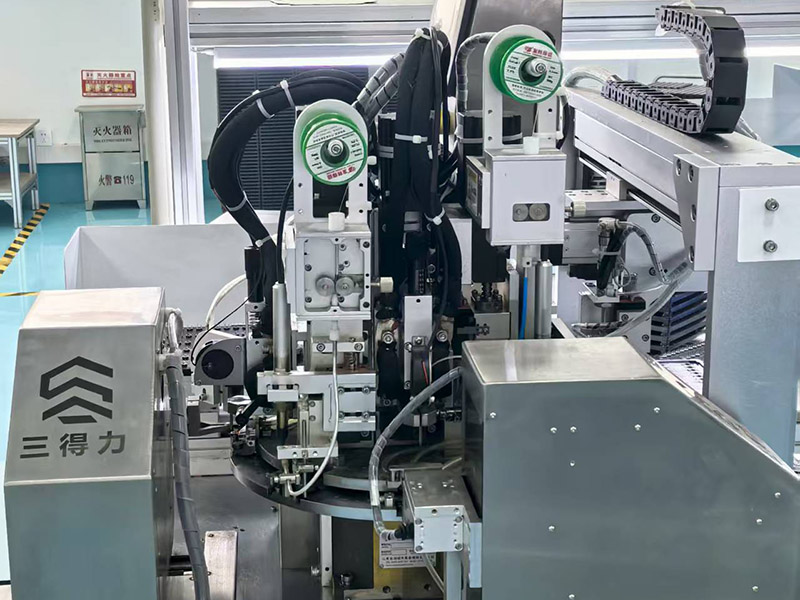
Serving multiple buzzer applications from one catalog is harder than it looks, and cross-industry buzzer applications share one hidden requirement — consistent batch testing: an appliance buyer wants 5 V active parts in the millions, a security OEM wants 3 mA standby piezo parts with batch-traceable SPL, and an IoT startup wants SMD samples tomorrow. MEIDI has manufactured electro-acoustic components for 15 years from its 2011 factory, with automated lines and lot-level testing behind every shipment. All buzzer applications above are produced under an ISO 9001 / ISO 14001 quality system and shipped RoHS and REACH compliant, and the engineering team supports OEM customization of frequency, voltage, and mounting. For drive and wiring questions that cut across these buzzer applications, the buzzer wiring and drive guide and the electromagnetic buzzer guide cover the circuit side in detail.
Active electromagnetic buzzers like the MEIDI TMB12A series. They run directly from 3–24 V DC rails, need no oscillator, hold ≥ 85 dB output, and have decades of field history in microwaves and washers — the profile most appliance buzzer applications were designed around.
Low current draw for battery life, a clean stable tone, and the ability to encode alarm priority in firmware. Passive piezo parts such as the HNR-1255PA keep current ≤ 10 mA and let software build graded alarms in medical buzzer applications, aligned with IEC 60601-1-8 thinking.
Choose a part rated for the actual rail. MEIDI covers 12 V vehicle circuits with HN-2512 and 24 V commercial circuits with TMB12A24 (18–26 V). Running a 12 V part on a 24 V truck rail will overdrive it and shorten life.
Standby current. A smoke detector must hold a 9 V battery for a year or more, and a piezo part like the HNR-2207 draws ≤ 3 mA while still reaching ≥ 85 dB — a combination electromagnetic coils cannot match.
Yes, when the profile follows the datasheet. MEIDI SMD families such as the MLT series are built for lead-free reflow; see the SMD selection guide for peak-temperature and layout guidance.
They are produced under ISO 9001 and ISO 14001 management systems and are RoHS and REACH compliant. Request the specific certificates together with SPL and frequency test data when qualifying any model.
-