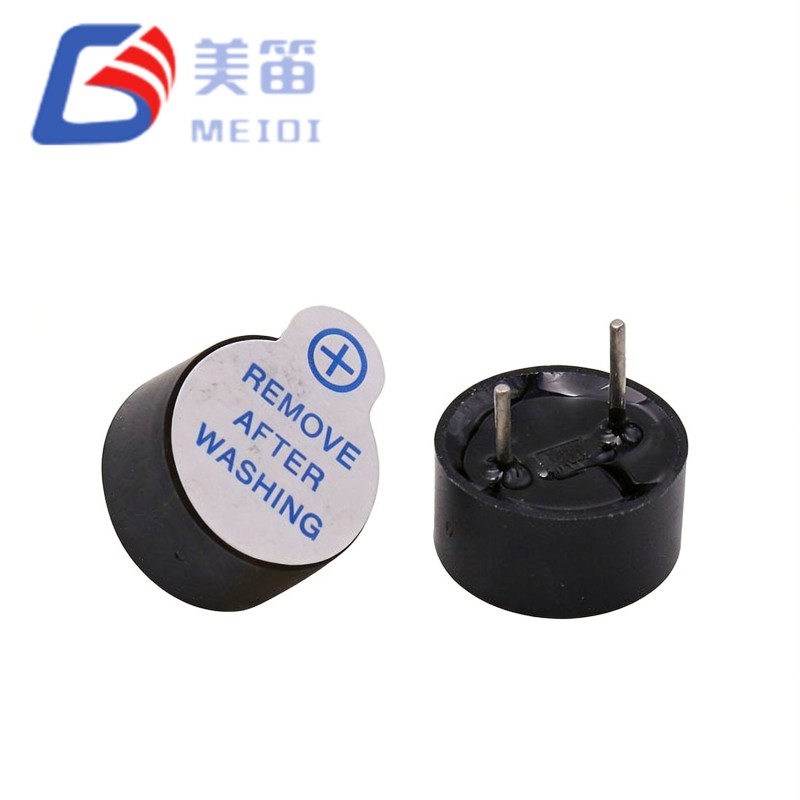
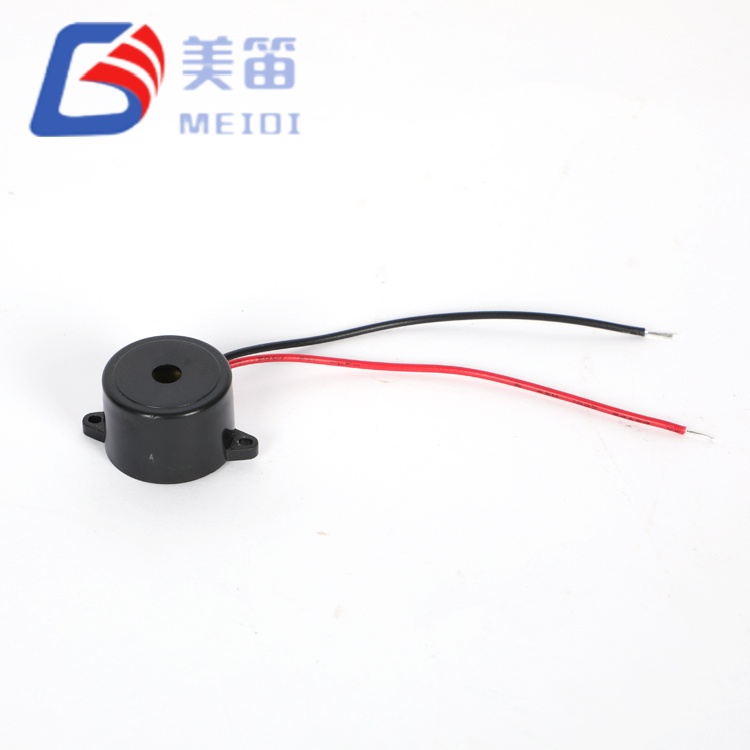
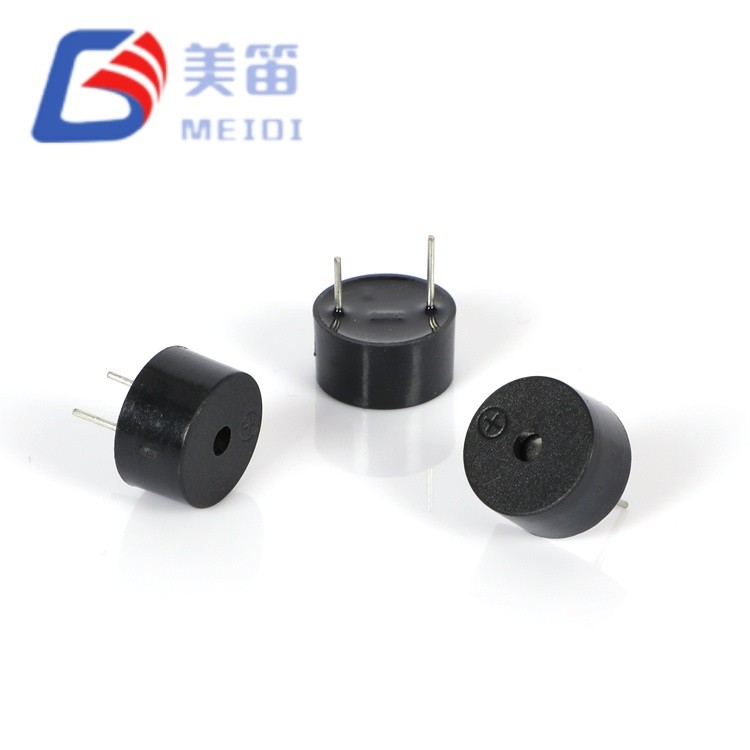
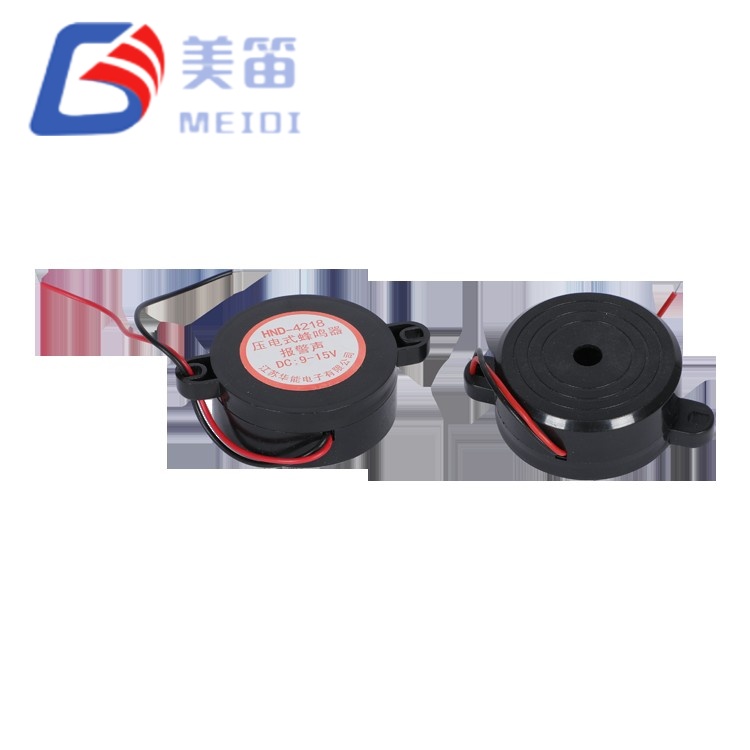
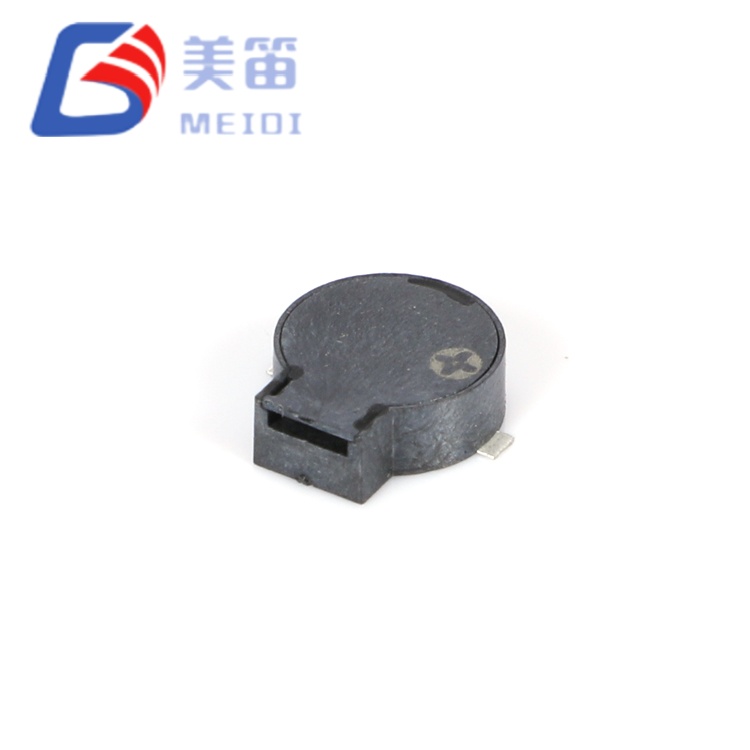
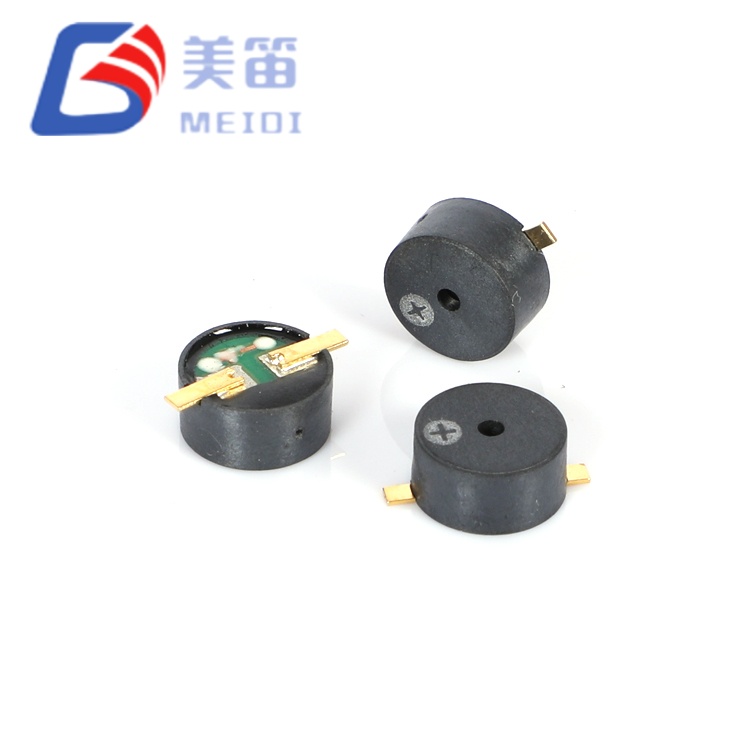
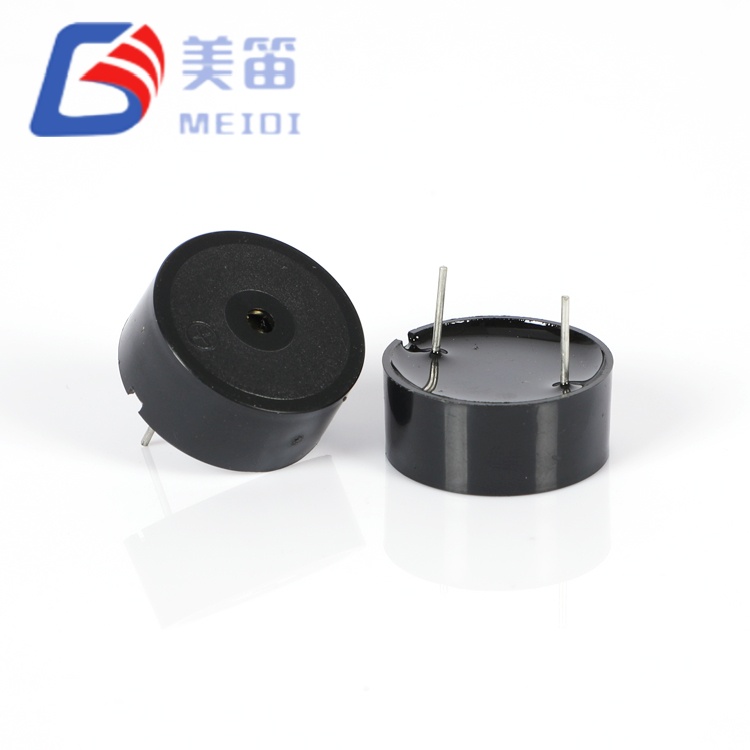
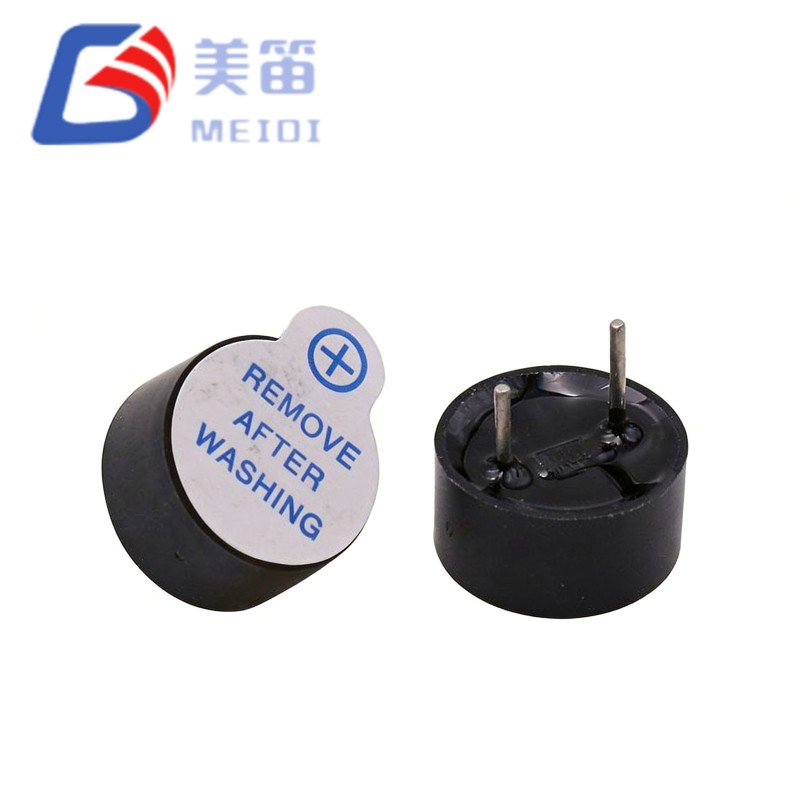
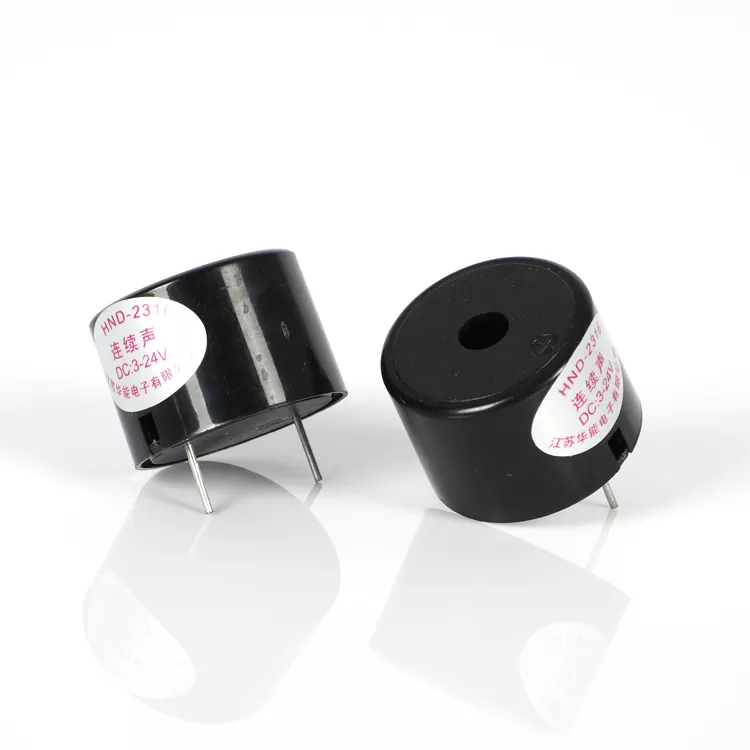
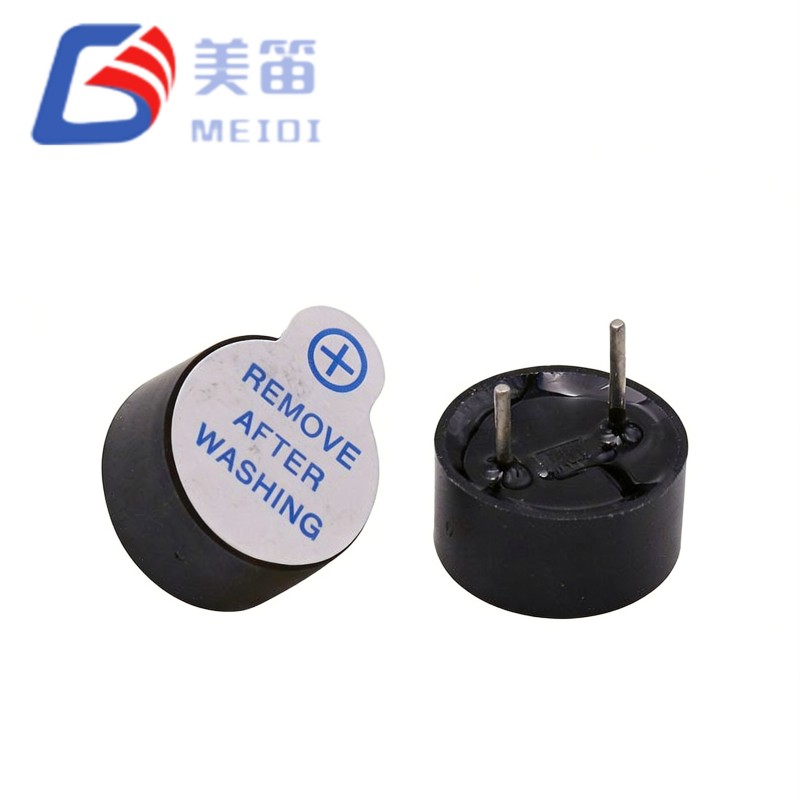
An electromagnetic buzzer is a compact yet highly reliable electronic sound-producing device widely used in industrial equipment, household appliances, security systems, medical devices, automotive applications, and control panels. Understanding how an electromagnetic buzzer works helps engineers and buyers select the right alarm solution for their specific applications. This article explains the operating principle, internal structure, advantages, selection considerations, common problems, and practical applications of electromagnetic buzzers. With professional manufacturing experience, MEIDI provides dependable electromagnetic buzzer solutions designed to meet different voltage, sound, size, and environmental requirements.
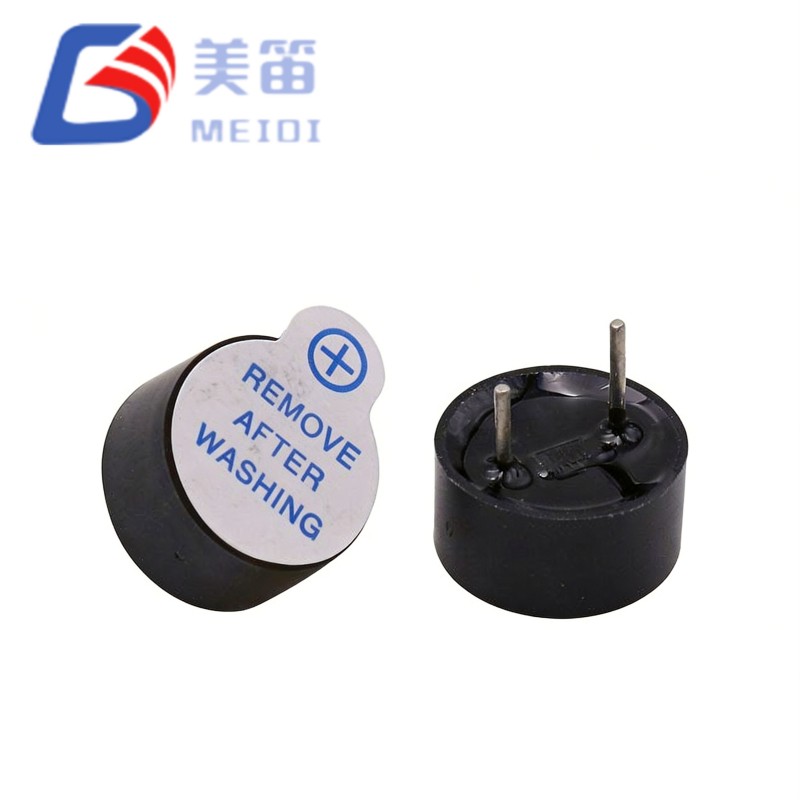
An electromagnetic buzzer is an electronic acoustic device that converts electrical energy into sound energy through electromagnetic vibration. It creates audible signals by using a coil, magnetic field, and vibrating diaphragm. When an electrical current passes through the coil, an electromagnetic force is generated, causing the internal metal diaphragm to vibrate rapidly and produce sound.
Unlike complex audio systems, electromagnetic buzzers are designed for simple, efficient, and instant sound notifications. They are especially suitable for applications where users need immediate warnings, reminders, or status indications.
Modern electromagnetic buzzers are available in different voltage ratings, sound pressure levels, mounting structures, and operating environments. Manufacturers such as MEIDI develop customized buzzer solutions to satisfy various industrial and commercial requirements.
The working principle of an electromagnetic buzzer is based on electromagnetic induction and mechanical vibration. The process involves several key steps:
The frequency and strength of the vibration determine the sound characteristics of the buzzer, including volume, tone, and response speed. Because the structure is simple and efficient, electromagnetic buzzers can provide stable performance over long operating periods.
| Working Stage | Main Action | Result |
|---|---|---|
| Power Supply | Electric current enters the coil | Creates electromagnetic energy |
| Magnetic Reaction | Magnetic force moves internal parts | Produces mechanical vibration |
| Sound Conversion | Diaphragm vibrates continuously | Generates audible alarm signals |
Although an electromagnetic buzzer has a compact design, each internal component plays an important role in achieving reliable sound performance.
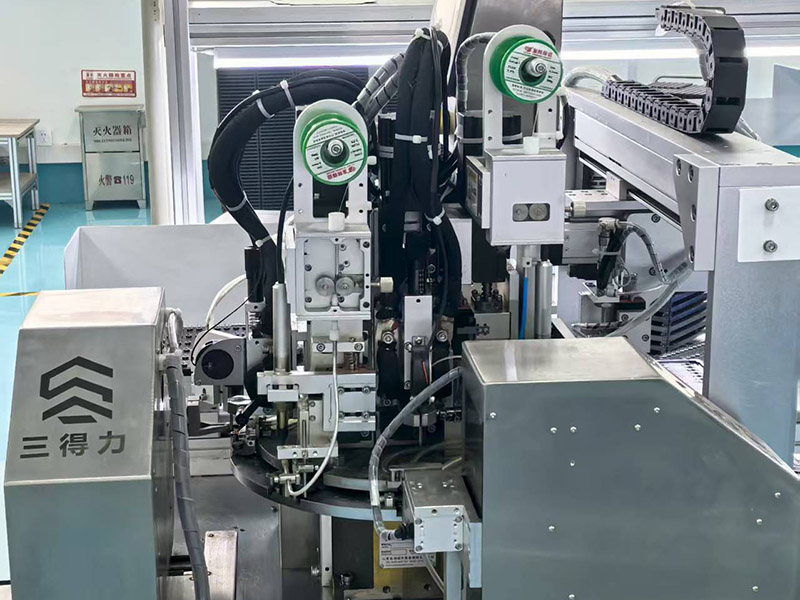
The quality of these components directly influences sound consistency, operating lifespan, and resistance to vibration or environmental changes. Professional manufacturers focus on precise production processes to ensure stable performance.
Electromagnetic buzzers remain popular because they offer multiple practical benefits for engineers, equipment manufacturers, and end users.
| Advantages | Description |
|---|---|
| Fast Response | Produces immediate sound signals when power is applied. |
| Compact Size | Fits easily into limited installation spaces. |
| Low Power Consumption | Suitable for battery-powered and energy-efficient devices. |
| High Reliability | Simple structure reduces failure points. |
| Easy Installation | Compatible with many electronic circuits and control systems. |
For equipment manufacturers, choosing a reliable electromagnetic buzzer can improve product safety, user experience, and operational efficiency.
Electromagnetic buzzers are widely applied across different industries because of their reliability and instant notification capability.
Different applications require different buzzer specifications. For example, industrial environments may require stronger sound output and improved durability, while consumer electronics may focus more on compact size and low power consumption.
Selecting the correct electromagnetic buzzer requires careful consideration of electrical, mechanical, and environmental factors.
| Selection Factor | Important Consideration |
|---|---|
| Voltage Rating | Choose a buzzer compatible with the equipment power supply. |
| Sound Pressure Level | Select the appropriate volume according to the application environment. |
| Operating Temperature | Ensure stable performance under expected temperature conditions. |
| Installation Method | Confirm mounting style and available space. |
| Durability Requirements | Consider vibration, dust, and moisture resistance. |
Working with an experienced supplier like MEIDI allows customers to receive professional recommendations and customized electromagnetic buzzer solutions based on actual project requirements.
| Problem | Possible Cause | Solution |
|---|---|---|
| No Sound Output | Incorrect wiring or insufficient power supply | Check electrical connection and voltage compatibility |
| Low Sound Volume | Component aging or improper installation | Inspect installation position and replace damaged parts |
| Unstable Sound | Voltage fluctuation or internal damage | Improve power stability and check buzzer quality |
| Short Service Life | Harsh working environment | Select a suitable protection level and durable model |
Regular inspection and selecting a properly designed buzzer can significantly reduce maintenance costs and improve equipment reliability.
| Feature | Electromagnetic Buzzer | Piezo Buzzer | Speaker |
|---|---|---|---|
| Structure | Simple electromagnetic mechanism | Piezoelectric ceramic element | Complex sound reproduction system |
| Power Requirement | Low to moderate | Very low | Usually higher |
| Main Application | Alarm and notification | Compact electronic devices | Audio playback |
| Sound Type | Clear warning tone | High-frequency signal | Full-range sound |
Q1: What is the main purpose of an electromagnetic buzzer?
An electromagnetic buzzer is mainly used to provide audible alerts, warnings, reminders, and status notifications in electronic equipment.
Q2: How long can an electromagnetic buzzer operate?
The service life depends on design quality, operating conditions, voltage stability, and usage frequency. High-quality models can provide reliable long-term operation.
Q3: Can electromagnetic buzzers be customized?
Yes. Manufacturers can customize voltage, sound level, dimensions, terminals, and installation methods according to customer requirements.
Q4: Why does buzzer quality matter?
A reliable buzzer ensures consistent alarm performance, reduces equipment downtime, and improves user safety.
Q5: Why choose MEIDI for electromagnetic buzzer solutions?
MEIDI focuses on developing and manufacturing reliable buzzer products with professional production capabilities and customized service support for different industries.
Electromagnetic buzzers play an important role in modern electronic systems by providing fast, reliable, and efficient sound notifications. Their simple structure, strong adaptability, and wide application range make them an ideal choice for industrial equipment, consumer electronics, automotive systems, and safety devices.
Choosing the right electromagnetic buzzer requires attention to voltage, sound output, durability, and application requirements. MEIDI continues to provide dependable electromagnetic buzzer products and customized solutions to help customers improve product performance and reliability. If you need professional electromagnetic buzzer support or customized solutions, please contact us today for more information.