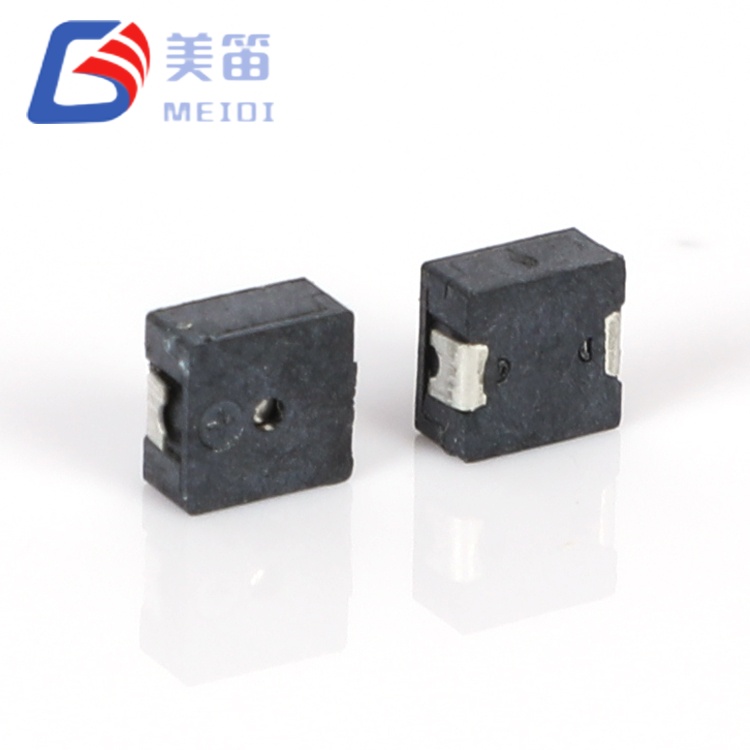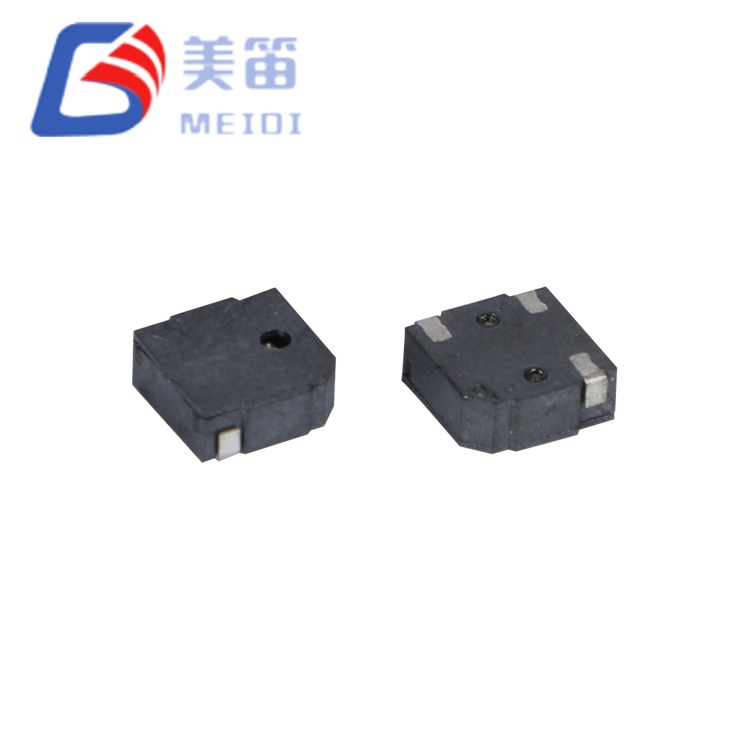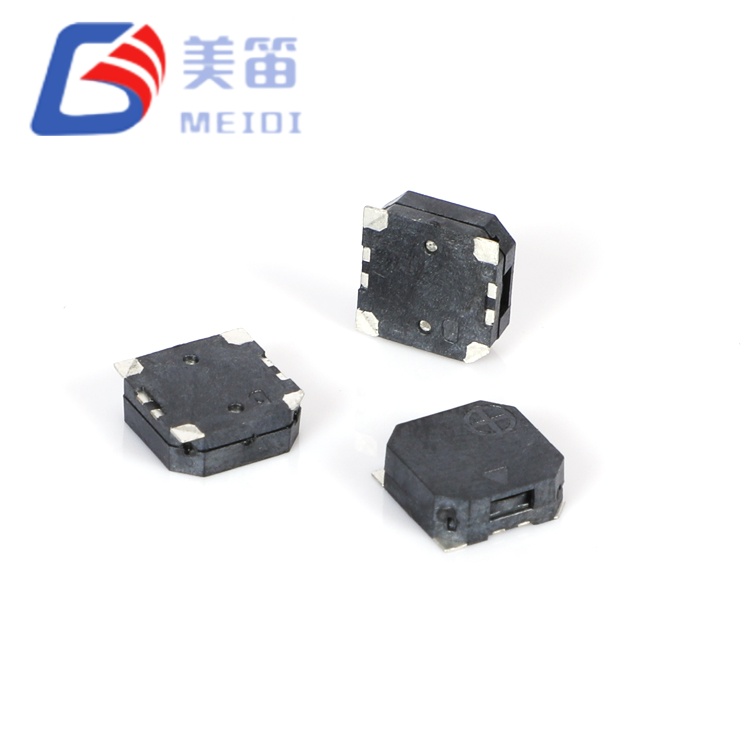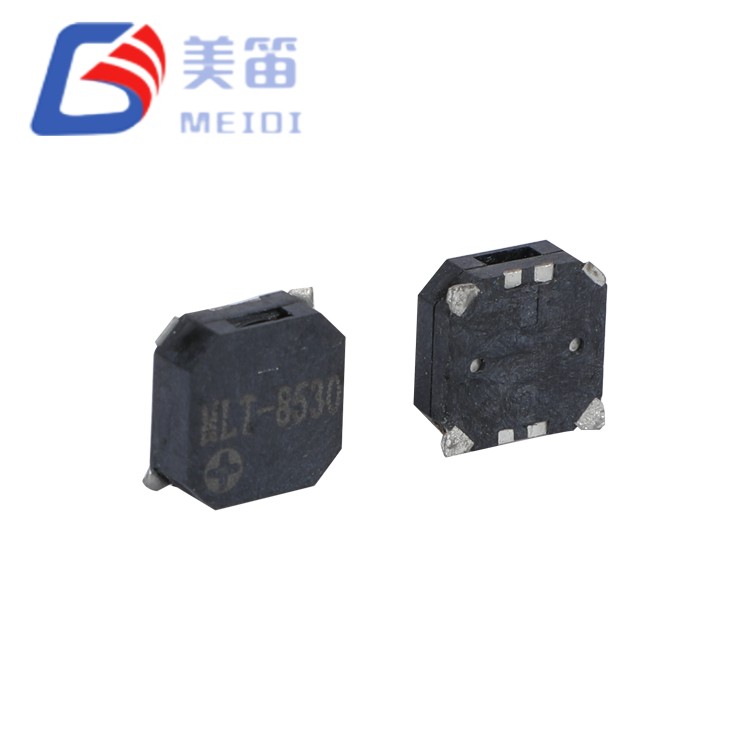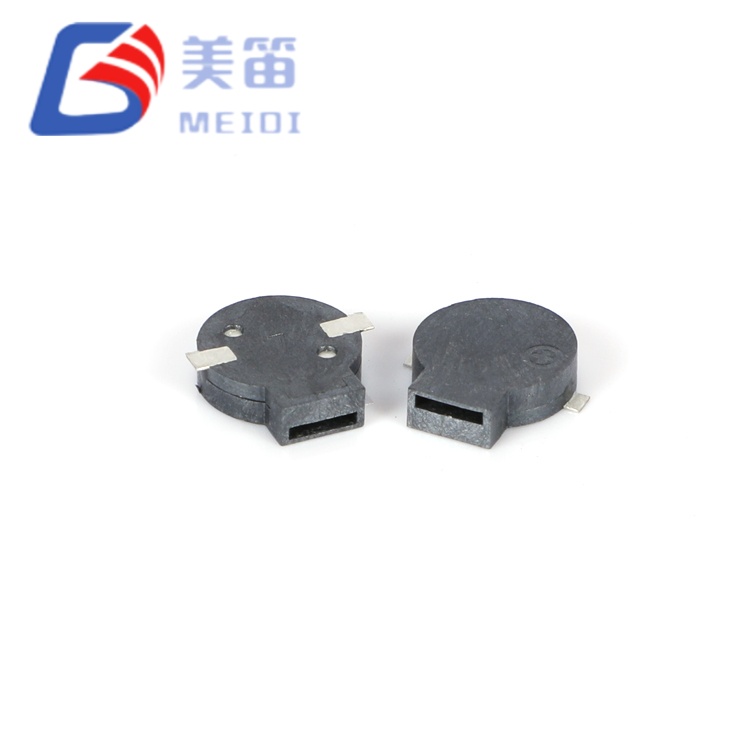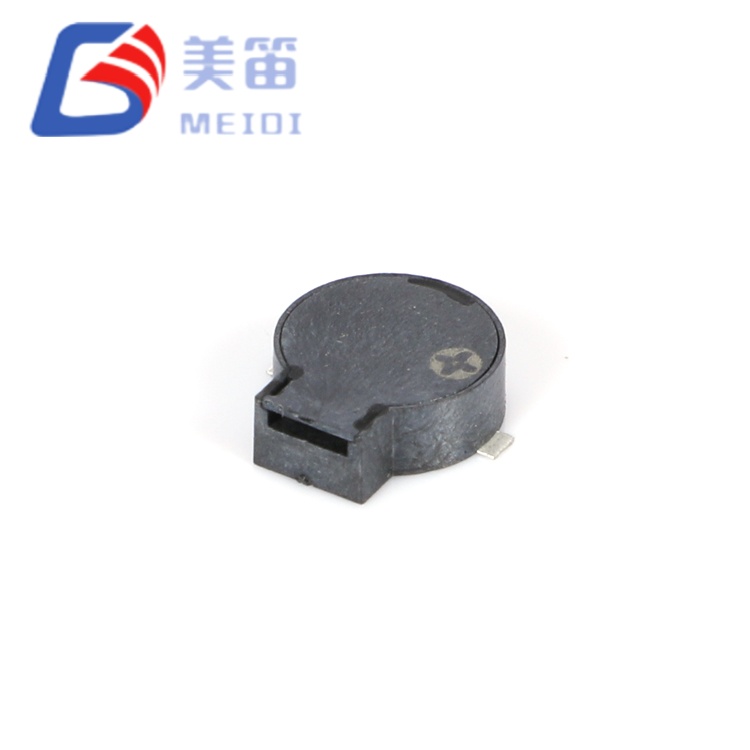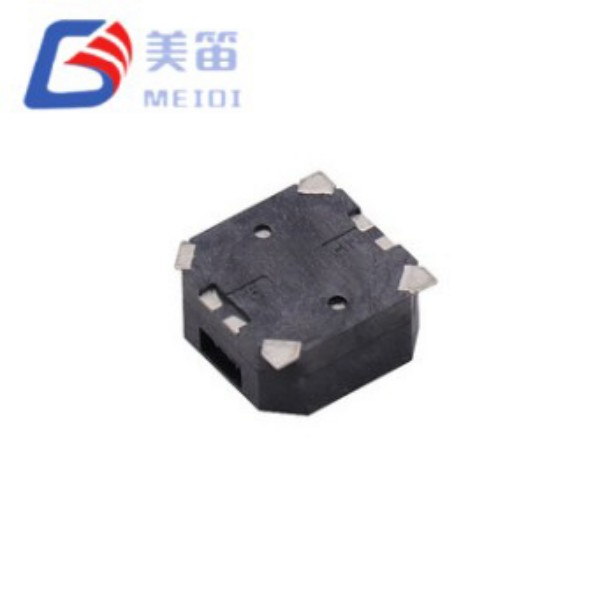
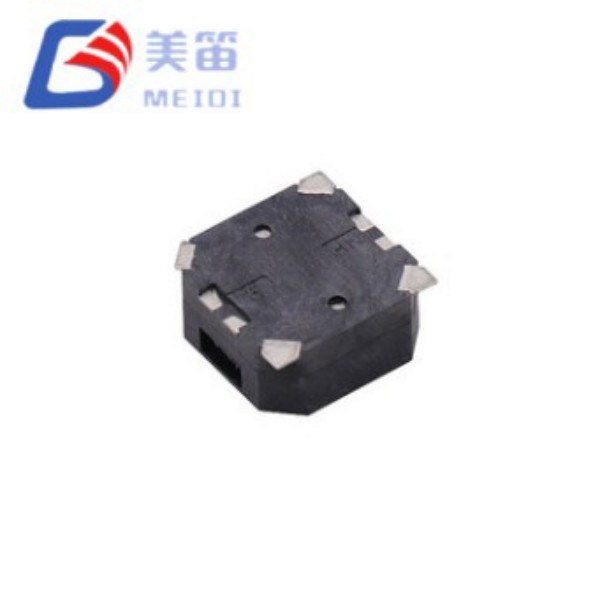
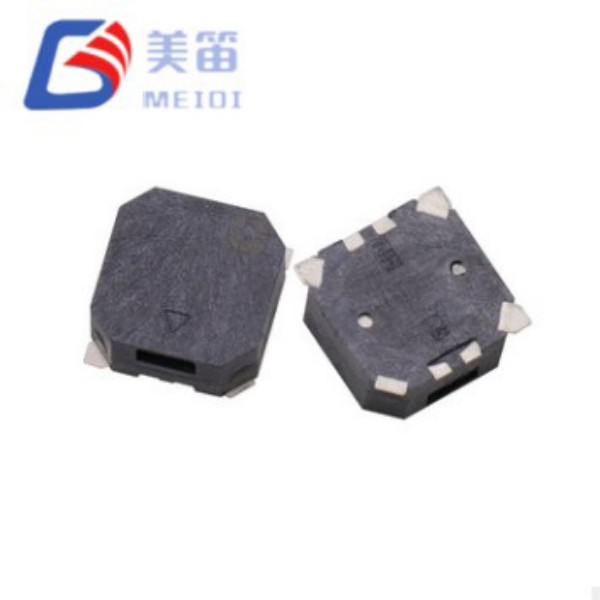
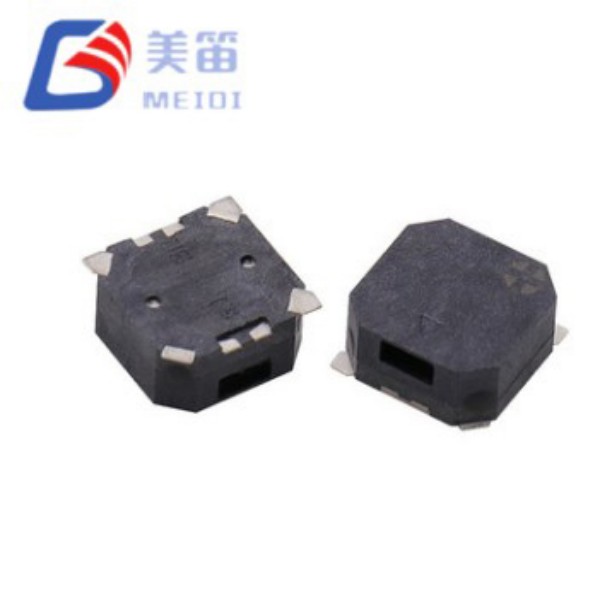
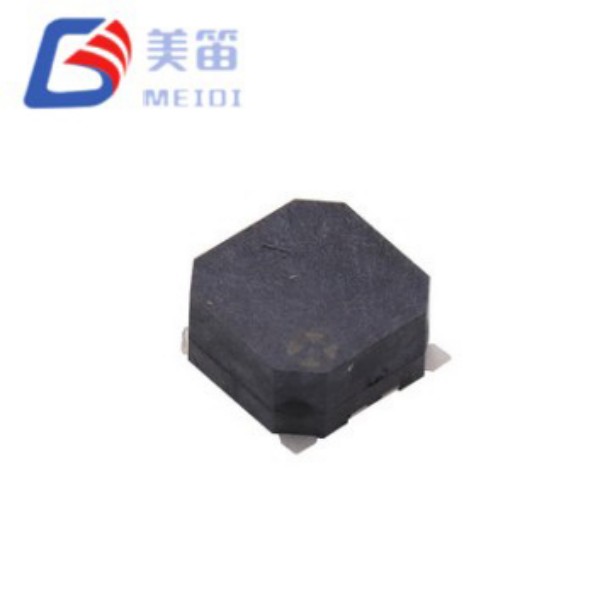
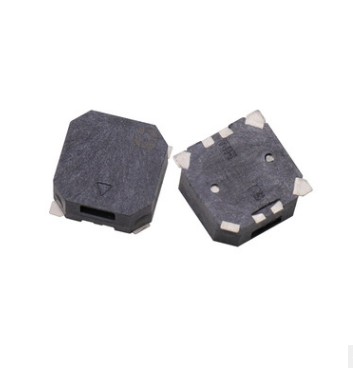
The MLT‑8540 series comprises two electromagnetic passive buzzers sharing an identical 8.5 × 8.5 × 4.0 mm SMD footprint, differentiated by coil impedance and voltage rating: the 16 Ω variant (MLT‑8540‑16R) for 2.5–4.5 V systems, and the 32 Ω variant (MLT‑8540‑32R) for 4.5–6.5 V buses. This unified mechanical platform enables engineers to evaluate both drive architectures without PCB layout changes, simplifying prototyping and platform scaling across product families with different supply voltages.
Manufactured in MEIDI’s ISO‑9001 certified Jiangsu facility, both variants feature a 4.0 mm internal cavity height – the tallest in the 8.5 mm footprint class – optimising Helmholtz resonance at 2700 Hz for enhanced low‑frequency penetration. Sample batch verification confirms SPL values ranging from 91.2 dB to 99.3 dB, substantially exceeding the 85 dB minimum. The black LCP housing supports lead‑free reflow at 255 °C and operates from -30 °C to +70 °C, with storage capability from -40 °C to +85 °C.
The 8.5*8.5*4mm SMD Magnetic Passive Buzzer introduces a procurement‑efficient strategy rarely available in SMD buzzer portfolios. Rather than forcing engineers to select a single impedance and accept whatever voltage range it implies, this series provides two validated electrical configurations from one mechanical foundation. This approach delivers three practical advantages:
Prototyping flexibility – during early development, teams can evaluate both 16 Ω and 32 Ω variants on identical PCB layouts without revising pad geometry, keepout zones, or enclosure acoustic models. The 4.0 mm height and 8.5 mm footprint remain constant; only the drive circuit and BOM line item change.
Platform scalability – a product family spanning 3.3 V USB‑powered portable units and 5 V vehicle‑installed modules can share a single buzzer mechanical model, simplifying supply chain management, reducing SKU proliferation, and consolidating reliability qualification efforts.
Voltage‑optimised efficiency – the 16 Ω variant draws ≤100 mA at 3.6 V, suitable for battery‑constrained designs; the 32 Ω variant draws ≤80 mA at 5 V, reducing I²R losses in long cable runs and minimising thermal stress on driver transistors in sealed enclosures. Both achieve comparable acoustic output through identical diaphragm and cavity geometry – the impedance difference is a system‑level optimisation, not an acoustic compromise.
Dual‑impedance unified platform – 16 Ω and 32 Ω options from identical 8.5 × 8.5 × 4.0 mm housing, eliminating mechanical redesign when evaluating drive voltage architectures
Maximum SMT cavity height – 4.0 mm internal volume optimises Helmholtz resonance efficiency at 2.7 kHz, delivering higher SPL than 3.0 mm alternatives of equal footprint
Measured output 91.2–99.3 dB – empirical performance significantly exceeds ≥85 dB specification, providing substantial acoustic headroom for noisy environments
Voltage‑optimised impedance pairing – 16 Ω for 3.6 V Li‑ion/logic systems with ≤100 mA draw; 32 Ω for 5 V industrial/automotive buses with ≤80 mA draw
Extended -30 °C to +70 °C operating range – outperforms standard consumer‑grade limits, supporting cold‑start and sun‑exposed outdoor deployments
Black LCP housing with reflow compatibility – withstands 255 ± 5 °C lead‑free reflow peaks and maintains dimensional stability across full thermal envelope
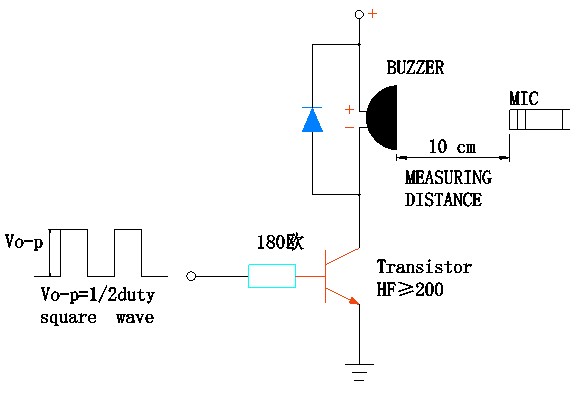
| Parameter | MLT‑8540‑16R | MLT‑8540‑32R |
| Product Type | Electromagnetic SMD Passive Buzzer | Electromagnetic SMD Passive Buzzer |
| Rated Voltage | 3.6 V (o‑p) | 5.0 V (o‑p) |
| Operating Voltage | 2.5 – 4.5 V (o‑p) | 4.5 – 6.5 V (o‑p) |
| Sound Output at 10 cm | ≥ 85 dB | ≥ 85 dB |
| Operating Current | ≤ 100 mA | ≤ 80 mA |
| Resonant Frequency | 2700 ± 300 Hz | 2700 ± 300 Hz |
| Coil Resistance | 16 ± 3 Ω | 32 ± 3 Ω |
| Operating Temperature | -30 °C ~ +70 °C | -30 °C ~ +70 °C |
| Storage Temperature | -40 °C ~ +85 °C | -40 °C ~ +85 °C |
| Dimensions (L × W × H) | 8.5 × 8.5 × 4.0 mm | 8.5 × 8.5 × 4.0 mm |
| Weight | 0.5 g | 0.5 g |
| Housing Material | Black LCP | Black LCP |
| Soldering Method (Recommended) | Reflow: 255 ± 5 °C, 3 s; Preheat 180 °C, 40–70 s | Reflow: 255 ± 5 °C, 3 s; Preheat 180 °C, 40–70 s |
The extended cavity height and low‑frequency resonance make the MLT‑8540 series particularly effective in environments where ambient noise masks higher‑frequency alerts. Typical installations include:
Industrial automation panels – fault annunciation and process‑completion tones on factory floors with continuous machinery noise
Commercial building security – intrusion alerts and access‑control feedback in lobbies, corridors, and parking structures
Vehicle interior warning systems – seatbelt reminders, door status chimes, and driver alerts in 12 V/24 V electrical architectures
Outdoor telecommunications equipment – status tones and fault indicators in weather‑exposed cabinets and pole‑mounted enclosures
Marine navigation consoles – audible alerts in bridge equipment and interior panels with limited ventilation and high humidity
Refrigerated storage monitoring – temperature threshold warnings in cold‑chain logistics and warehouse environments
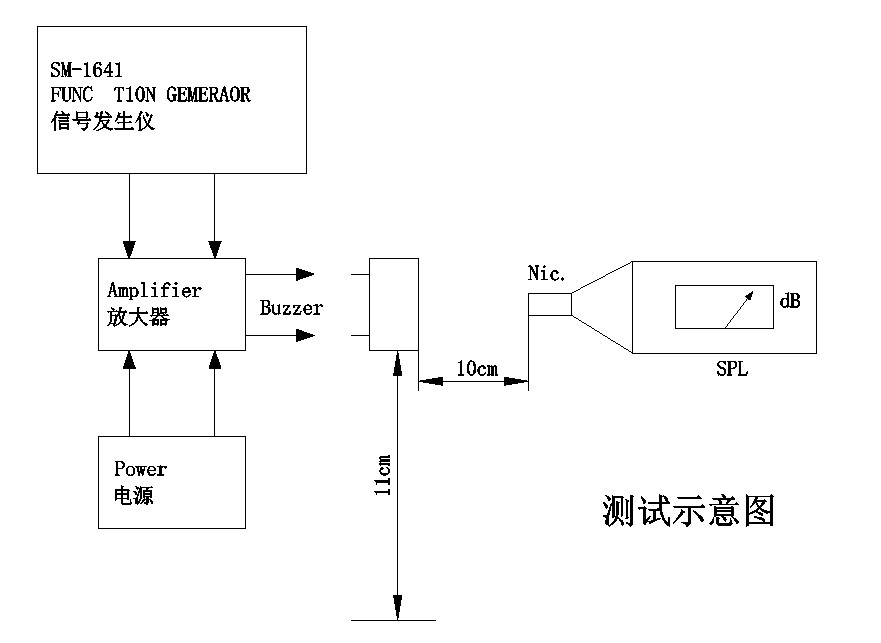
Production testing (n=10 per variant) under standard conditions – square wave at rated voltage, resonant frequency, 50% duty cycle, 10 cm free‑field measurement – confirms the following distributions:
| Variant | SPL Range (dB) | Current Range (mA) | Frequency (Hz) | Impedance (Ω) |
| MLT‑8540‑16R | 94.5–99.3 | 69.1–72.9 | 2700 (all samples) | 15.8–17.1 |
| MLT‑8540‑32R | 91.2–95.1 | 60.0–62.5 | 2700 (all samples) | 30.4–32.1 |
The 16 Ω variant achieves higher peak SPL (99.3 dB) owing to greater current delivery at its rated voltage. The 32 Ω variant delivers slightly lower SPL but with reduced current draw, making it more efficient for 5 V systems. Both variants show zero frequency deviation across all samples – all 20 units measured at exactly 2700 Hz, indicating exceptional manufacturing control. The SPL headroom above the 85 dB specification ranges from 6.2 dB to 14.3 dB, providing substantial margin for system‑level attenuation.
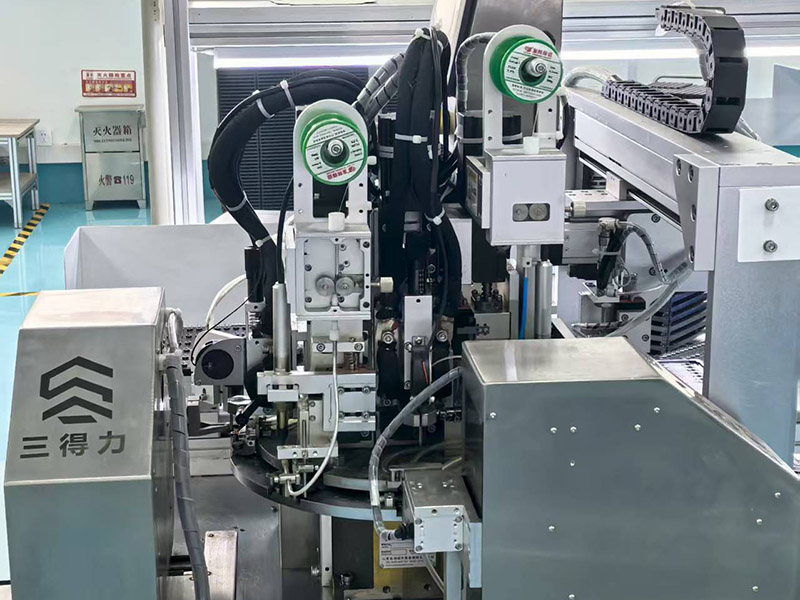
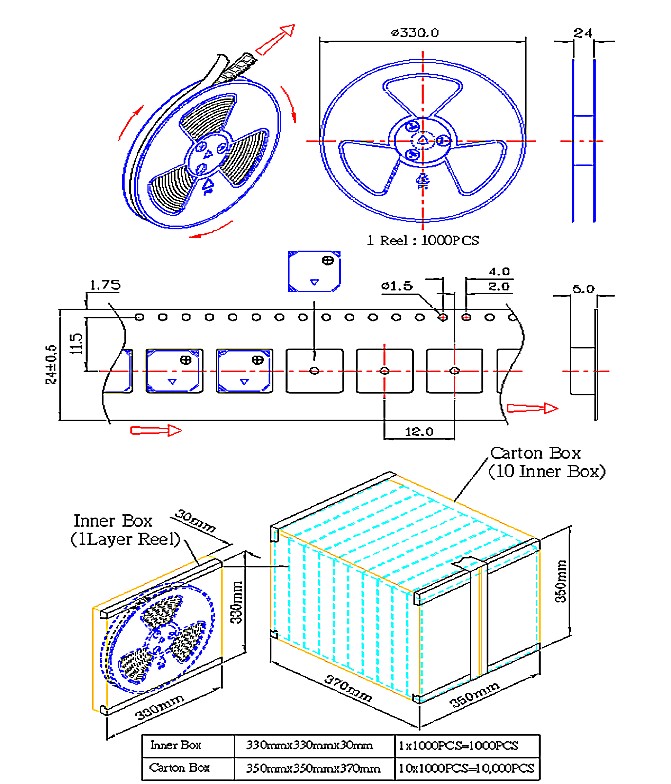
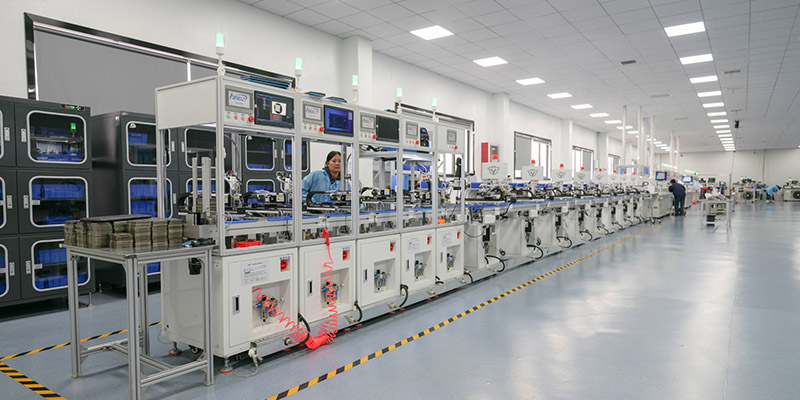
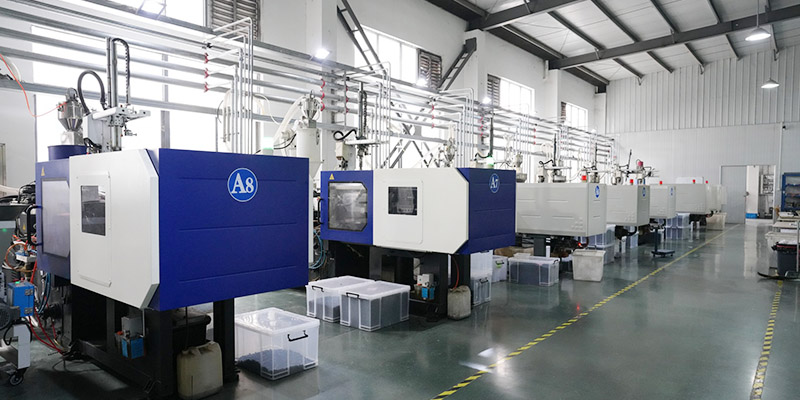
MEIDI manufactures both MLT‑8540 variants on dedicated SMD assembly lines with automated coil winding, soldering, and acoustic calibration. Our Jiangsu facility maintains ISO 9001:2015 certification, with statistical process control applied at every production stage.

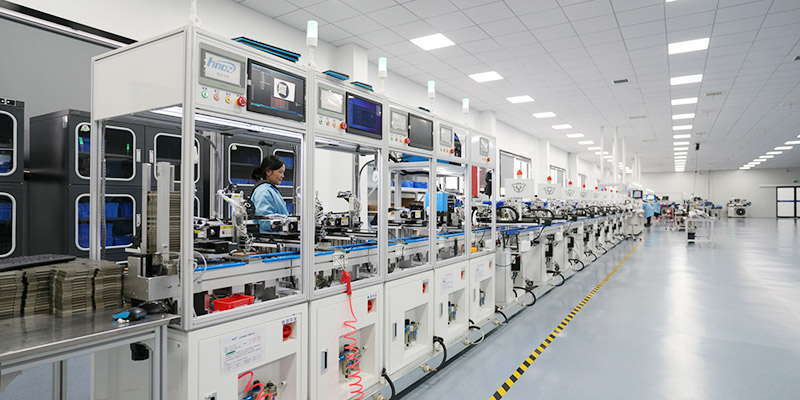
Each production batch undergoes uniform qualification testing:
Electrical characterisation – 100% verification of coil resistance, operating current, and resonant frequency
Acoustic validation – statistical sampling confirms SPL ≥ 85 dB; measured results consistently exceed 91 dB
Environmental endurance – 48‑hour high‑temperature storage at +80 °C, 48‑hour low‑temperature storage at -30 °C, and 5‑cycle thermal shock (-30 °C ↔ +80 °C)
Mechanical stress – sinusoidal vibration (10–55 Hz, 1.0 mm amplitude, XYZ axes, 0.5 hours total) and 75 cm free‑fall drop onto 10 mm hardwood (3 impacts)
Humidity resistance – 48 hours at 50 °C / 95% RH with 2‑hour recovery and electrical characterisation
Solder heat resistance – 250 °C for 10 seconds with 2.0 mm body‑to‑solder clearance, plus reflow profile compliance
RoHS and REACH conformity documentation is available. Lot identification codes provide full traceability to production date, test results, and raw material certificates.
Q1: How do I choose between the 16 Ω and 32 Ω variants for my system?
Selection depends on your available supply voltage and current budget. The 16 Ω variant (2.5–4.5 V) is optimised for 3.3 V logic, single‑cell Li‑ion (3.0–4.2 V), and USB‑powered designs where direct MCU GPIO drive may be feasible with adequate pin current capability. The 32 Ω variant (4.5–6.5 V) targets 5 V automotive accessories, industrial PLC outputs, and PoE‑powered systems where higher voltage reduces current demand and wiring losses. Both variants share identical mechanical dimensions and acoustic performance; the decision is purely electrical.
Q2: Can both variants be driven by the same PWM signal from a microcontroller?
Yes, both accept a 2700 Hz square wave at their respective rated voltages. However, the drive circuit must supply the appropriate voltage and current. The 16 Ω variant at 3.6 V requires a source capable of ≤100 mA; the 32 Ω variant at 5.0 V requires ≤80 mA. From a 3.3 V MCU, the 32 Ω variant requires a level‑shifting transistor or MOSFET to reach its rated 5 V. From a 5 V MCU, both can be driven with appropriate base resistors and flyback diodes to protect the GPIO.
Q3: What is the advantage of the 4.0 mm cavity height over 3.0 mm alternatives?
The increased internal volume enhances Helmholtz resonance at 2700 Hz, improving acoustic efficiency and contributing to the high SPL measurements (91–99 dB). The taller profile also provides additional room for diaphragm excursion, allowing greater sound pressure generation before mechanical clipping. While the 4.0 mm height requires more z‑axis clearance, the acoustic benefits make it preferable for applications where output is critical and vertical space is available.
Q4: Is the 2700 Hz frequency suitable for environments with high‑frequency ambient noise?
2700 Hz sits below the dominant spectrum of many motors, compressors, and switching power supplies (typically 3–8 kHz). This lower frequency often improves signal‑to‑noise ratio in industrial settings by avoiding the band where machinery noise concentrates. For environments dominated by low‑frequency rumble (e.g., diesel engines), higher frequencies may be preferable – MEIDI offers alternative resonant frequencies for OEM customisation.
Q5: Can the MLT‑8540 series be used in outdoor or high‑humidity applications?
The components are rated for 90–95% RH non‑condensing operation per the humidity resistance test (48 h at 50 °C / 95% RH). They are not hermetically sealed and should not be exposed to direct moisture or immersion. For outdoor use, the buzzer must be mounted inside an IP‑rated enclosure with acoustic porting that allows sound transmission while preventing water ingress. MEIDI offers conformal coating as a custom option for volume orders – contact our engineering team to discuss ingress protection requirements.
Q6: What is the expected service life under continuous operation?
The standard qualification includes 96 hours of continuous operation at 25 °C with a 50% duty‑cycle square wave. For indefinite continuous‑tone applications, MEIDI recommends limiting duty cycle to 50% or implementing intermittent alert patterns (e.g., 1 second on, 3 seconds off) to reduce coil heating and extend service life. Extended lifetime test data for specific operating conditions is available upon request.
For complete technical documentation, PCB footprint recommendations, reference driver circuits for both impedance variants, or volume pricing, contact MEIDI Engineering Support. Engineering samples of both 16 Ω and 32 Ω variants are available for qualified development projects.
Our applications engineering team typically responds within one business day with reflow profile guidance, acoustic enclosure integration notes, and design‑in support tailored to your specific voltage and current requirements.
Address
No.6, Wenlin Road, Chenbao Town, Xinghua City, Jiangsu Province, China
Tel