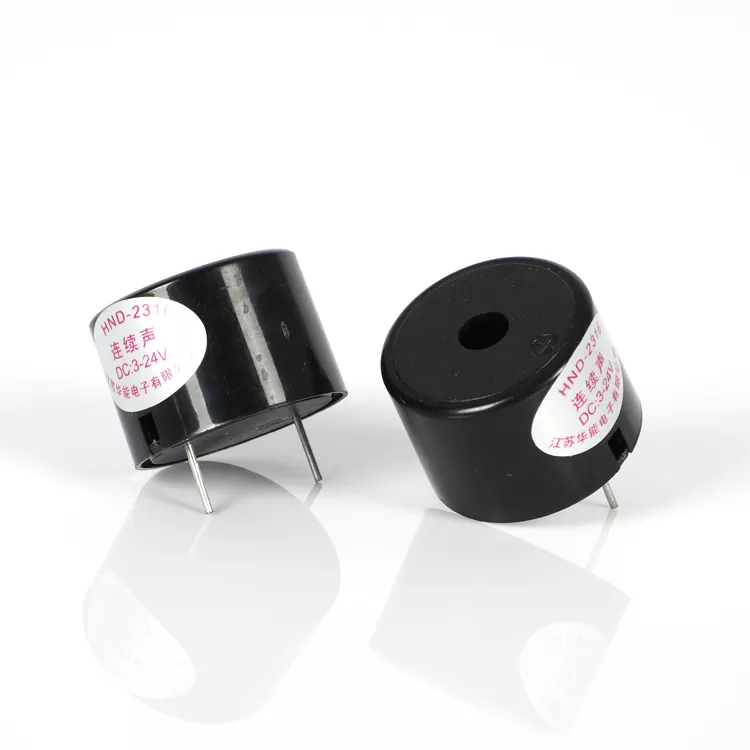
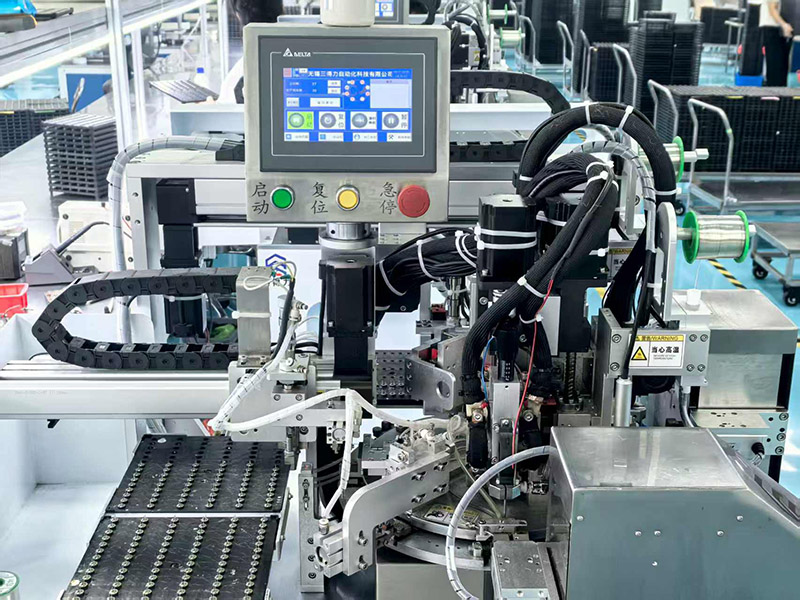
Many companies can quote a piezo buzzer, but fewer can support stable export business, useful technical communication, and repeat-order reliability. For OEM sourcing teams, the challenge is not just locating a factory. It is choosing one that can support the full business process around the part.
Importers and procurement teams usually get better results when they compare both product fit and day-to-day supplier execution at the same time.
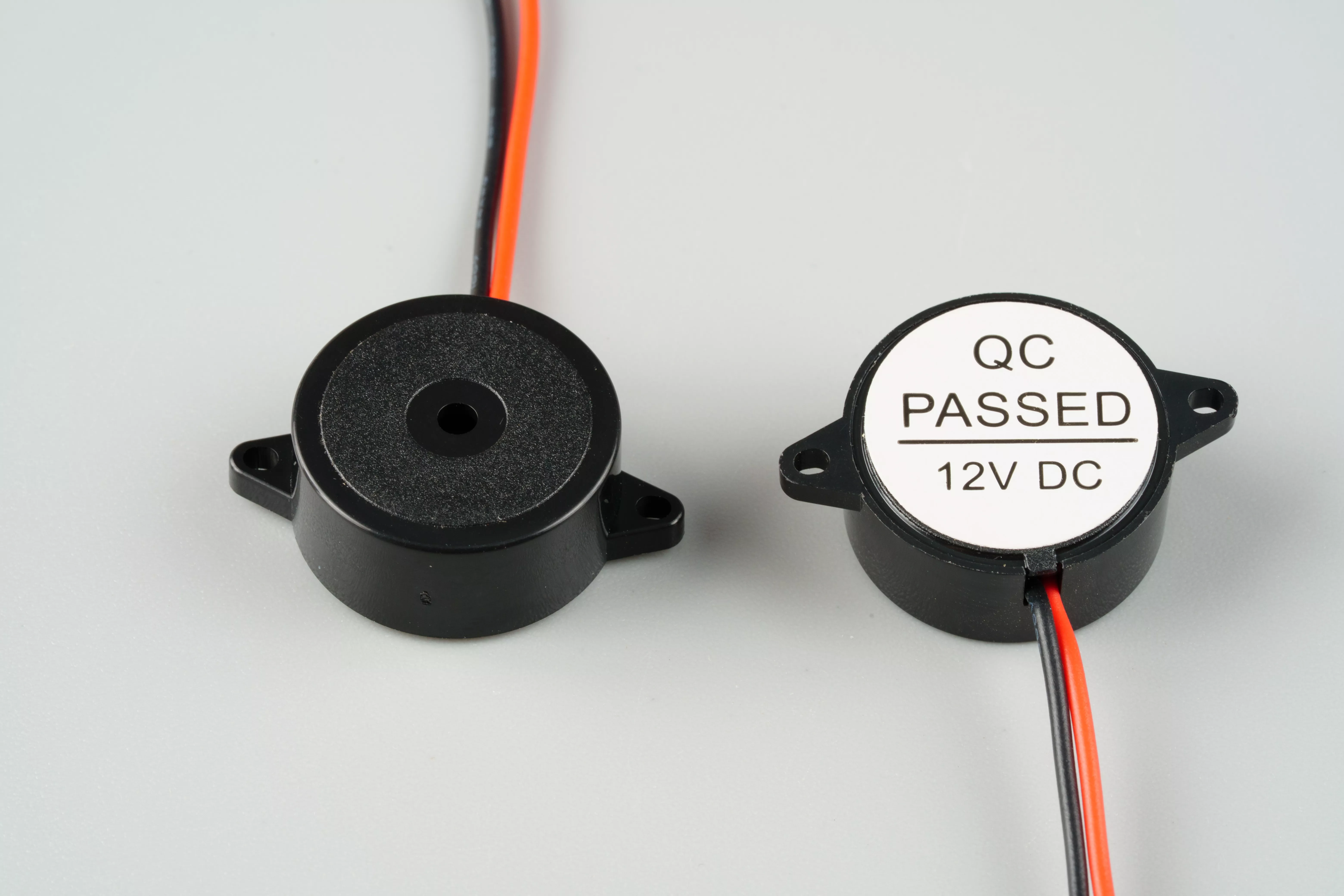
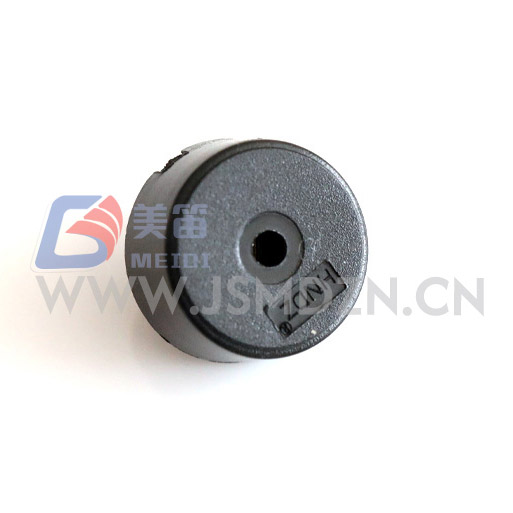
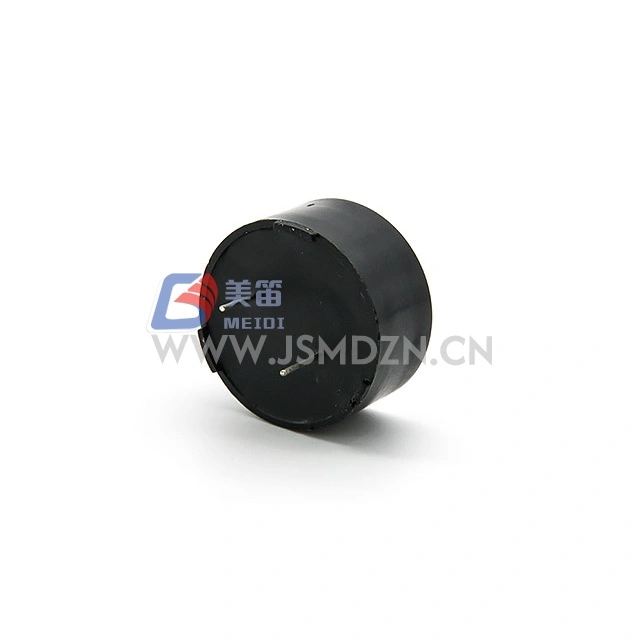
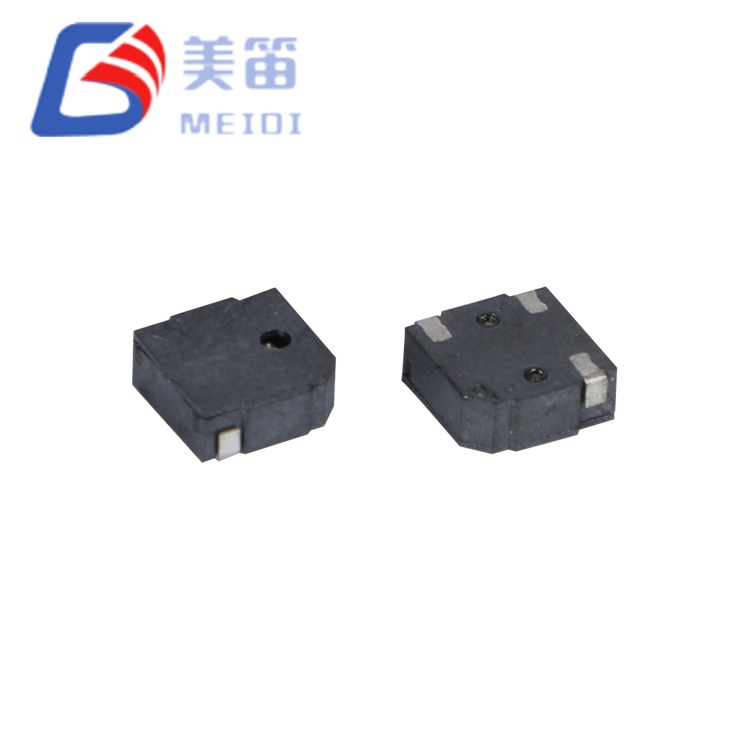
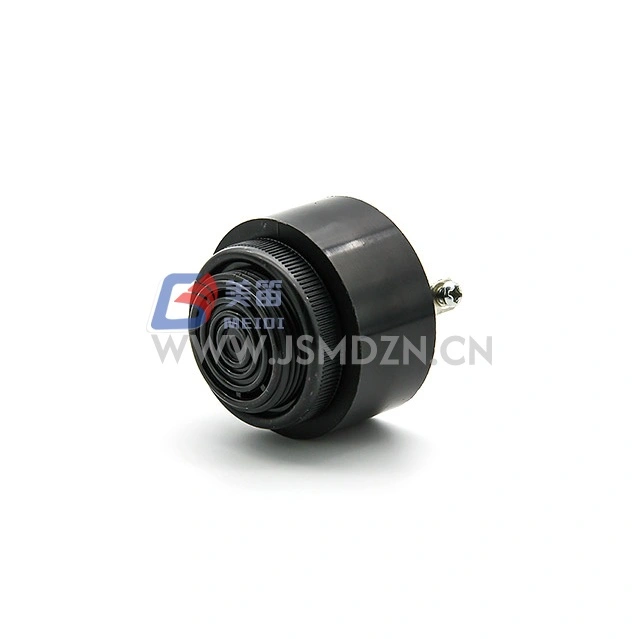
A serious buzzer supplier should support more than one standard model. Buyers should confirm whether the supplier can cover the main buzzer directions that modern OEM projects may require.
| Supplier Capability | Why It Matters to Buyers |
|---|---|
| Active and passive range | Supports different product sound strategies |
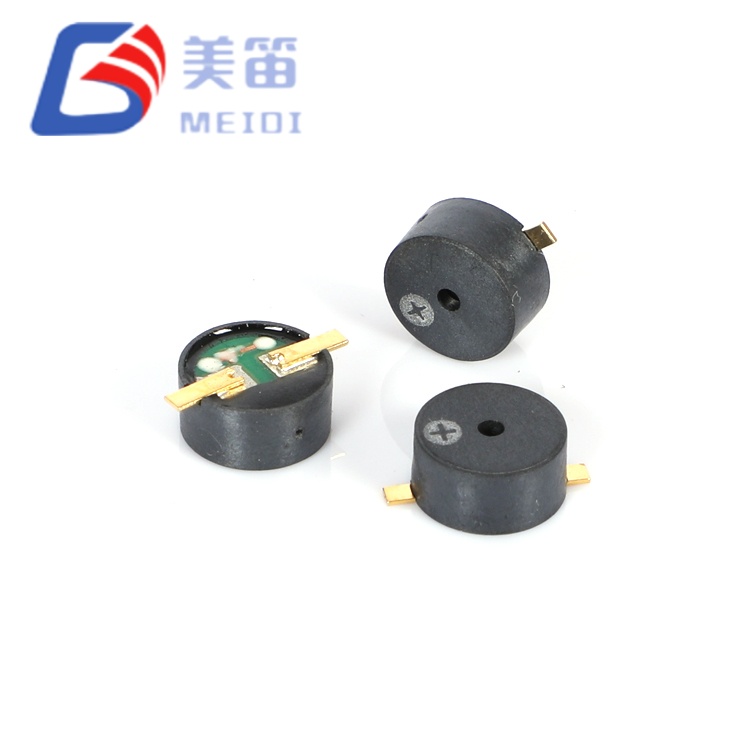
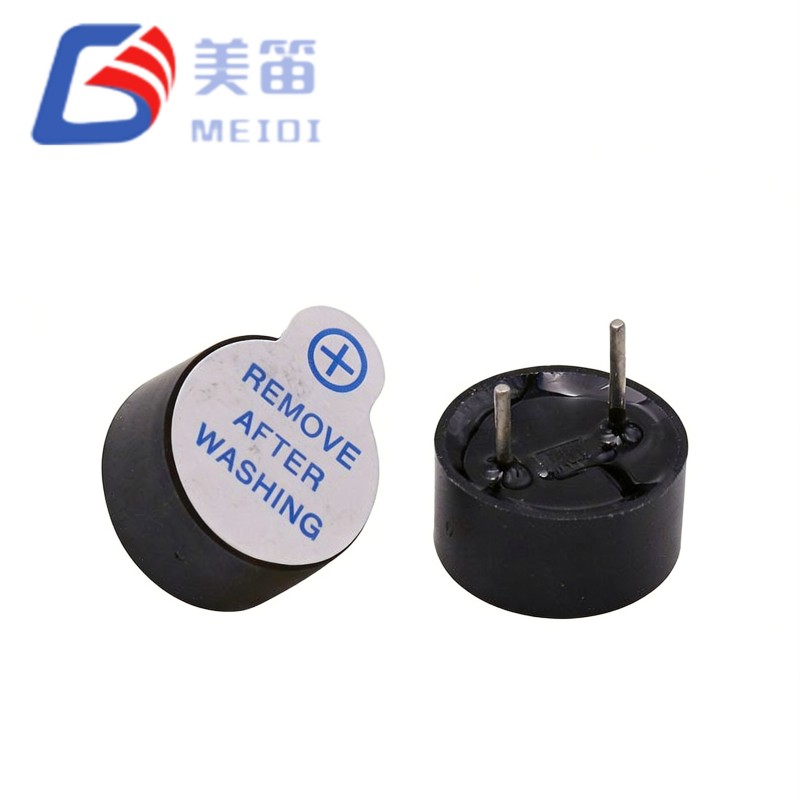
| SMD and through-hole options | Helps align with the assembly process |
| Waterproof or sealed products | Improves fit for outdoor and industrial use |
| Voltage and package diversity | Supports multiple OEM product platforms |
Price is important, but technical mismatch can create bigger losses through re-sampling, redesign, and shipment delays. Buyers should request key electrical and acoustic data first.
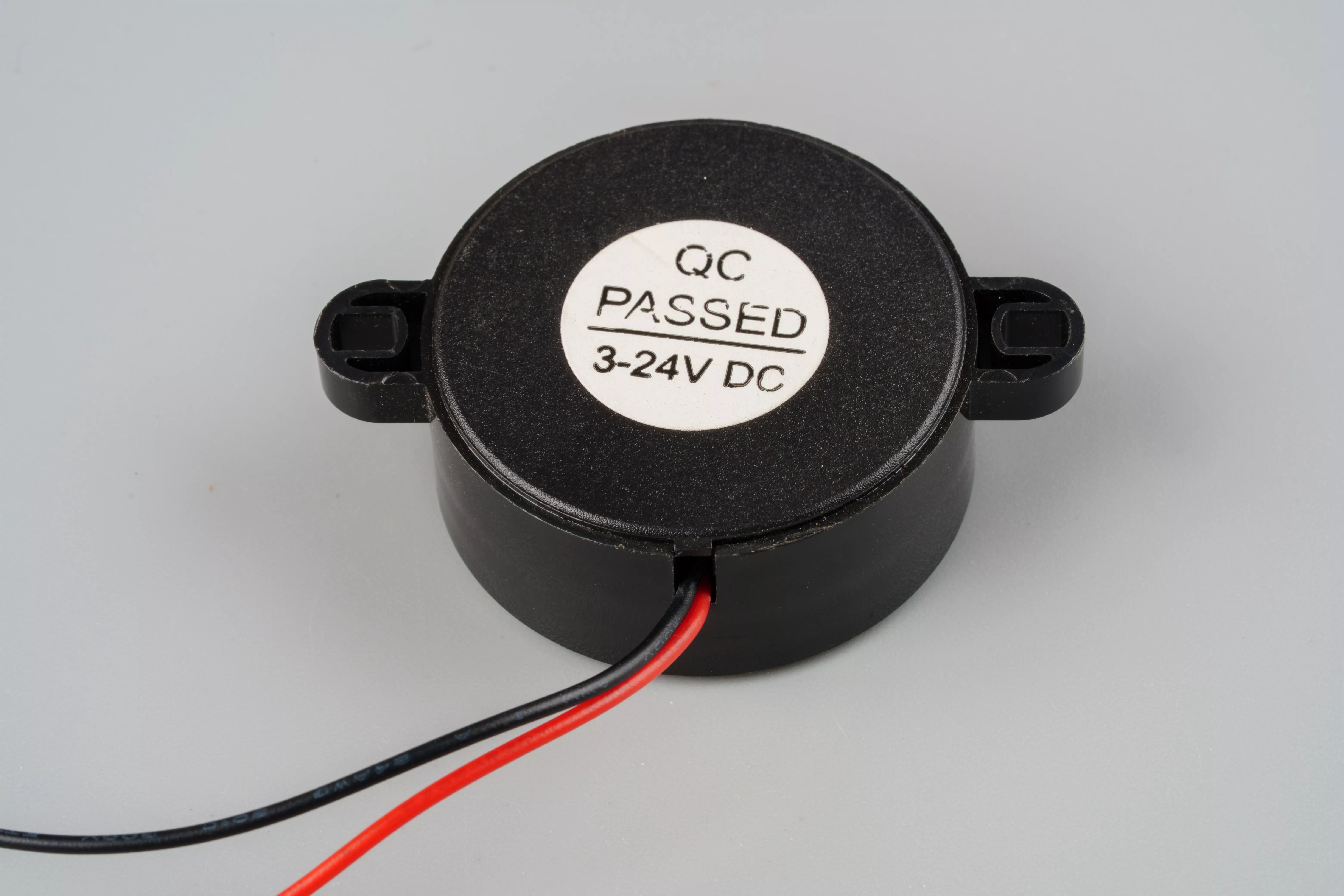
Documentation and process transparency often affect sourcing success as much as the buzzer itself. Buyers should compare whether suppliers can provide compliance support and clearly explain how they manage product consistency.
| Quality or Document Area | Buyer Value |
|---|---|
| Environmental compliance support | Reduces export and customer-approval risk |
| Inspection transparency | Builds trust in lot consistency |
| Customization procedure | Helps with non-standard product needs |
| Sample-stage response quality | Speeds up qualification work |
Two suppliers can offer similar product data but create very different project experiences. Buyers should compare service depth, repeat-order reliability, and communication quality as part of the supplier evaluation.
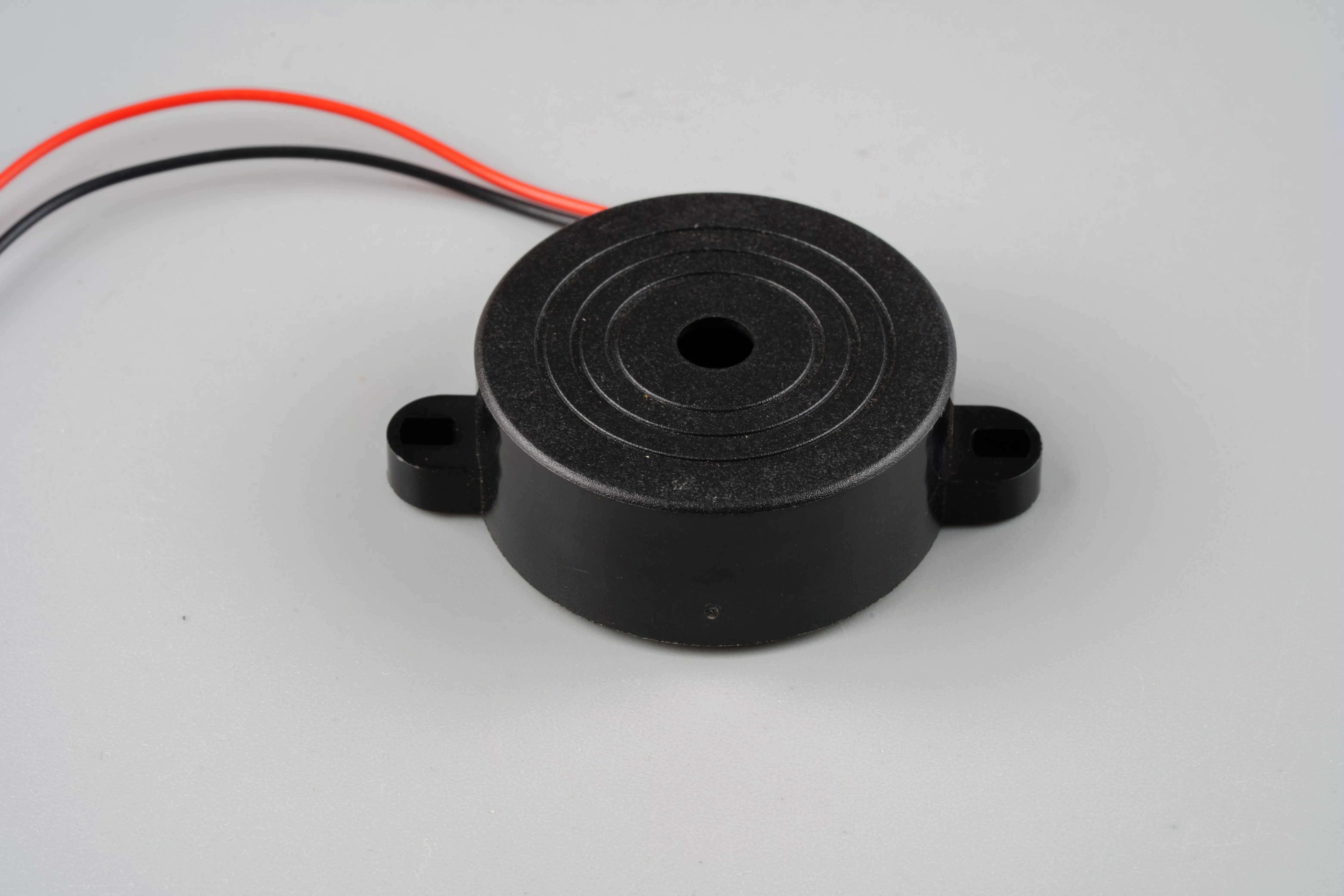
Buyers sometimes treat a piezo and a magnetic buzzer as two ways to buy the same beep. They are not. On power-sensitive or space-limited boards, the piezo route is usually the cleaner choice because it draws less current and fits a smaller footprint. A magnetic part earns its place when the project needs a different tone character or a specific drive behavior that the piezo option does not provide. The table keeps the trade-off at the level that actually affects a sourcing decision.
| Comparison Area | Piezo Buzzer | Magnetic Buzzer |
|---|---|---|
| Power demand | Usually lower | Usually higher |
| Compact design fit | Often stronger | Often more limited |
| Battery-friendly design | Usually better | Usually less favorable |
| Typical use direction | Alarms, appliances, portable electronics | Indicators and alternative tone applications |
The best piezo buzzer manufacturer is the one that combines suitable product coverage, stable quality systems, and dependable export support. Buyers who compare total supplier capability instead of quote price alone usually achieve smoother qualification, lower risk, and better long-term procurement results.
Shortlisting on one model is a common trap. The first order may be a single active buzzer, but the second product line usually wants an SMD version, and the third one needs a sealed body. If those parts have to come from three different factories, the buyer ends up qualifying three quality systems instead of one.
| Product Family | Sourcing Trigger | Risk If the Supplier Cannot Cover It |
|---|---|---|
| Active buzzer | Standard alarms and status prompts | Low, but pricing leverage is lost on the simplest volume part |
| Passive buzzer | Products with graded or programmable alerts | Firmware work is redone against a second vendor's part |
| SMD buzzer | Reflow lines and dense boards | Manual insertion stays in the process cost |
| Waterproof or sealed buzzer | Outdoor and washdown equipment | A separate supplier audit for a low-volume part |
Approving a buzzer on a quick sound check is where most later problems start. Check the package size and lead or pad form against the board, the voltage against the supply, the output inside the enclosure rather than in free air, and the spread between several pieces from the same lot. That last point decides whether incoming inspection stays quiet after the first shipment.
It matters most in medical tools, portable terminals, and compact appliances, where space and repeatability count for more than raw loudness.
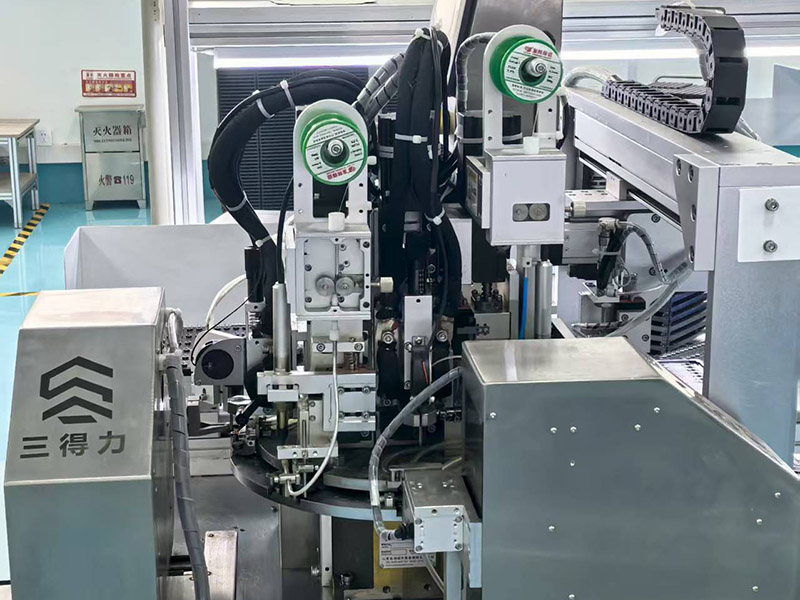
A factory that samples well should also be able to state its monthly capacity, normal lead time, inspection routine, and export documentation support without a long delay. These answers carry more weight once the project turns into repeat shipments.
| Factory Topic | What the Answer Tells You |
|---|---|
| Production capacity | Whether volume growth can be absorbed without a second source |
| Quality control routine | How consistency is held between lots, not just within one |
| Compliance support | How much of the export and audit paperwork falls back on the buyer |
| Communication speed | What happens when a change lands close to the production date |