When engineers or sourcing teams compare leading buzzer manufacturers, they are usually trying to answer a practical question: which supplier can deliver the most suitable combination of electrical compatibility, audible performance, product consistency, and long-term supply support? A brand name does not answer that. Measurable specifications and the factory systems behind them do.
A useful comparison ties performance data to product range and application fit, rather than treating every sound component as an interchangeable part.

A buzzer may look like a small component, but it directly affects product usability, warning clarity, and design compatibility. A weak selection process can lead to poor audibility, unnecessary current draw, difficult PCB integration, or quality instability in repeat orders. For that reason, comparing a buzzer supplier should start with technical evidence, not just catalog breadth.
Frequency range is one of the first technical filters when comparing buzzers. Human hearing is particularly sensitive in the middle kilohertz range, so buzzer designs tuned in that area are often easier to detect in alarms and notification systems. Different manufacturers may publish similar nominal values, but stability around the target range often separates ordinary parts from stronger industrial-grade options.
Operating voltage determines whether the buzzer can be integrated cleanly into the target power architecture. A supplier with broader voltage coverage usually supports more product categories, from low-voltage portable electronics to higher-voltage industrial and automotive systems.
| Buzzer Category | Typical Voltage Direction | Engineering Meaning |
|---|---|---|
| Active buzzer | Low to moderate DC drive range | Useful for direct integration and fixed prompt functions |
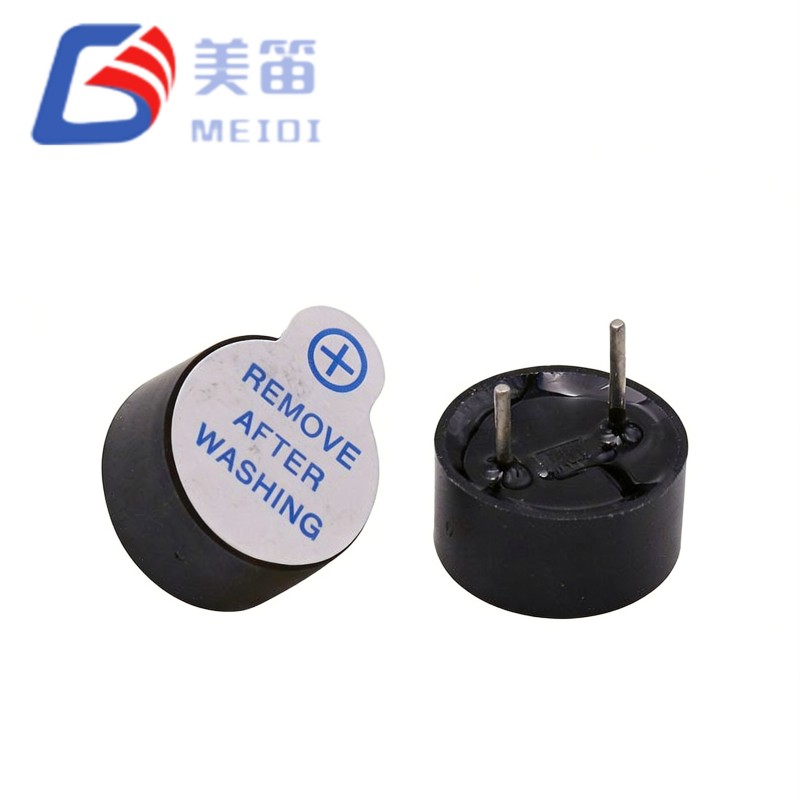
| Magnetic buzzer | Narrower lower-voltage range in many models | Needs closer review of drive current and support circuitry |
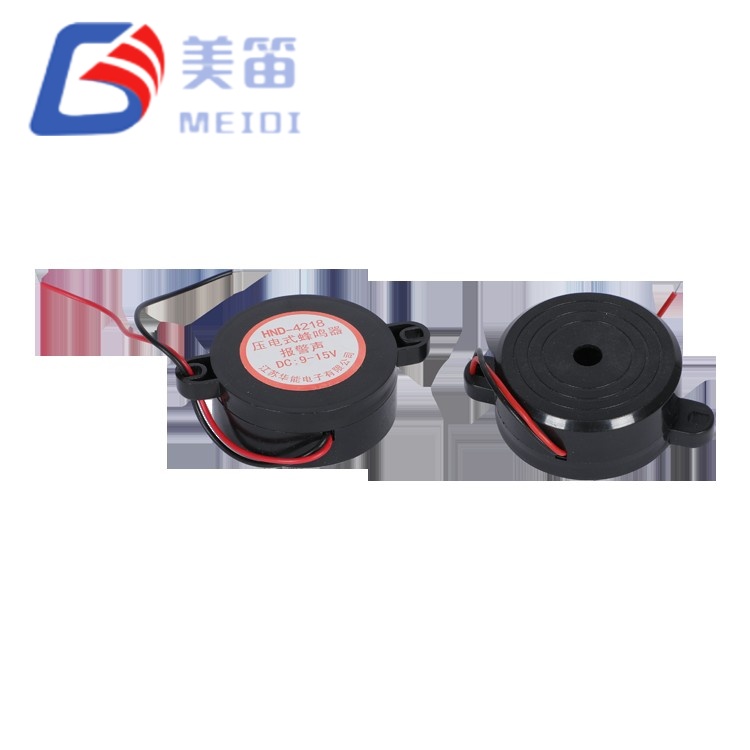
| Piezo buzzer | Broad application-dependent voltage coverage | Gives flexibility across portable, industrial, and alarm products |
Sound output is usually expressed as sound pressure level. In practice, this value only becomes meaningful when the measurement condition is clear. Reliable suppliers provide not just a loudness number, but also the test context behind it. This helps engineering teams compare parts under consistent assumptions.
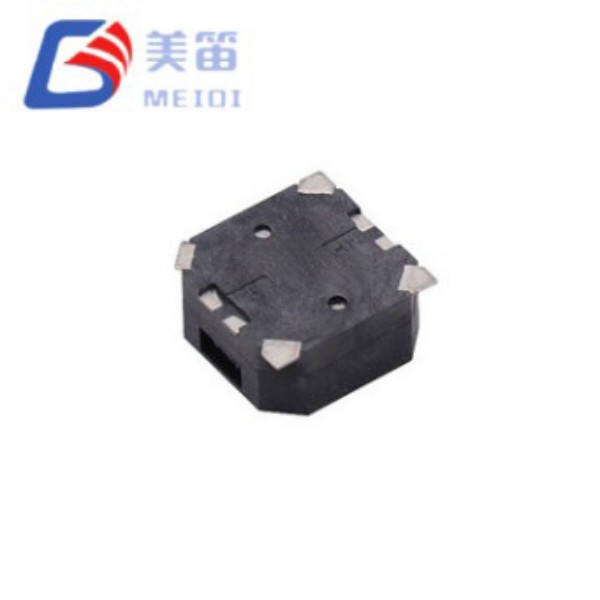
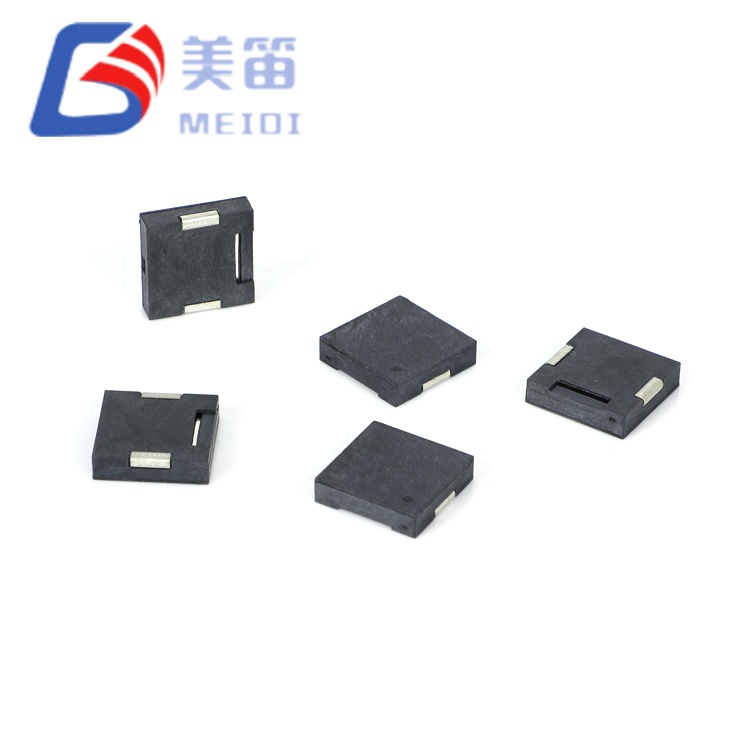
Package size and mounting style are decisive in compact electronics. SMD buzzers are especially important in miniaturized devices where automated assembly, lower profile, and board-space efficiency are required. A strong manufacturer should offer size flexibility rather than one generic enclosure option.
Unit price matters, but performance value matters more. An inexpensive buzzer that fails sound, voltage, or durability requirements often increases the total project cost through redesign, validation delay, or warranty exposure. The best comparison method weighs performance against lifecycle value rather than quotation alone.
The market includes globally recognized electronics groups as well as specialized acoustic component factories. Larger multinational brands are often known for extensive R&D depth, while focused buzzer manufacturers may offer stronger product customization and faster project communication.
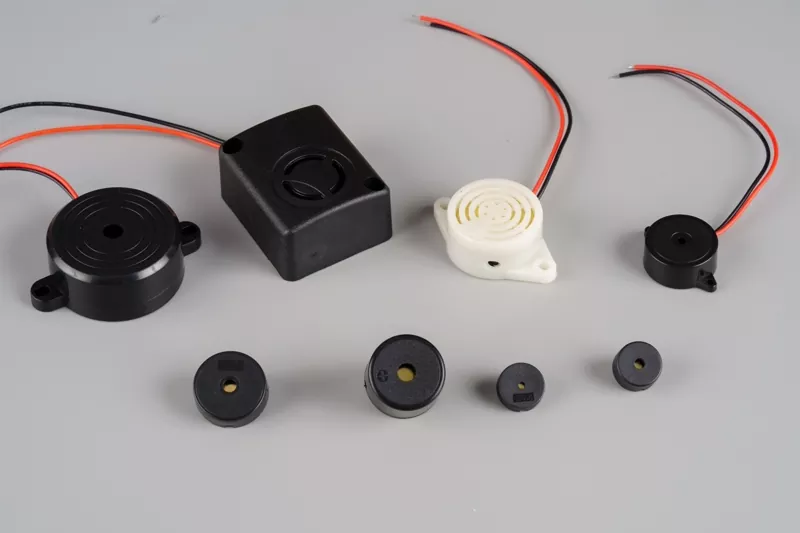
A more capable supplier usually supports multiple product families rather than only one buzzer style. That matters when a buyer wants to consolidate sourcing or when an engineering team is comparing several sound strategies at once.
| Product Family | Why It Matters in Comparison |
|---|---|
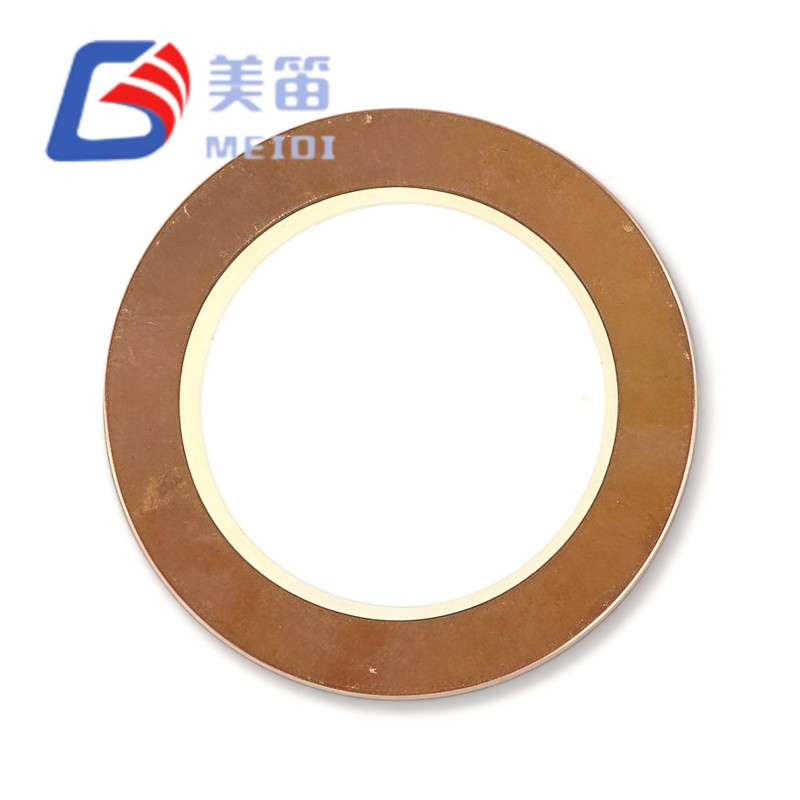
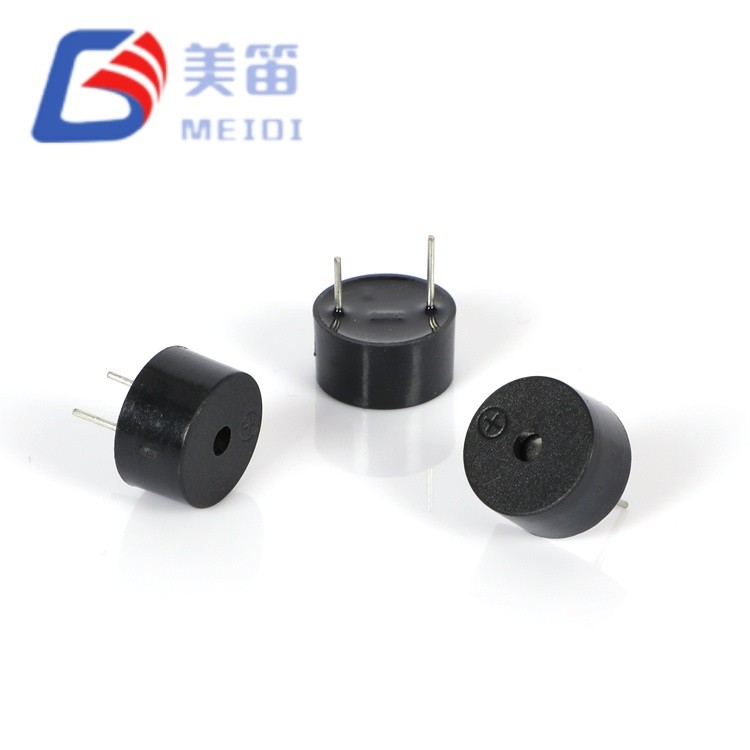
| Piezo buzzers | Often preferred for efficiency, compact structure, and broad application coverage |
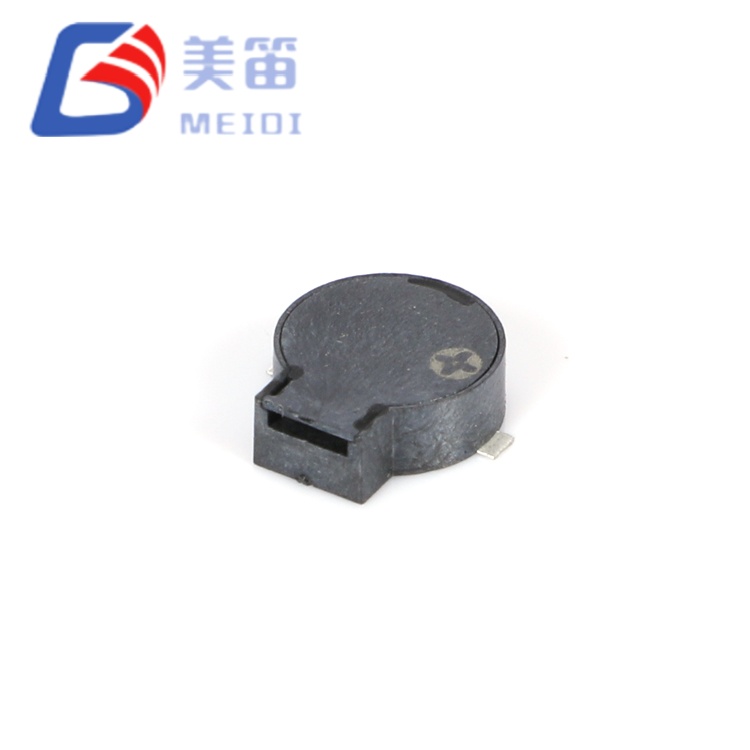
| Magnetic buzzers | Useful for specific tone and cost-driven product directions |
| SMD buzzers | Important for miniaturized electronics and SMT-based production |
| Custom buzzer variants | Show whether the supplier can support non-standard application requirements |
Brand recognition is not a substitute for quality-system verification. Look instead at whether the supplier can supply safety and environmental documentation, run repeatable inspection routines, and show evidence of controlled manufacturing. A certificate on its own proves little; combined with real test records, it shows a workable baseline of process maturity.
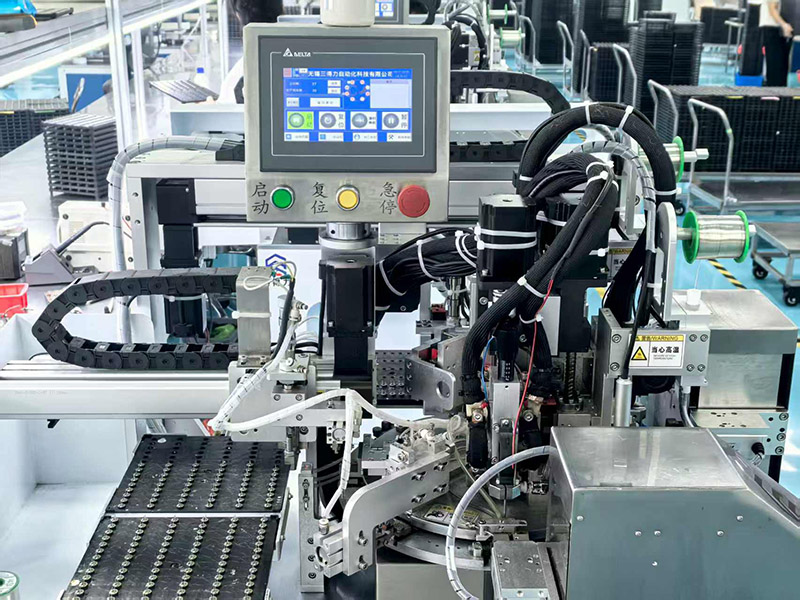
Quality systems only hold up if the factory behind them can keep running at volume. A fast first sample says little about the tenth shipment, so the review should extend to how the supplier plans inventory, schedules production, absorbs urgent pull-ins, and reports material shortages before they turn into missed dates. Delivery stability across repeat orders usually protects a program better than a marginally lower opening quote, and it is worth confirming that sample-stage packaging and labelling can be carried through to series shipments without renegotiation.
How openly a factory describes its own process is itself a reliability signal. Suppliers that can walk through their inspection logic, share quality-management information, and produce environmental compliance documents on request are far easier to carry through a customer audit or a platform qualification. Where documentation is vague or arrives late, the underlying process control is usually just as loose.
Identical-looking datasheets can hide very different project experiences, so service capability belongs in the comparison table alongside the specifications — particularly for export orders and customized models.
| Service Area | Why It Affects Supplier Ranking |
|---|---|
| Warranty clarity | Shows confidence in shipped quality and lowers buyer risk |
| Technical support speed | Reduces sample-cycle delays and design uncertainty |
| Lead-time transparency | Helps protect production planning and shipment scheduling |
| Customization support | Improves fit for brand-specific or application-specific projects |
Industrial projects usually need stronger emphasis on reliability, stable audible signaling, and environmental tolerance. Here, supplier discipline around consistency and testing can be more important than marketing visibility.
For compact consumer products, the manufacturer's ability to provide SMD piezo buzzers, efficient sound output, and miniaturized form factors becomes especially valuable. Power efficiency and assembly compatibility are critical in this category.
Automotive and safety-related products usually place greater weight on thermal stability, repeatability, and robust warning performance. Suppliers serving these programs should be evaluated with stricter discipline than those serving general household applications.
The best buzzer manufacturer is rarely the one with the loudest marketing or the lowest price alone. A stronger choice emerges when frequency behavior, operating voltage, sound output, package design, certifications, customization capability, and service quality are all reviewed together. For engineering and sourcing teams, this structured comparison method leads to a more reliable and commercially sound selection.
-