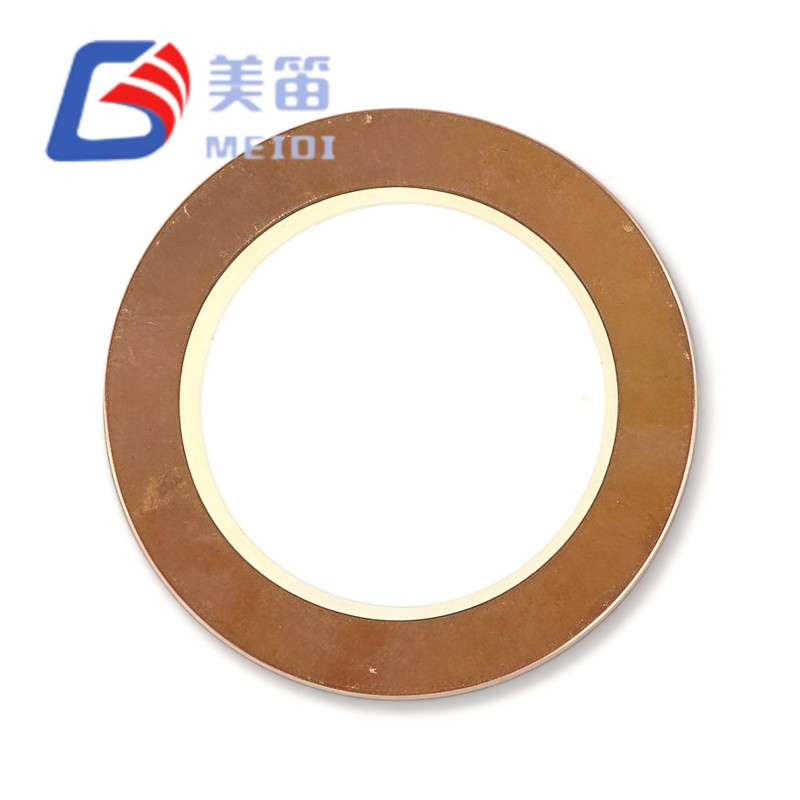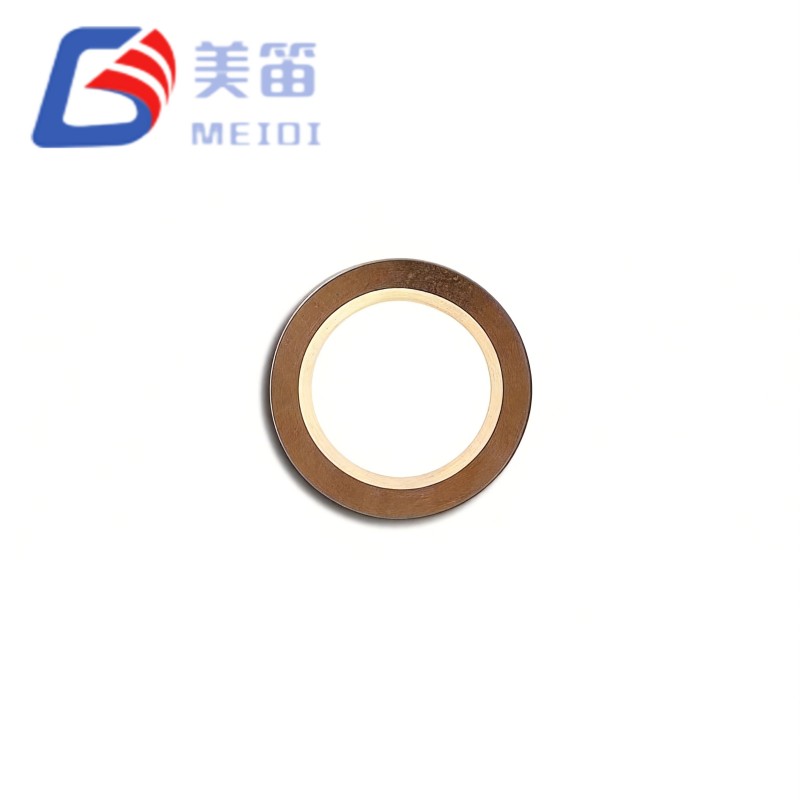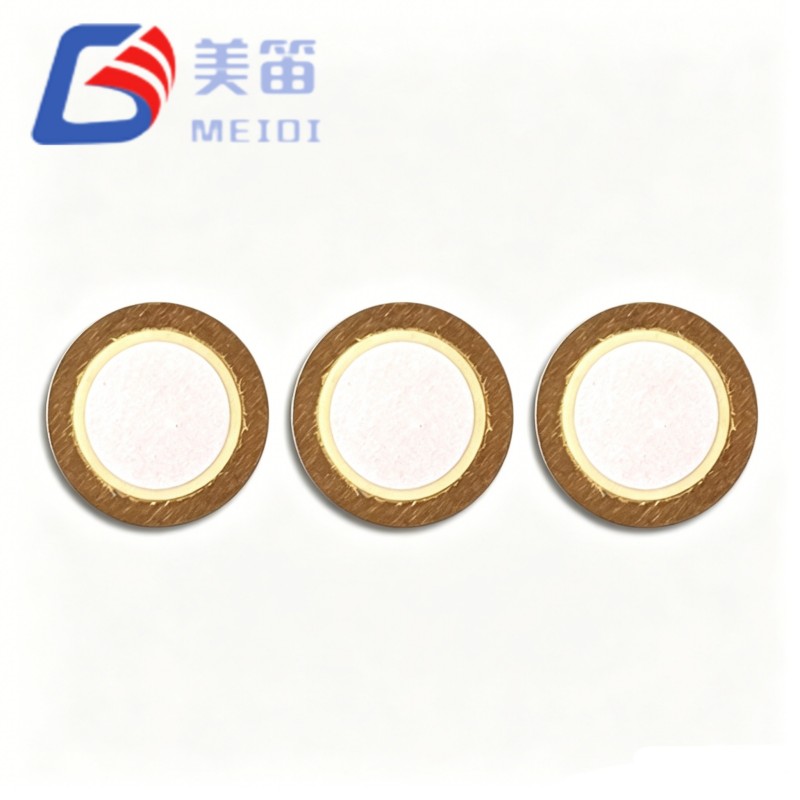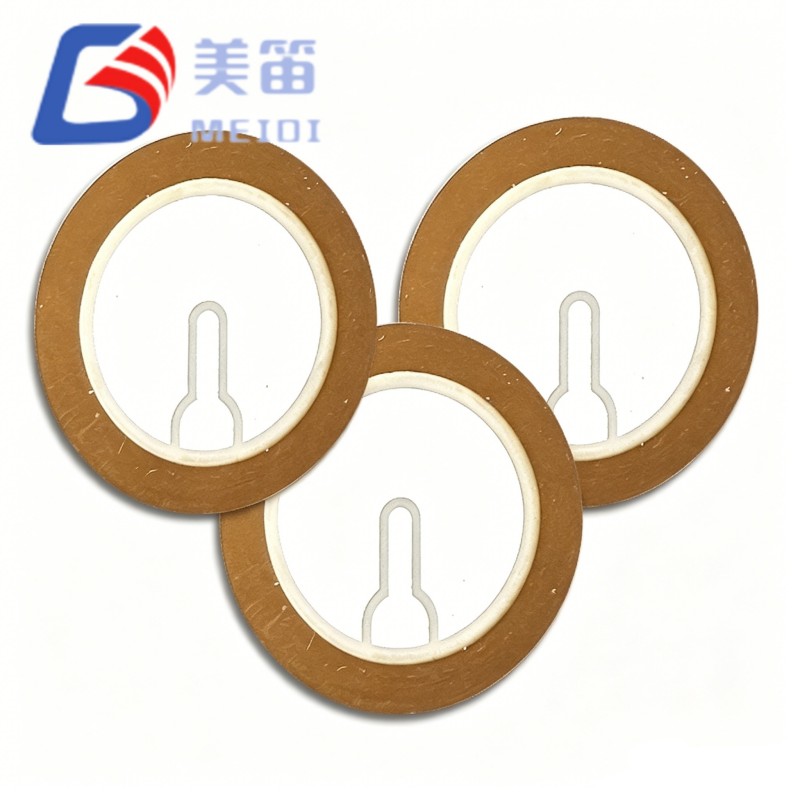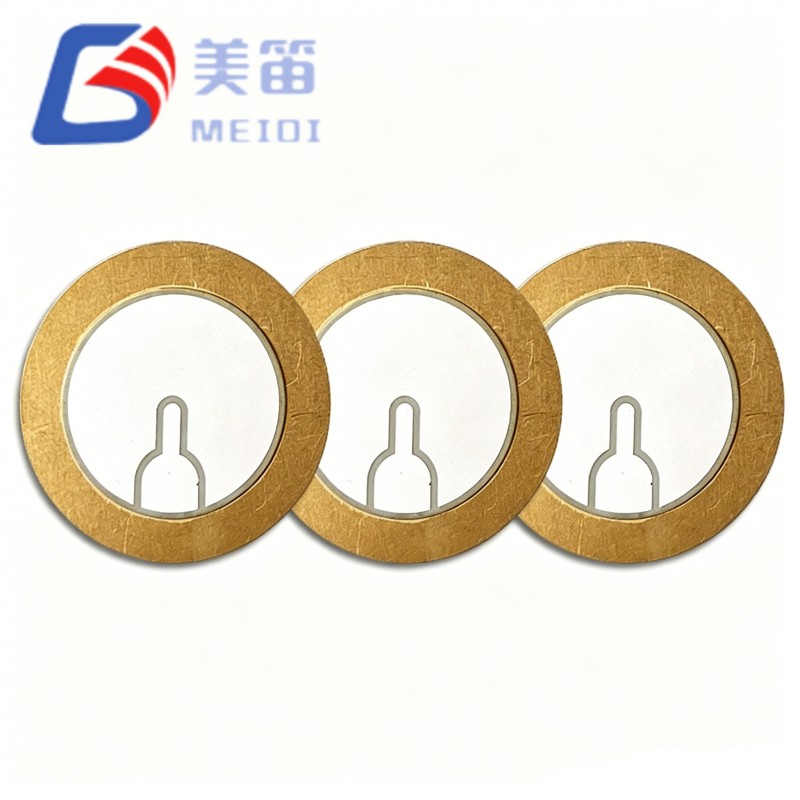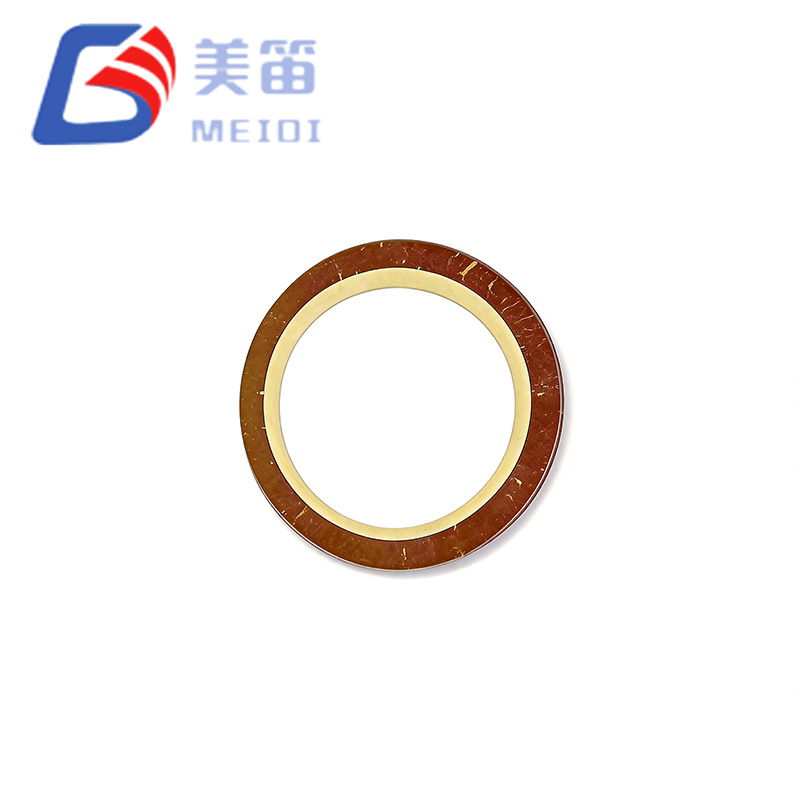
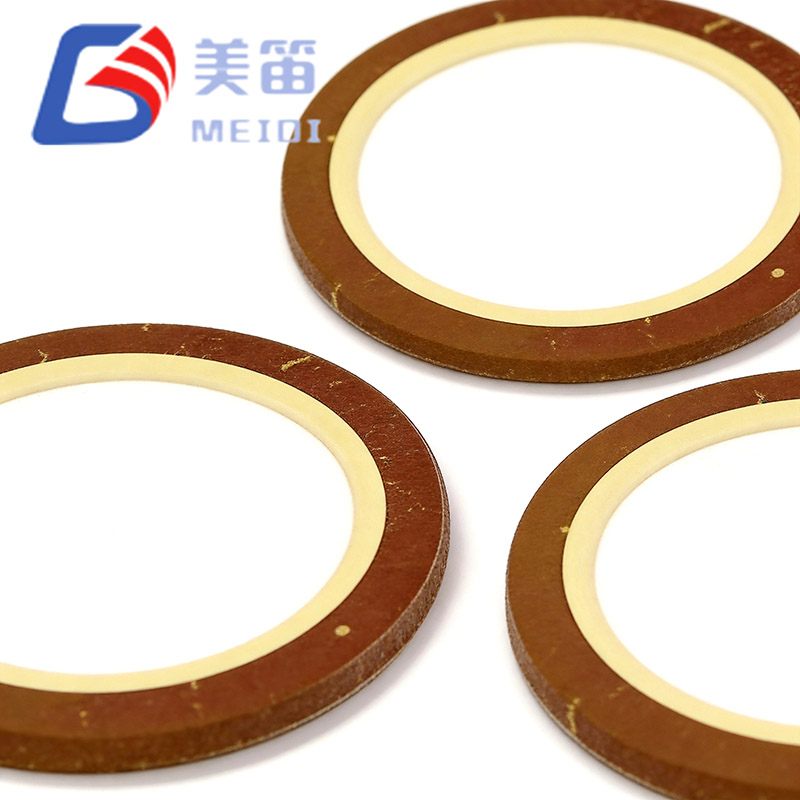
The 11mm Piezo Ceramic Buzzer Element is an ultra‑thin piezoelectric ceramic element built on a brass substrate, designed for acoustic modules where available height is extremely limited. A resonant frequency of 7.8 kHz and a high 12000 pF capacitance allow it to produce a clear alert tone directly from a 3.3 V microcontroller output, while the 0.18 mm profile enables complete acoustic assemblies under 1 mm thick. This combination of compactness, electrical efficiency and mechanical simplicity makes the element a practical choice for wearable devices, portable medical instruments and dense IoT sensor boards.
A resonant frequency of 7.8 kHz sits in a range that is both easily perceived and less likely to be masked by low‑frequency environmental noise, which is useful for indoor consumer and medical products.
At only 0.18 mm thick, the ceramic and substrate stack can be bonded directly to a PCB or a thin metal diaphragm, allowing the entire sound‑generating assembly to stay below 1 mm in height.
The 12000 pF capacitance, measured at 120 Hz, presents a high capacitive load that reduces the voltage swing needed to achieve a given sound pressure level, making direct 3.3 V PWM drive viable.
A brass substrate provides good thermal conductivity, helping to stabilise the resonant frequency during continuous operation and offering a reliable surface for soldering or conductive epoxy attachment.
An equivalent resistance of ≤500 Ω limits mechanical damping, which allows LC resonant boost circuits to reach higher Q factors and generate greater acoustic output from a low supply voltage.
The operating temperature range from -20 °C to +70 °C covers the environments typical of consumer electronics, medical devices and industrial sensors.
| Parameter | Value | Test Conditions |
| Product Type | Piezoelectric Ceramic Element | — |
| Model | FT‑11T‑7.8A1 | — |
| Resonant Frequency | 7.8 ± 1.0 kHz | Free‑air, 25 ℃ |
| Frequency Tolerance | ±12.8 % | Batch consistency |
| Free Capacitance | 12000 ± 30% pF | At 120 Hz, 1Vrms, 25 ℃ |
| Equivalent Resistance | ≤ 500 Ω | At resonant frequency |
| Dielectric Loss (tanδ) | ≤ 5 % | At 120 Hz, 1Vrms |
| Substrate Material | Brass | — |
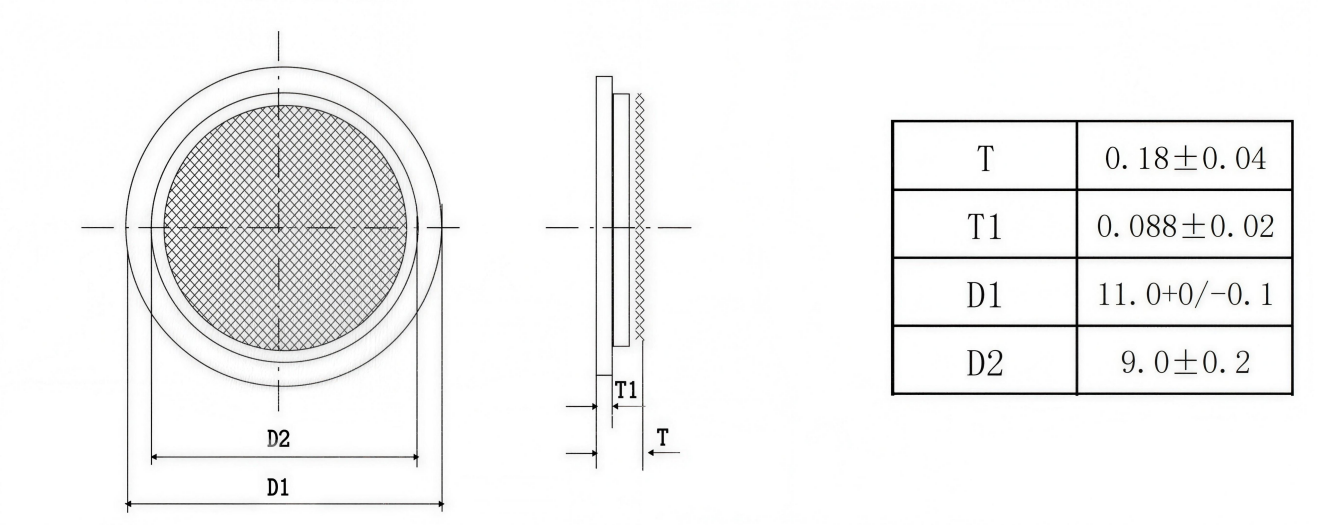
| Ceramic Disc Diameter (D1) | 11.0 +0 / -0.1 mm | — |
| Active Electrode Diameter (D2) | 9.0 ± 0.2 mm | — |
| Total Thickness (T) | 0.18 ± 0.04 mm | Ceramic + substrate |
| Ceramic Thickness (T1) | 0.088 ± 0.02 mm | PZT layer |
| Operating Temperature | -20 ℃ ~ +70 ℃ | Continuous |
| Storage Temperature | -30 ℃ ~ +80 ℃ | Non‑operating |
| Electrode Material | Silver (standard) | Fired silver paste |
| Insulation Resistance | ≥ 100 MΩ (typical) | At 100VDC, 25 ℃ |
| Design Goal | FT‑11T‑7.8A1 Advantage |
| Absolute minimum module height | The 0.18 mm ceramic and substrate stack allows the complete acoustic assembly to fit within a 1 mm envelope. |
| Low‑voltage battery operation | A high 12000 pF capacitance means that a 3.3 V MCU can often drive the element to a usable sound level without an inductor boost stage. |
| Thermal stability in sealed enclosures | Brass efficiently spreads what little heat is generated, keeping the resonant frequency stable during extended activation. |
| Efficient resonant circuit design | ≤500 Ω equivalent resistance keeps damping low, so an LC tank can multiply the drive voltage with minimal loss. |
| Clear alert in quiet indoor spaces | 7.8 kHz is high enough to avoid HVAC and fan noise, yet low enough to be easily heard and located. |
| Cost‑effective high‑volume integration | As a bare element it eliminates the housing and terminals of a packaged buzzer, reducing both part cost and assembly steps. |
Smart wearable devices, including fitness trackers and smartwatches, where the 0.18 mm profile helps maintain a slim overall product thickness while providing clear notification tones.
Portable medical diagnostic tools such as glucose meters, pulse oximeters and digital thermometers, which benefit from a simple, low‑voltage audible indicator that does not add bulk.
IoT sensor nodes, from door/window sensors to water leak detectors, where the element can be driven directly by a 3.3 V MCU and the tone is distinct enough to be noticed in a home environment.
Industrial proximity sensors and small automation panels that need a compact acoustic feedback element compatible with standard SMD and through‑hole assembly processes.
Consumer appliance control boards in products such as microwave ovens, washing machines and induction cooktops, where the bare element can be integrated cost‑effectively into the existing PCB.
Toy and novelty electronics that require a simple, inexpensive sounder for interactive feedback, musical tones or alert sounds.
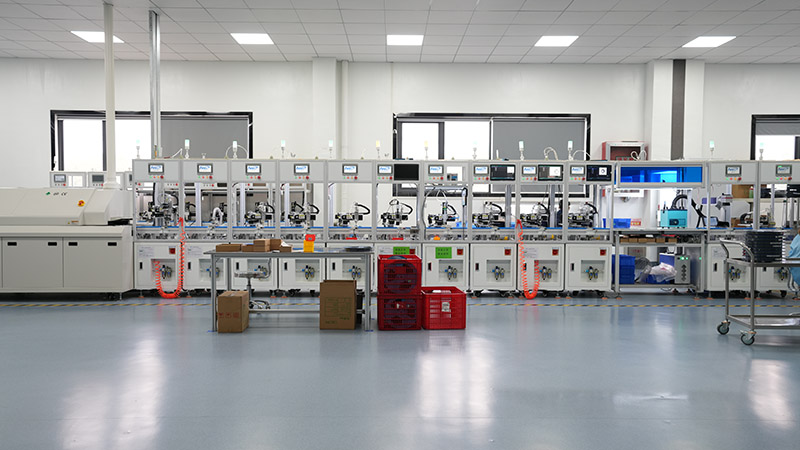
MEIDI Intelligent Technology has been producing piezoelectric ceramic elements for over a decade. The company’s fully integrated facility in Jiangsu, China, covers every stage from ceramic powder preparation and tape casting to electrode firing, polarisation and final electrical testing. Operating under an ISO 9001‑certified quality management system, MEIDI ensures that each production batch is traceable and consistent.
The 11mm Piezo Ceramic Buzzer Element undergoes a comprehensive set of production tests. Every unit is measured for resonant frequency in a free‑air impedance analyser, with the 7.8 ± 1.0 kHz window strictly enforced. Capacitance is verified at 120 Hz and 1 Vrms, equivalent resistance is checked at ≤500 Ω, and dielectric loss is screened to ≤5 %. Dimensional inspections confirm the ceramic diameter, electrode diameter and total thickness. A thermal ageing step at +70 °C for 48 hours validates polarisation stability, while solderability is tested according to J‑STD‑002. A lot code etched on the substrate edge links each part to its manufacturing batch and full test records, which are retained for ten years.
1. What mounting method is recommended for the FT‑11T‑7.8A1?
Conductive silver epoxy is the most common choice for permanent PCB attachment because it avoids the thermal stress that soldering can place on the thin ceramic layer. If a solder connection is preferred, the heat should be applied to the brass substrate edge only, keeping the tip temperature below 280 °C for no more than three seconds. Spring‑contact retention is also used when the element needs to be field‑replaceable.
2. How does the 7.8 kHz tone compare with lower‑frequency buzzers?
At 7.8 kHz, the wavelength is short enough to work efficiently from very small cavities, yet the frequency is still well below the ultrasonic range where directivity becomes extreme and perception drops off. In practice, the tone is clearly audible in a typical room and is not easily confused with mechanical hum from fans or motors.
3. Can the FT‑11T‑7.8A1 be run continuously?
Yes, continuous operation is possible across the full -20 °C to +70 °C range. When driven directly from a 3.3 V GPIO without an LC boost, self‑heating is negligible. At higher drive voltages obtained through resonant boosting, the brass substrate dissipates heat efficiently enough to prevent frequency drift in open or ventilated enclosures. For sealed designs, a reduced duty cycle or lower drive voltage may be advisable; MEIDI can provide lifetime data for specific operating conditions.
4. Are custom electrode patterns or substrate materials available?
Yes. While the standard configuration uses a full‑face silver electrode on a brass disc, MEIDI can supply segmented electrode patterns, alternative diameters, nickel or gold electrode finishes for improved corrosion resistance, and substrates made from stainless steel or phosphor bronze. Custom orders are subject to engineering review, minimum quantities and extended lead times.
5. How does the capacitance tolerance affect the LC resonant boost circuit?
The nominal 12000 pF capacitance is specified at 120 Hz; at 7.8 kHz the effective capacitance drops slightly. For a practical LC boost design, an inductor around 4.7 mH to 10 mH is typically used together with a small parallel capacitor to accommodate the ±30 % tolerance. MEIDI provides the actual measured capacitance of each sample unit, allowing designers to select a precise inductor value for their prototype.
For PCB layout guidance, acoustic cavity design suggestions, LC boost circuit calculations, custom electrode specifications or volume pricing, send your requirements through the contact form. MEIDI applications engineering normally responds within one business day with documentation, simulation models and sample units accompanied by individual test data.
Address
No.6, Wenlin Road, Chenbao Town, Xinghua City, Jiangsu Province, China
Tel