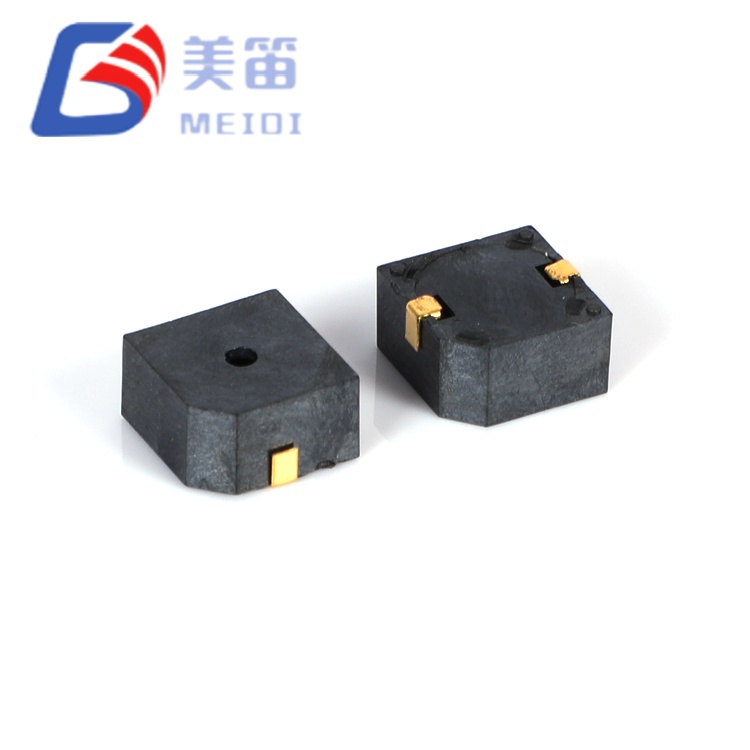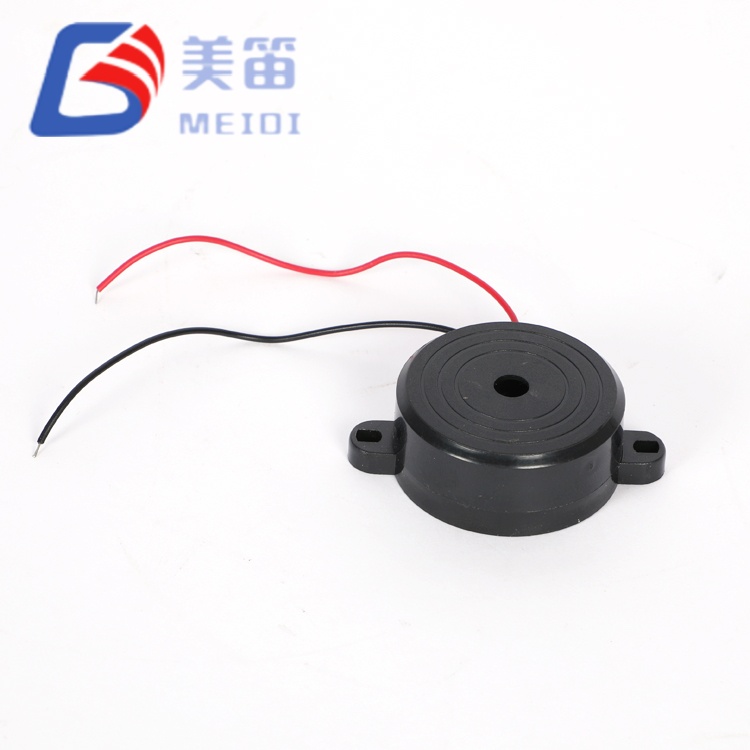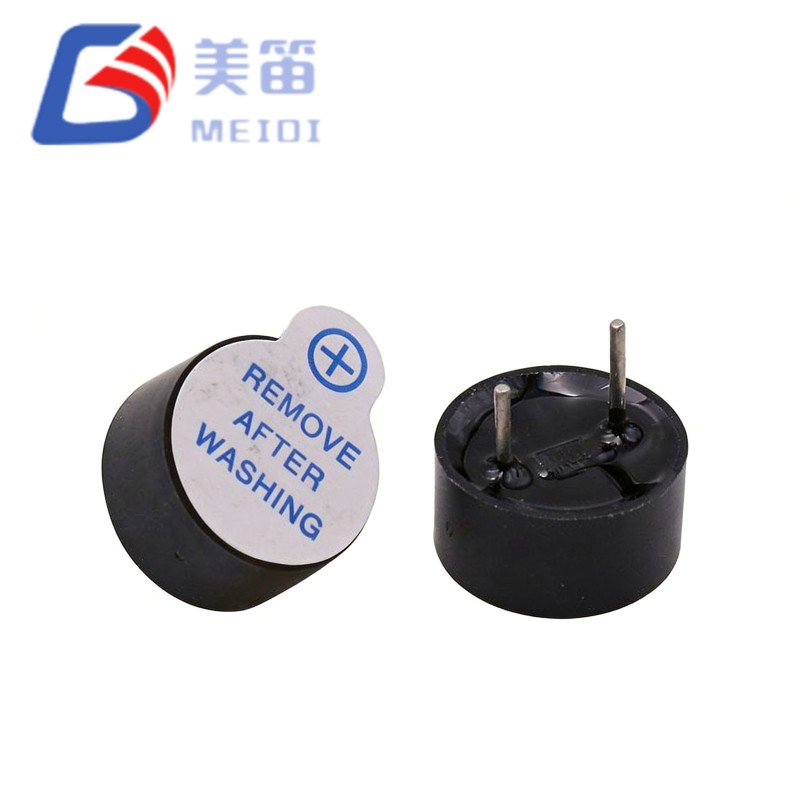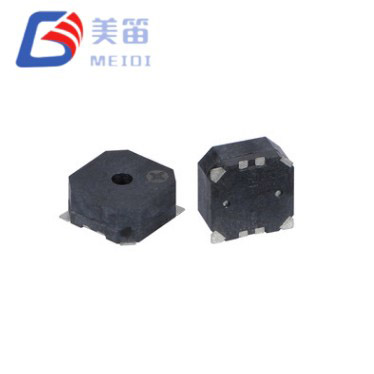
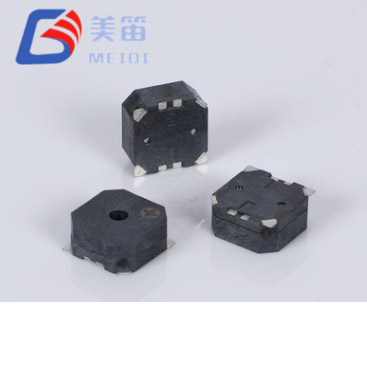
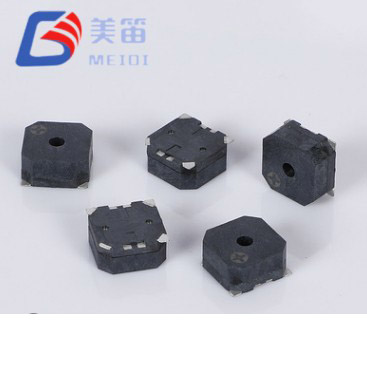
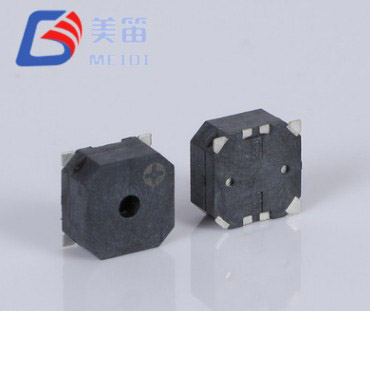
The 5V 2700Hz SMD Magnetic Active Buzzer is an active electromagnetic buzzer packaged for surface‑mount assembly, designed to produce a clear 2700 Hz tone the moment a DC voltage is applied. Because the oscillator and driver stage are integrated into the component, no external PWM signal, microcontroller timer or transistor buffer is needed. This self‑contained architecture reduces both component count and firmware overhead, making the buzzer particularly useful in embedded systems where I/O pins and processing cycles are already committed to other tasks.
A nominal 5 V supply fits standard logic and industrial rails, while the 4 V to 7 V operating window accommodates regulator tolerance and battery discharge curves without performance drift. At the rated voltage the sound pressure level reaches a minimum of 85 dB at 10 cm, a level that maintains audibility across a wide range of ambient noise conditions. With a continuous operating temperature span from −40 °C to +105 °C, the buzzer is suited to enclosures that experience extreme cold starts or prolonged high‑temperature exposure.
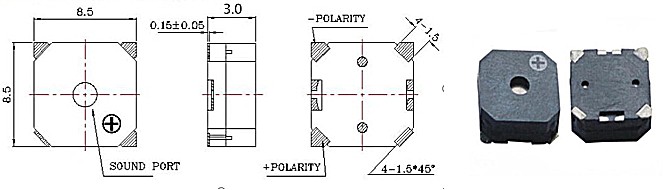
The 12.8 mm square footprint and 6.5 mm height place this component between ultra‑compact SMD buzzers and larger through‑hole alarm devices. Its black LCP housing is compatible with reflow, wave and manual soldering processes, supporting efficient automated assembly. The following sections detail the electrical and mechanical characteristics, reliability testing and typical integration scenarios.
Self‑contained electromagnetic buzzer with integrated oscillator: apply DC, receive immediate 2700 ± 300 Hz tone.
•Active design eliminates the need for an external PWM source, driver IC or timing components; only a DC voltage within the specified range is required
•4–7 V operating range centred at 5 V, covering regulated 5 V rails and typical battery discharge profiles
•≥85 dB sound pressure at 10 cm, the guaranteed minimum output for industrial and safety alert applications
•≤50 mA current consumption at rated voltage, a predictable figure for power budget planning in embedded systems
•12.8 × 12.8 × 6.5 mm SMD footprint, suitable for automated pick‑and‑place and panel‑mounted designs
•Extended operating range from −40 °C to +105 °C, supporting deployment in thermally demanding environments
•Black LCP housing, reflow‑compatible to a peak of 255 ± 5 °C
The integrated oscillator circuit eliminates the need for any external waveform generation. A DC supply connected directly to the terminals, or a logic‑high GPIO output, is all that is required to start the tone. This active topology contrasts with passive magnetic buzzers, which demand a continuous AC drive signal and usually a dedicated driver transistor. By keeping the excitation electronics inside the component, the MLT‑1365Y‑5V reduces bill‑of‑materials count and simplifies PCB layout.
The operating voltage range of 4 V to 7 V is deliberately broader than a single nominal value. It accounts for the output tolerance of 5 V regulators and the voltage droop of discharging batteries, so the acoustic output remains consistent across real‑world supply variations. The resonant frequency is specified as 2700 ± 300 Hz, a band that sits below the 4 kHz common in miniature SMD buzzers. This lower centre frequency can offer a different tonal character and may propagate differently within an enclosure, a factor worth evaluating during prototype testing.
Sound pressure is guaranteed at a minimum of 85 dB at 10 cm under 5 V operation, and the typical current draw stays at or below 50 mA. These figures allow designers to size the power supply and thermal margin accurately. The 2.5 g weight and LCP housing are engineered for standard SMT processes: reflow with a 255 ± 5 °C peak, wave and hand soldering are all supported per the product specification.
The integrated oscillator accepts DC and produces a tone immediately; no microcontroller timer, PWM resource or external transistor is necessary.
A 4–7 V supply window with a 5 V centre covers regulated rails and battery discharge curves without the need for voltage conditioning.
The resonant frequency is fixed at 2700 Hz within a ±300 Hz production tolerance, providing a predictable acoustic signature.
Sound output is guaranteed at ≥85 dB at 10 cm under rated conditions, meeting the audibility demands of industrial and safety alerts.
Current consumption of ≤50 mA allows straightforward power budgeting in embedded designs.
An operating temperature span from −40 °C to +105 °C extends well beyond typical consumer‑grade limits, opening deployment in outdoor, automotive and heavy industrial environments.
The 12.8 mm square SMD footprint with 6.5 mm height and black LCP housing is compatible with multi‑process soldering, including up to three reflow passes.
| Parameter | Value | Test Conditions |
| Product Type | Electromagnetic SMD Active Buzzer | — |
| Rated Voltage | 5 V (Vo‑p) | Nominal |
| Operating Voltage | 4 – 7 V (Vo‑p) | Continuous |
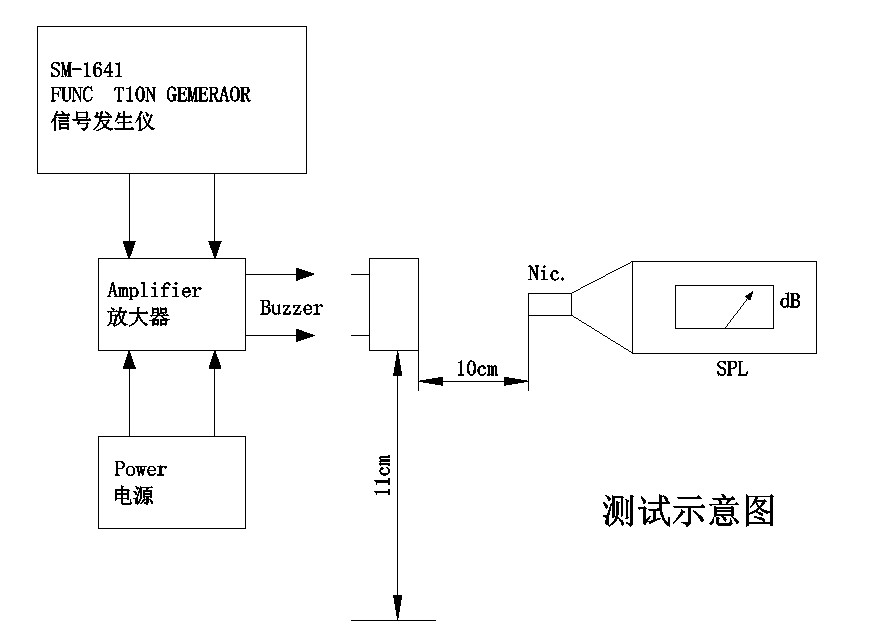
| Sound Output at 10 cm | ≥ 85 dB | At 5V, 10 cm |
| Operating Current | ≤ 50 mA | At 5V |
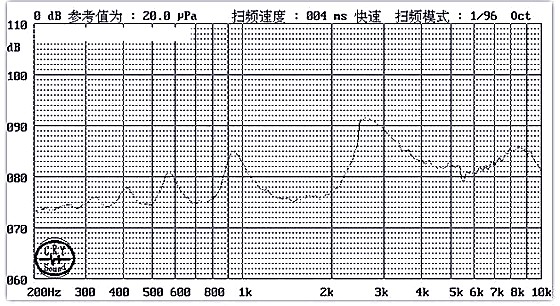
| Resonant Frequency | 2700 ± 300 Hz | At rated voltage |
| Operating Temperature | -40 °C ~ +105 °C | Continuous |
| Storage Temperature | -40 °C ~ +120 °C | Non‑operating |
| Dimensions (L × W × H) | 12.8 × 12.8 × 6.5 mm | Body only |
| Weight | 2.5 g | Typical |
| Housing Material | Black LCP | Reflow compatible |
| Soldering (Recommended) | Reflow: 255 ± 5 °C, 3 s; Preheat 180 °C, 40–70 s | Per specification, up to 3 passes |
| Soldering (Wave) | 255 ± 15 °C, 4–6 s | 2–3 passes |
| Soldering (Manual) | 360 ± 10 °C, 2–5 s | 2–3 passes |
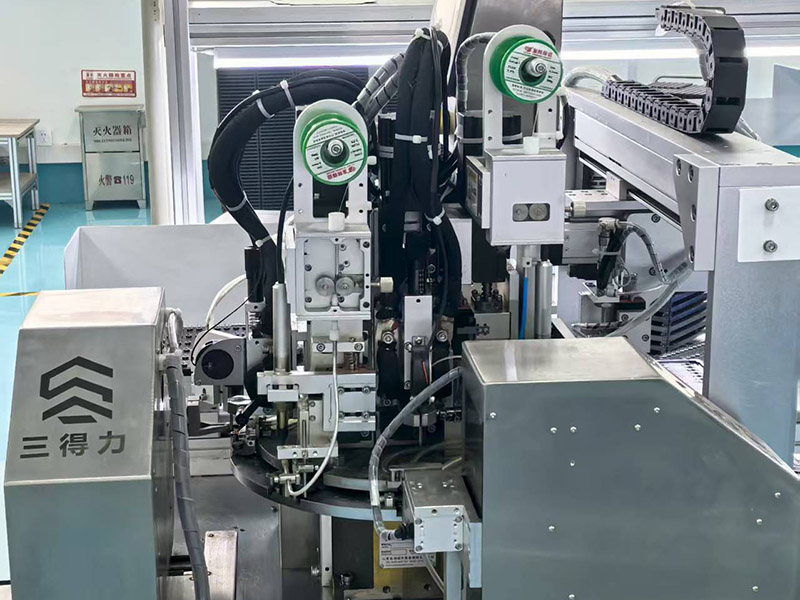
MEIDI Intelligent Technology has been designing and manufacturing acoustic components since 2011. The company’s vertically integrated facility in Jiangsu, China, covers LCP moulding, automated SMD assembly, electromagnetic coil winding and full inline acoustic testing. Operating under an ISO 9001‑certified quality system, the factory supports high‑volume production with batch‑level traceability, enabling consistent delivery to automotive, industrial, security and consumer electronics customers worldwide.
The MLT‑1365Y‑5V is produced under the same manufacturing discipline. Each batch undergoes the following reliability verification, as specified in the product documentation. Environmental stress screening includes a 48‑hour high‑temperature storage at +80 ± 2 °C, a 48‑hour low‑temperature soak at −30 ± 2 °C, and five thermal shock cycles between these extremes with a 30‑minute dwell per stage. Mechanical robustness is validated by vibration testing from 10 Hz to 55 Hz at 1.0 mm amplitude across all three axes, followed by three 75 cm free‑fall drops onto a 10 mm hardwood surface.
Humidity resistance is confirmed by a 48‑hour exposure to 50 ± 5 °C at 90–95 % relative humidity, with a 2‑hour ambient recovery before characterisation. Soldering integrity is verified through a 250 ± 5 °C solder heat resistance test for 10 seconds, with the component body positioned 2.0 mm from the solder point, in addition to full reflow profile testing. All test criteria are documented in the product specification, and batch test reports are available on request. For customers requiring extended qualification beyond these standard protocols, MEIDI’s quality engineering team can discuss additional screening.


The scenarios listed below are derived from the electrical, acoustic and environmental ratings of the MLT‑1365Y‑5V. They are intended as integration guidance and do not imply any pre‑existing safety or regulatory certification; contact MEIDI for compliance confirmation in your target market.
•Industrial control panels: the active design connects directly to PLC outputs or 5 V logic rails, removing the need for PWM generation and saving processor resources for core control tasks.
•Security and access control: intrusion panels, keypads and card readers benefit from the simple two‑wire DC drive and the 85 dB output that cuts through moderate ambient noise.
•Building automation gateways: status change alerts and fault warnings can be implemented with a single GPIO pin, simplifying firmware architecture in HVAC and energy management systems.
•Commercial appliances: timers, cycle‑completion indicators and door‑open alarms on 5 V control boards gain a reliable audio source without additional drive components.
•Telecom infrastructure: outdoor cabinets and network equipment exposed to wide temperature swings are supported by the −40 °C cold‑start capability and the +105 °C upper operating limit.
•Outdoor and thermally variable equipment: enclosures in solar‑powered, cold‑climate or engine‑compartment applications can rely on the extended temperature rating for consistent alert performance.
| Design Consideration | MLT‑1365Y‑5V Specification |
| Eliminate external oscillator circuitry | Integrated drive circuit; applying DC voltage produces the tone without any PWM, MCU timer or transistor driver |
| 5V system compatibility | 4–7V range centred at 5V nominal; operates directly from standard regulated 5V rails |
| Thermally challenging environments | -40 °C to +105 °C operating range per specification |
| Moderate acoustic output requirement | ≥85 dB at 10 cm specified for alert audibility |
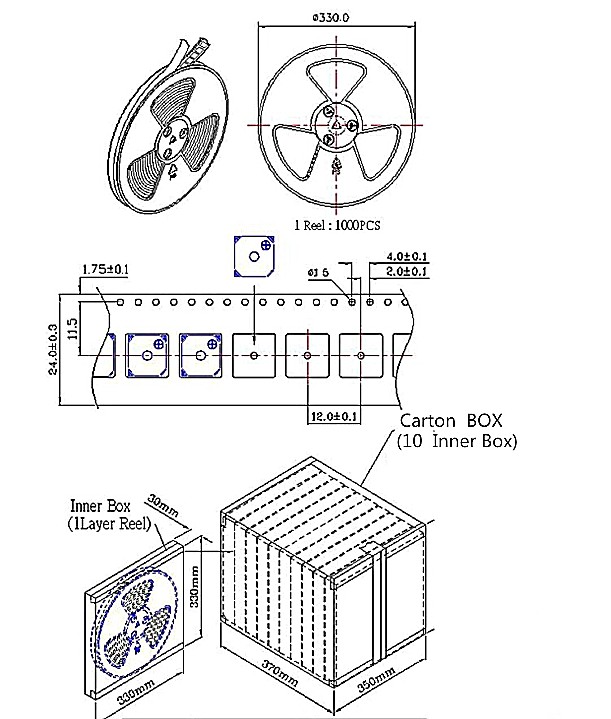
| SMT production efficiency | SMD footprint compatible with tape‑and‑reel feeding and standard reflow profiles |
| Current budget planning | ≤50 mA specified for power supply and thermal design calculations |
The 5V 2700Hz SMD Magnetic Active Buzzer fills a space between very compact SMD buzzers and larger through‑hole alarm units. Its 12.8 mm square footprint is larger than the smallest SMD alternatives, but the active design eliminates the drive circuit complexity typically required by passive transducers. The 6.5 mm height trades vertical space for integrated electronics and robust acoustic output. At 2700 Hz, the resonant frequency is intentionally set below the 4 kHz centre common in miniature devices; this can influence tonal character and may provide better performance in certain enclosure acoustics. Engineers are encouraged to compare the 2.7 kHz tone against higher‑frequency alternatives during prototyping.
Samples are available for bench evaluation so that you can measure acoustic output, current consumption and thermal behaviour under your specific drive and environmental conditions.
1. Does the MLT‑1365Y‑5V require an external oscillator or driver circuit?
No. The buzzer is active, with an oscillator and driver integrated into the component. A DC voltage applied within the 4–7 V range produces a 2700 ± 300 Hz tone directly. No external PWM signal, microcontroller timer or transistor is needed. A simple logic‑high GPIO output, a relay contact closure, or a direct connection to a DC rail is sufficient to activate the sound.
2. What is the difference between this active buzzer and a passive electromagnetic buzzer?
A passive electromagnetic buzzer contains a coil and diaphragm but lacks drive electronics; it must be fed an AC signal at the resonant frequency, typically from a PWM output and a transistor buffer. The MLT‑1365Y‑5V incorporates all necessary drive circuitry, so it works with a steady DC voltage. This approach saves I/O pins, firmware overhead and PCB space, at the cost of a slightly larger package and a fixed frequency.
3. How does the 2700 Hz frequency compare to 4000 Hz buzzers?
The 2700 ± 300 Hz centre frequency is lower than the 4 kHz standard found in many miniature SMD buzzers. Both frequencies are within the range of good human hearing sensitivity. The lower pitch may offer different tonal character and could propagate differently through enclosure materials and background noise spectra. The best choice depends on the acoustic environment, alert discrimination needs and user preference; prototype testing is recommended.
4. Can the buzzer operate continuously at +105 °C?
The +105 °C figure represents the upper limit of the specified operating range. Continuous operation at this temperature is within specification, but like all electronic components, prolonged exposure to high temperatures accelerates ageing. For applications requiring sustained operation near the limit, contact MEIDI for derating advice and expected lifetime data under your thermal profile.
5. What drive circuit is recommended for microcontroller integration?
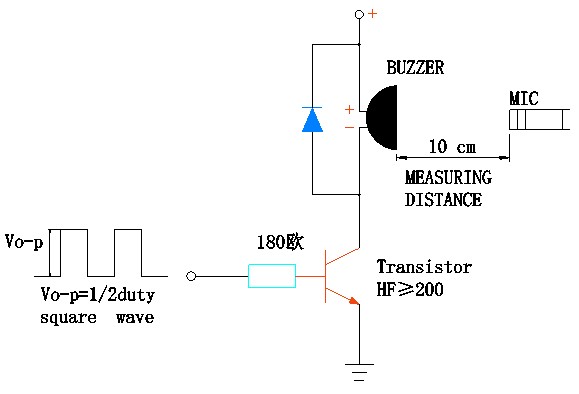
The MLT‑1365Y‑5V needs only a DC voltage source in the 4–7 V range. If a 5 V microcontroller GPIO can source ≤50 mA, the buzzer can be connected directly. When the GPIO current capability is lower, a logic‑level N‑channel MOSFET or NPN transistor used as a low‑side switch is the typical solution. The buzzer contains internal drive electronics, so no series current‑limiting resistor is required on the power line. Ensure the supply voltage never exceeds 7 V to protect the internal oscillator circuit.
For technical datasheets, voltage‑specific acoustic characterisation, thermal derating data, drive circuit application notes or OEM customisation discussions, submit your requirements through the contact form. MEIDI applications engineering typically responds within one business day with documentation and volume pricing.
MEIDI Intelligent Technology has been supplying piezoelectric and electromagnetic acoustic components since 2011. The company’s manufacturing operation in Jiangsu integrates LCP moulding, automated coil winding, SMD assembly and 100 % inline acoustic testing. ISO 9001 processes and a dedicated reliability laboratory support the performance guarantees published for each product. Customers in automotive, industrial, security and consumer markets rely on MEIDI for consistent quality and responsive engineering support.
Address
No.6, Wenlin Road, Chenbao Town, Xinghua City, Jiangsu Province, China
Tel